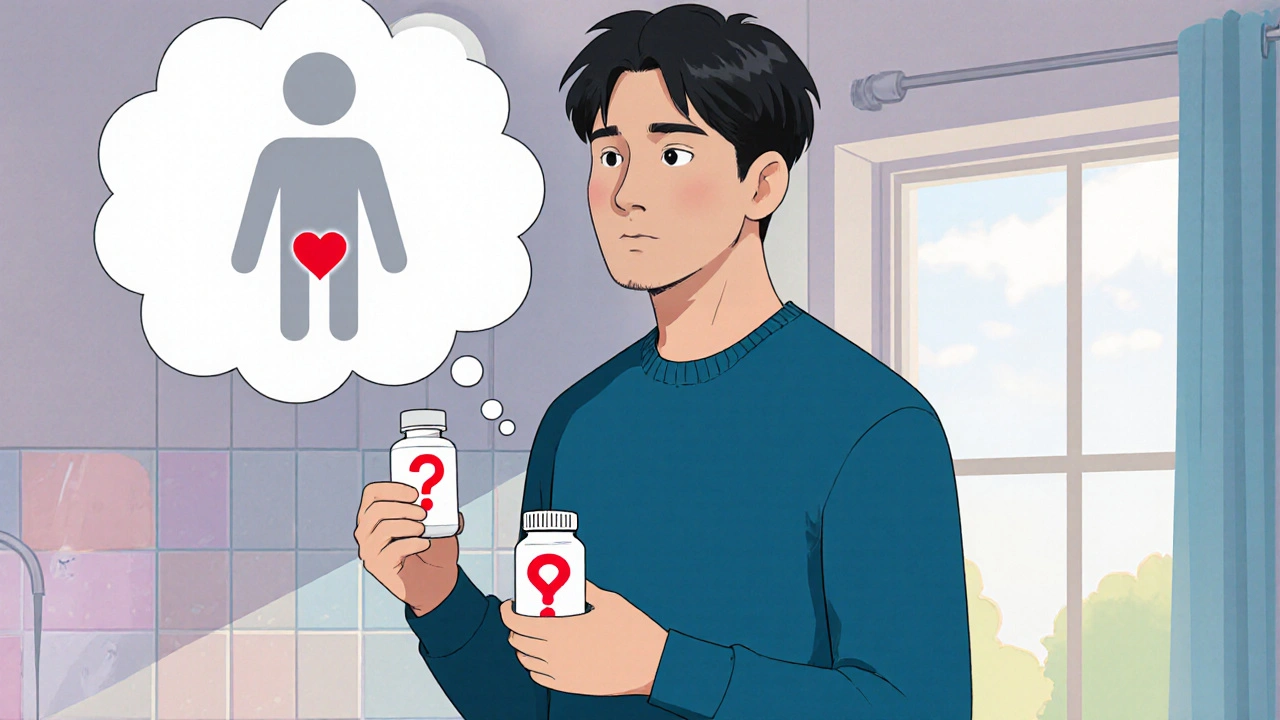
People taking cholesterol‑lowering drugs often wonder whether their medication could be messing with their sex life. atorvastatin is one of the most widely prescribed statins, but reports of erectile dysfunction (ED) have sparked a lot of questions. This article breaks down what atorvastatin does, how erectile function works, and what the latest research says about a connection between the two.
What Is Atorvastatin and How Does It Work?
Atorvastatin is a synthetic HMG‑CoA reductase inhibitor that reduces low‑density lipoprotein (LDL) cholesterol by blocking the enzyme responsible for cholesterol synthesis in the liver. By lowering LDL, atorvastatin helps prevent atherosclerosis, heart attacks, and strokes. It’s typically prescribed at 10-80 mg daily, depending on the patient’s risk profile.
Aside from cholesterol reduction, atorvastatin also modestly improves endothelial function and stabilizes plaque, which are beneficial for cardiovascular health.
Understanding Erectile Dysfunction
Erectile Dysfunction is the persistent inability to achieve or maintain an erection sufficient for satisfactory sexual performance. It’s not just a “performance” problem; the condition often signals underlying vascular, hormonal, or neurological issues.
Key players in erection physiology include nitric oxide (NO), smooth‑muscle relaxation in the corpora cavernosa, and adequate blood flow. Disruptions in any of these pathways-whether from diabetes, high blood pressure, or medication side effects-can lead to ED.
Why People Suspect a Link
Statins, including atorvastatin, have a reputation for causing muscle aches, liver enzyme changes, and rare cases of liver injury. Because erectile function depends heavily on vascular health, any drug that influences blood flow or hormone levels naturally raises eyebrows.
Online forums and patient anecdotes often cite sudden loss of libido or difficulty maintaining erections after starting a statin. While anecdotal evidence is useful for hypothesis generation, we need solid clinical data to confirm causality.
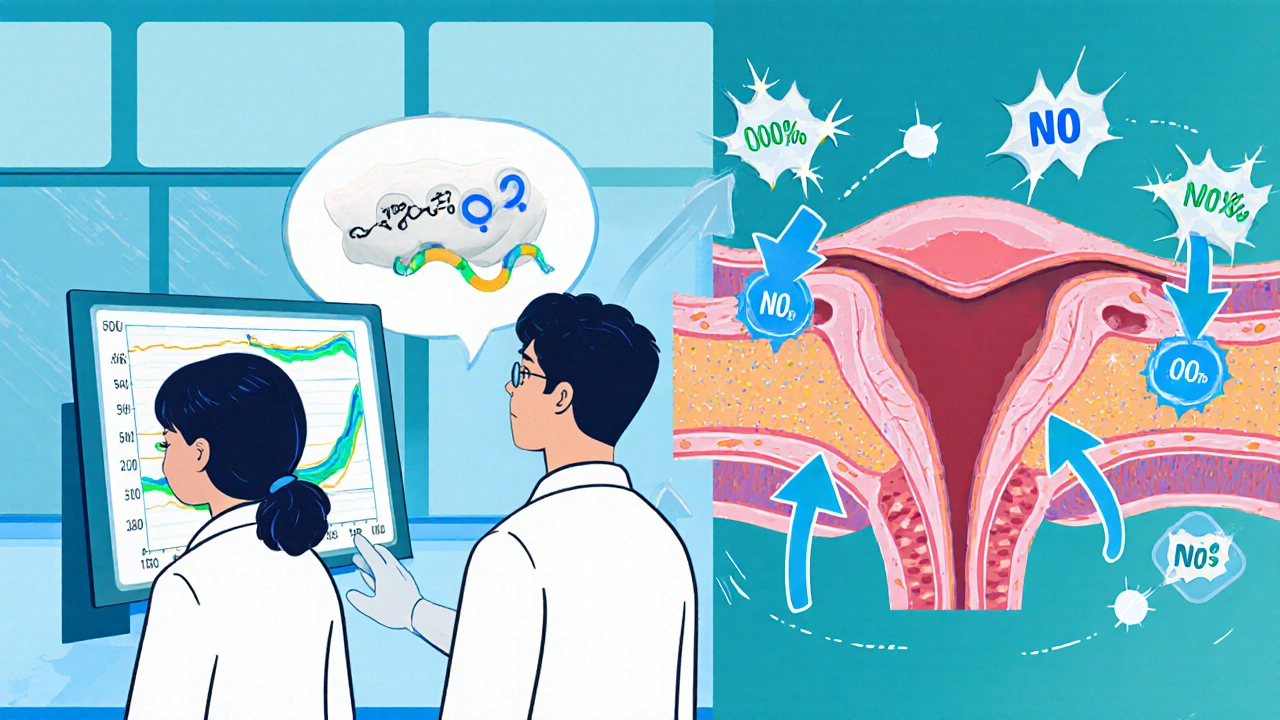
Clinical Evidence: What Do Studies Show?
Researchers have examined the atorvastatin‑ED relationship in several settings:
| Study | Design | Participants | Result |
|---|---|---|---|
| JAMA Cardiology 2022 | Prospective cohort | 2,500 men, mean age 58 | No increase in ED risk after adjusting for comorbidities |
| European Journal of Internal Medicine 2021 | Randomised, double‑blind | 300 men with hyperlipidaemia | Small, non‑significant rise in IIEF‑5 score (p=0.08) |
| BMJ Open 2020 | Cross‑sectional survey | 1,200 statin users | Self‑reported ED 12% higher in atorvastatin group vs. non‑statin group |
Overall, the highest‑quality data (large prospective cohorts) do not find a statistically significant link, while smaller trials and surveys suggest a modest increase that could be explained by confounding factors such as age, diabetes, or hypertension.
Possible Biological Mechanisms
- Nitric Oxide Pathway: Statins can increase endothelial NO synthase activity, theoretically improving blood flow. Some researchers argue the opposite, proposing that excessive cholesterol lowering may impair membrane fluidity, affecting NO production.
- Hormonal Effects: A few small studies observed slight reductions in testosterone levels with high‑dose statins, though the changes were within normal ranges and often reversed after discontinuation.
- Muscle‑related Side Effects: Myopathy can cause fatigue and reduced physical activity, indirectly influencing sexual performance.
- Psychological Factors: Knowing you’re on a “strong” medication can create anxiety, which in itself can trigger ED.
None of these mechanisms have been definitively proven, but they illustrate why the relationship is biologically plausible, even if the effect size is small.
Who Is Most at Risk?
Even if atorvastatin contributes to erectile issues, the risk is not uniform. Patients with the following characteristics should be especially vigilant:
- Pre‑existing cardiovascular disease (already compromises penile blood flow).
- Diabetes mellitus or uncontrolled blood sugar.
- High blood pressure that is poorly managed.
- Concurrent use of other drugs that affect sexual function (e.g., certain antihypertensives, antidepressants).
- Age over 60, where baseline ED prevalence rises sharply.
In younger, otherwise healthy men, the odds of developing new‑onset ED from atorvastatin alone appear very low.
What to Do If You Notice Changes
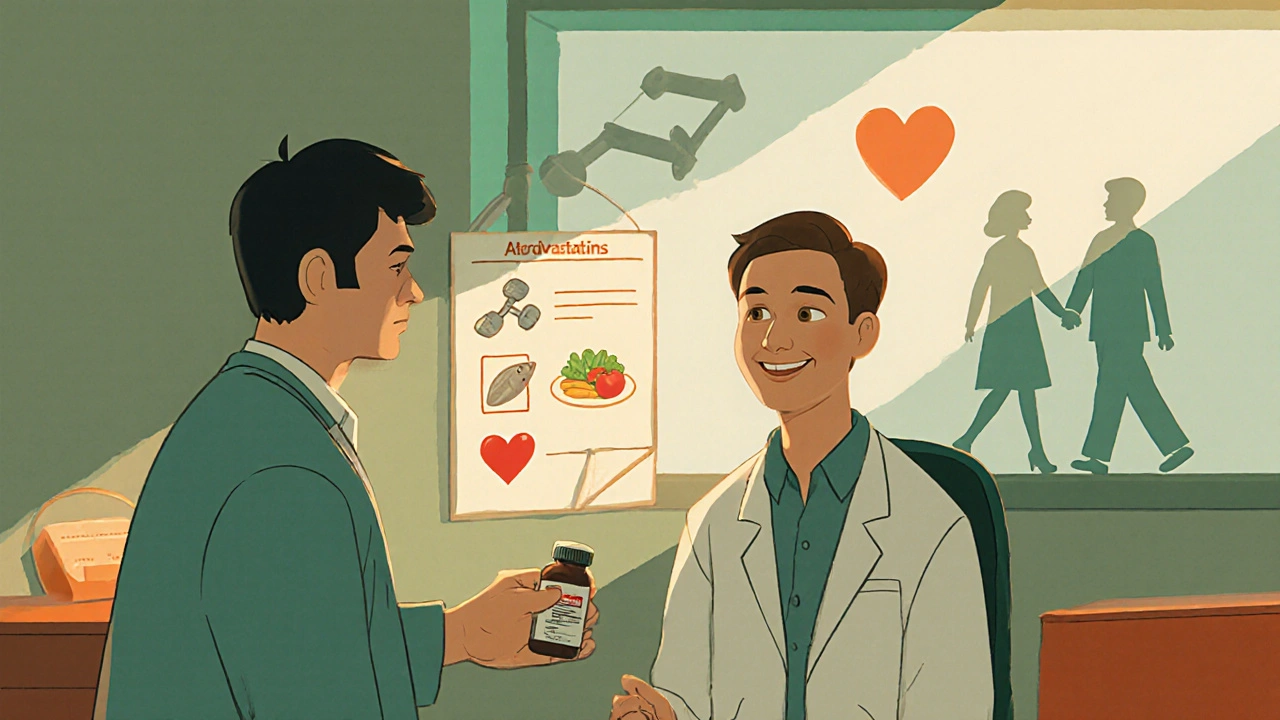
Finding a new problem after starting any medication can be unsettling. Here’s a practical checklist:
- Don’t stop abruptly. Suddenly quitting atorvastatin raises the risk of cardiovascular events.
- Talk to your prescriber. They may lower the dose, switch to another statin, or add a non‑statin lipid‑lowering agent like ezetimibe.
- Screen for other causes. Blood tests for testosterone, HbA1c, and lipid profile can help rule out metabolic contributors.
- Lifestyle tweaks. Regular exercise, weight management, and a Mediterranean‑style diet support both heart health and erectile function.
- Consider targeted therapy. Phosphodiesterase‑5 inhibitors (Viagra, Cialis) are safe for most men on statins, but discuss drug interactions with your doctor.
Most clinicians agree that the cardiovascular benefits of atorvastatin far outweigh the modest, if any, increase in ED risk. Nonetheless, personal wellbeing matters, so an informed decision is key.
Bottom Line
Current evidence suggests that atorvastatin does not pose a major threat to erectile health. Small increases in self‑reported ED have been noted in some studies, but they often disappear after adjusting for age, diabetes, and hypertension. If you experience symptoms, the first step is not to stop the medication but to discuss the issue with your healthcare provider.
By keeping a close eye on overall cardiovascular risk factors, maintaining a healthy lifestyle, and staying open about sexual concerns, you can enjoy the heart‑protective benefits of atorvastatin without compromising your sexual well‑being.
Frequently Asked Questions
Can atorvastatin cause erectile dysfunction?
Most high‑quality studies find no significant increase in ED risk. Small, uncontrolled surveys have reported a slight rise, but the effect is likely due to other health factors.
How long does it take for any side effect to appear?
If a side effect is going to happen, it usually shows up within the first few weeks of therapy, though some men notice changes after several months.
Should I switch to a different statin?
Only if your doctor recommends it. Some patients tolerate pravastatin or rosuvastatin better, but the overall impact on ED is similar across statins.
Are there non‑statin options for lowering cholesterol?
Yes. Ezetimibe, PCSK9 inhibitors, and dietary changes can lower LDL without using a statin, though they may be more expensive or require injections.
Can lifestyle changes improve both cholesterol and erectile function?
Absolutely. Regular aerobic exercise, weight loss, smoking cessation, and a diet rich in fruits, vegetables, and omega‑3 fatty acids benefit heart health and boost nitric oxide production, which helps erections.

Ian Glover
My name is Maxwell Harrington and I am an expert in pharmaceuticals. I have dedicated my life to researching and understanding medications and their impact on various diseases. I am passionate about sharing my knowledge with others, which is why I enjoy writing about medications, diseases, and supplements to help educate and inform the public. My work has been published in various medical journals and blogs, and I'm always looking for new opportunities to share my expertise. In addition to writing, I also enjoy speaking at conferences and events to help further the understanding of pharmaceuticals in the medical field.
13 Comments
-
Zaria Williams
October 29, 2025 AT 02:06People always jump to conclusions when they read about a “possible link” between meds and bedroom performance. The thing is that many men already have risk factors for ED before they ever start a statin. A quick glance at the JAMA Cardiology study shows no real increase in risk, but those headlines keep screaming “statins cause ED” like it’s a fact. I’ve seen friends who switched off atorvastatin and felt nothing changed – maybe the anxiety was the real culprit. Others say they felt a drop in libido and blame the pill without checking their sugar or blood pressure. Bottom line, don’t let a single online forum dictate your health decisions and definately don’t forget to reciev proper screening.
-
Abhinav B.
November 2, 2025 AT 17:13Look, the data is clear – statins don’t “mess up” erections, so stop blaming the drug and get your health cheked already.
-
Abby W
November 7, 2025 AT 08:20Wow, this is such a hot topic 😅. I’ve actually talked to my partner about statins and we both noticed a tiny dip in mood, not exactly a full‑blown ED crisis. It’s weird how a pill for your heart can make you think about bedroom vibes. Anyway, just wanted to drop my two cents and say keep the convo going! 👍
-
Lisa Woodcock
November 11, 2025 AT 23:26I hear you, Abby. It can feel unsettling when a medication touches on such personal territory, and being open with your partner is a great step. Staying on top of both heart health and intimacy often means regular check‑ups and honest chats. If anything changes, a quick visit to the doctor can clear up whether it’s the statin or something else.
-
Sarah Keller
November 16, 2025 AT 14:33The relationship between cholesterol management and sexual function is a microcosm of how we balance risk and reward in modern medicine.
When we prescribe a drug that saves lives, we inevitably invite scrutiny into every peripheral effect it might have.
That scrutiny should be rooted in evidence, not in fear‑driven anecdotes that spread like wildfire on social media.
The high‑quality cohort studies cited in the article demonstrate that atorvastatin, when used appropriately, does not statistically increase the incidence of erectile dysfunction.
Yet, the human experience is richer than numbers; a patient who feels a loss of libido may interpret that feeling as a direct consequence of the medication, regardless of the underlying physiology.
This perception can create a self‑fulfilling prophecy, where anxiety alone dampens the neurovascular cascade essential for an erection.
Therefore, clinicians must adopt a dual‑track approach: continue to prescribe statins for their undeniable cardiovascular benefits while simultaneously addressing the psychosocial dimensions of sexual health.
A thorough baseline assessment of erectile function before initiating therapy can serve as a valuable reference point.
If changes arise, adjusting the dosage, switching to a different statin, or adding a non‑statin lipid‑lowering agent provides tangible alternatives without compromising heart protection.
Moreover, lifestyle interventions-regular aerobic exercise, a balanced Mediterranean diet, and stress reduction-bolster both endothelial health and nitric oxide availability, creating a synergistic effect.
We should also recognize that men with pre‑existing vascular disease are naturally at higher risk for ED, and the marginal impact of a statin becomes clinically negligible in that context.
In contrast, younger, metabolically healthy individuals can safely continue therapy while monitoring any subjective changes.
The conversation must remain patient‑centered, encouraging open dialogue rather than premature drug cessation.
By framing the discussion around empowerment rather than alarm, we empower patients to make informed choices.
Ultimately, the goal is not to eliminate every possible side effect but to weigh each against the life‑saving potential of the medication.
In that balanced view, atorvastatin remains a cornerstone of cardiovascular prevention, and its modest, if any, effect on erectile function should be managed with compassion and scientific rigor. -
Grace Silver
November 21, 2025 AT 05:40It’s a solid point that we need to see the bigger picture and not get lost in isolated fears the data really backs the safety for most men and lifestyle tweaks add a lot of value
-
Clinton Papenfus
November 25, 2025 AT 20:46Esteemed colleagues the prevailing literature indicates no significant correlation between atorvastatin administration and the incidence of erectile dysfunction therefore the therapeutic advantages for cardiovascular risk mitigation remain unequivocally paramount
-
krishna chegireddy
November 30, 2025 AT 11:53Surely the “no link” claim is a crafted narrative fed to us by big pharma they want us to ignore any discomfort so they can keep selling pills The truth is hidden behind glossy journals while ordinary patients suffer in silence It’s not a coincidence that the one study showing a rise in ED was buried deep in a pay‑walled site We must question who profits when we accept the official story
-
Shannon Stoneburgh
December 5, 2025 AT 03:00The article cherry‑picks studies and downplays the real‑world reports of men noticing a drop in performance after starting atorvastatin. This bias is unacceptable.
-
Nathan Comstock
December 9, 2025 AT 18:06America’s health depends on strong hearts not on whining about bedroom issues. If you’re going to protest a life‑saving drug you’re betraying the nation’s fight against heart disease.
-
Terell Moore
December 14, 2025 AT 09:13Oh brilliant, another “expert” tells us that statins are harmless while ignoring the anecdotal cries of millions – truly a masterclass in selective blindness.
-
Amber Lintner
December 19, 2025 AT 00:20What a drama! The truth is that every medication has a shadow side and pretending otherwise is pure theatrical nonsense.


Write a comment
More Articles
Diabetes Combination Medications: Generic Options and Substitution Guide
Learn about generic diabetes combination medications, which ones are available, how they compare to brand names, and when switching is safe-or risky. Save money without risking your blood sugar control.
Renal Ultrasound and Imaging: Evaluating Obstruction and Size
Renal ultrasound is the safest, most widely used first-line tool for evaluating kidney obstruction and size. It detects hydronephrosis, measures kidney length and blood flow, and avoids radiation - making it ideal for kids, pregnant patients, and repeat monitoring.

Veronica Appleton
October 24, 2025 AT 18:56Statins help the heart and usually don’t mess with sex