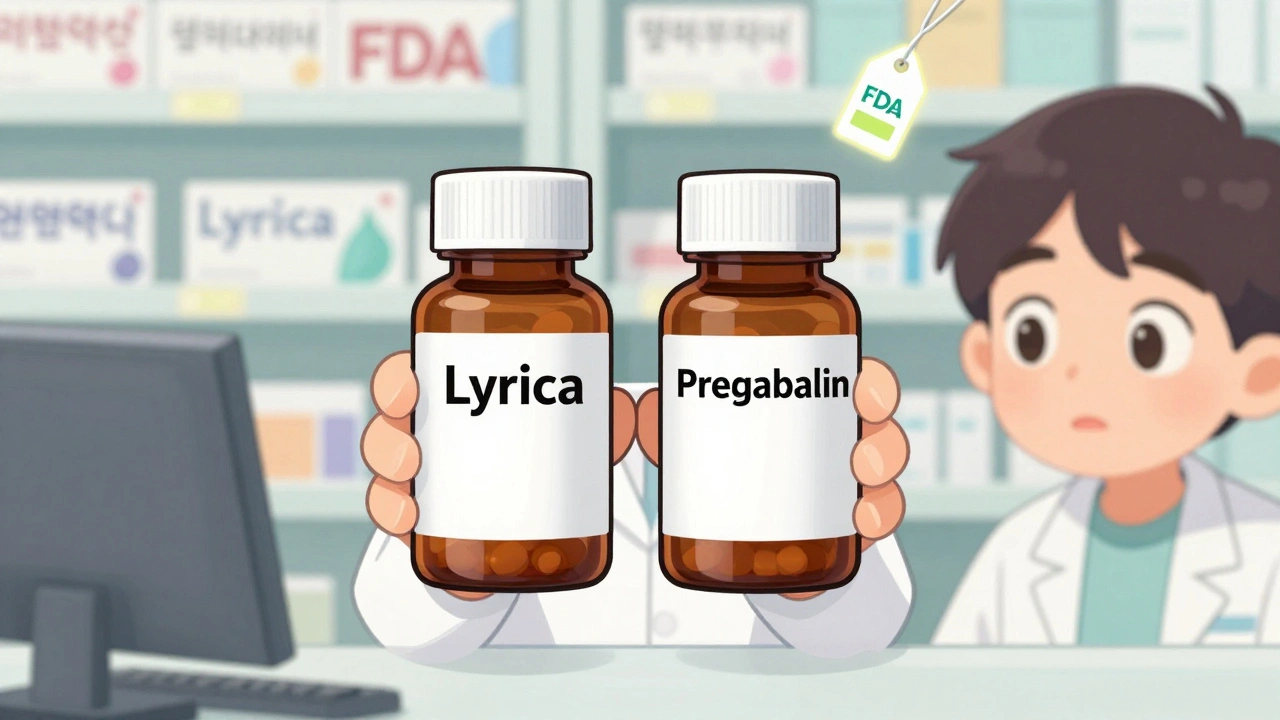
When a brand-name drug loses patent protection, patients and pharmacists often expect a flood of cheap generic alternatives. But sometimes, the first generic you see isn’t a typical generic at all-it’s an authorized generic. These are exact copies of the brand drug, made by the same company, just sold under a different label. They’re not cheaper than the brand at first, but they’re identical in every way. And right now, the number of these drugs hitting the market is dropping-not rising.
What Exactly Is an Authorized Generic?
An authorized generic is not a separate drug. It’s the exact same pill, capsule, or injection as the brand-name version, made in the same factory, with the same active and inactive ingredients. The only difference? The label. Instead of saying "Lyrica" or "Xgeva," it might say "Pregabalin" or "Denosumab" with a different company name on the box. The FDA defines it clearly: it’s a listed drug approved under a New Drug Application (NDA) that’s sold under a different trade name or packaging.
Unlike regular generics-which must prove they’re bioequivalent through an Abbreviated New Drug Application (ANDA)-authorized generics skip all that. They’re not "similar" to the brand. They are the brand, just rebranded. That’s why pharmacists and doctors trust them. If your patient was stable on the brand, switching to an authorized generic won’t cause side effects from different fillers or coatings. A 2024 JAMA study found patients stayed on authorized generics 15-20% longer than traditional generics, mostly because doctors didn’t worry about effectiveness.
Why Are There So Few New Ones in 2025?
Back in 2022, there were 37 new authorized generics approved. In 2025? Only 12. That’s a 68% drop in just three years.
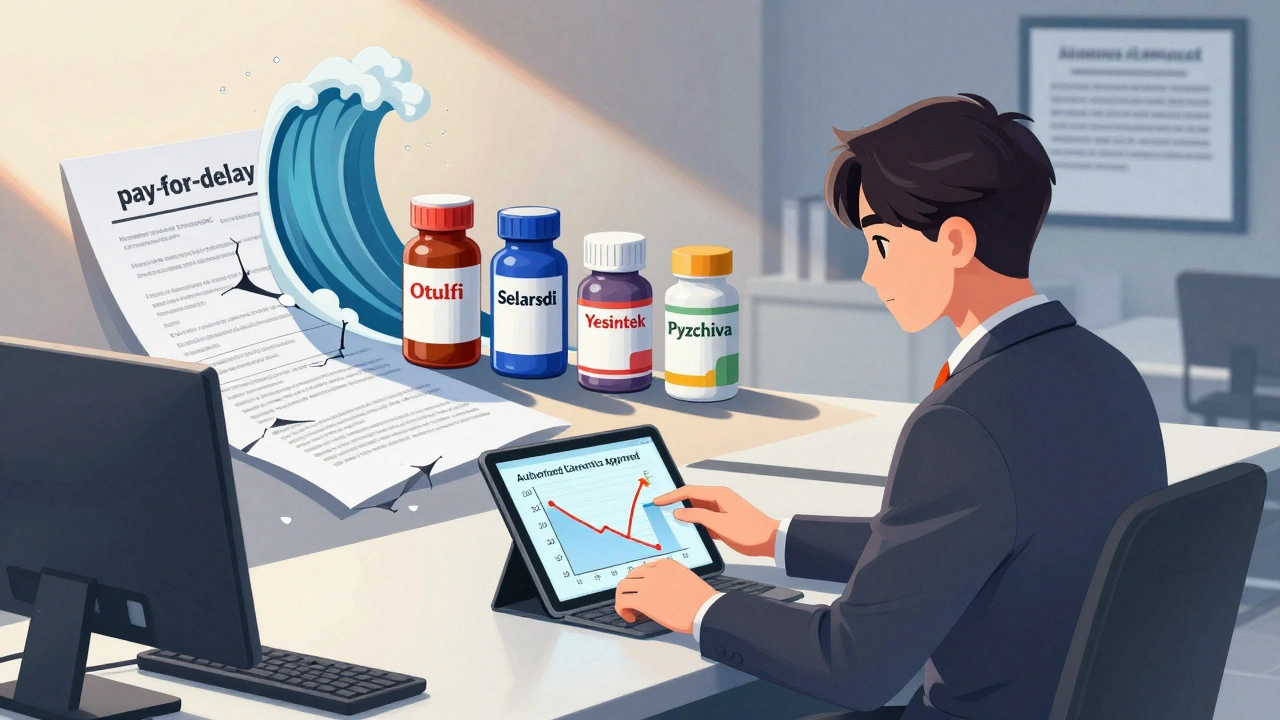
The reason isn’t lack of demand. It’s regulatory pressure. The Federal Trade Commission (FTC) has cracked down on what’s called "pay-for-delay" deals-where brand companies pay generic makers to delay entry. One big example: Teva paid to block generic versions of Copaxone, and in 2023, the FTC forced them to pay $1.2 billion. Since then, brand companies have gotten smarter. Instead of launching their own authorized generics to undercut competitors, they’re shifting to biosimilars.
Take Stelara (ustekinumab). In 2025, five biosimilars were approved: Otulfi, Selarsdi, Yesintek, Pyzchiva, and another. These aren’t authorized generics. They’re made by different companies, have different names, and go through their own approval process. But they’re cheaper, and they don’t trigger FTC scrutiny the way authorized generics do. So brand companies are betting on biosimilars instead.
What Authorized Generics Are Available Right Now?
The FDA’s latest list, updated October 10, 2025, added only two new authorized generics:
- Sodium oxybate (formerly Xyrem), now sold under a different label by Jazz Pharmaceuticals
- Plecanatide (formerly Trulance), distributed by Ironwood Pharmaceuticals under a generic name
These are exceptions. Most authorized generics on the market today have been around for years. You’ll find them for drugs like:
- Simvastatin (Zocor)
- Fluticasone/salmeterol (Advair)
- Metoprolol succinate (Toprol XL)
- Pregabalin (Lyrica)
- Sertraline (Zoloft)
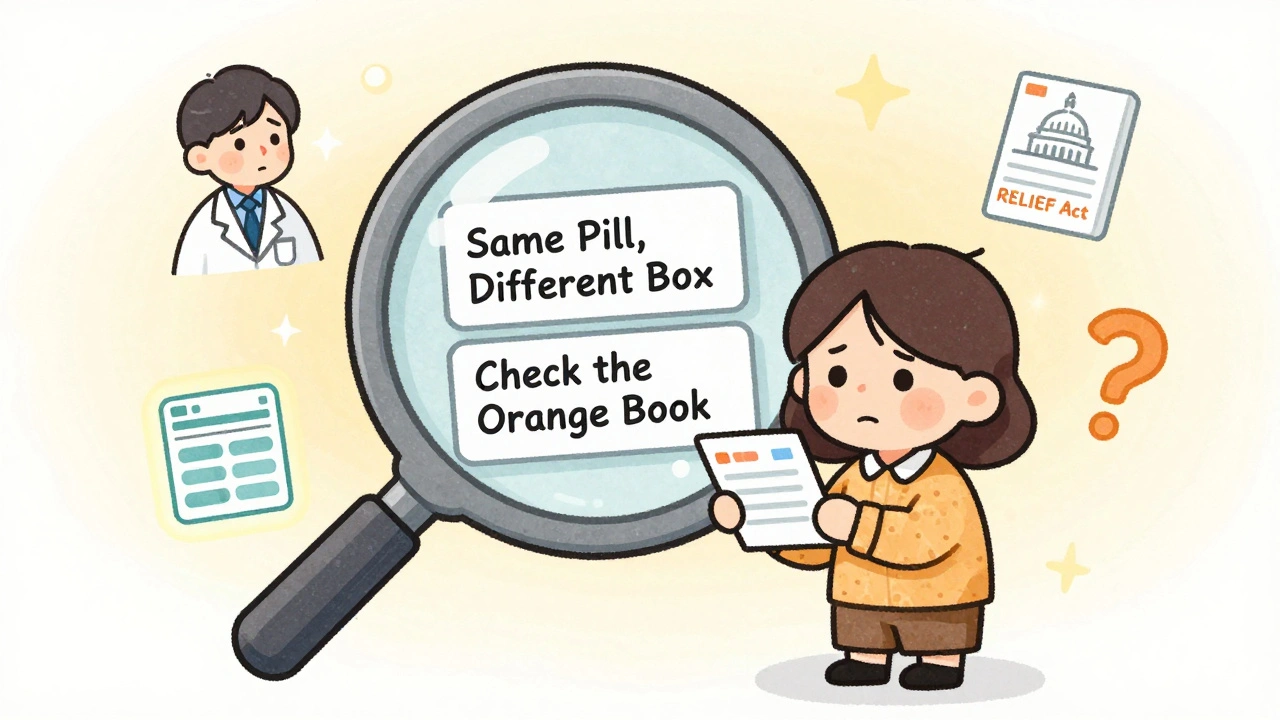
But here’s the catch: you won’t see "Authorized Generic" on the box. Pharmacies don’t label them that way. You have to check the FDA’s official list or ask your pharmacist to look up the product code in the Orange Book. A 2025 survey found 63% of pharmacists couldn’t tell an authorized generic from a regular one without checking the database. That means you might be getting one-and not even know it.
Are They Cheaper? Not Always.
The biggest myth about authorized generics is that they’re cheap. They’re not. Because they’re made by the brand company, they often launch at prices just 10-15% below the brand. Compare that to traditional generics, which can be 80% cheaper. On Drugs.com, users reported the authorized generic of Lyrica was only $5 cheaper than the brand at their pharmacy. Meanwhile, the regular generic was $15.
And insurance companies know this. Some PBMs (pharmacy benefit managers) now refuse to cover authorized generics because they don’t get the same rebates as traditional generics. A Reddit user shared that Blue Cross BCBS dropped coverage for the authorized generic of Jardiance-even though it’s identical to the brand-and forced patients back to the expensive version just to get a better rebate from the generic maker.
Who Benefits the Most?
Not everyone. But some patients do.
For drugs with a narrow therapeutic index-where tiny changes in dosage or formulation can cause big problems-authorized generics are the safest switch. Think: seizure meds like levetiracetam, blood thinners like warfarin, or thyroid drugs like levothyroxine. A 2025 NEJM article called them an "underutilized patient safety tool" because they eliminate formulation variability.
Patients who’ve had bad reactions to traditional generics often report stability after switching to an authorized version. One pharmacist on Reddit shared that patients on brand sertraline had anxiety spikes or nausea with generic versions-until they switched to Pfizer’s authorized generic. No changes in symptoms. Just a different label.
What’s Next? The Law Might Change
There’s a bill in Congress right now called the RELIEF Act (H.R. 4086). If it passes, it would force authorized generics to be priced the same as traditional generics. That would remove the main reason brand companies make them: to keep some profit while pretending to compete.
Right now, brand companies use authorized generics as a way to delay the full impact of generic competition. They get to sell the same drug at a slightly lower price, while still keeping control of the supply chain. If the RELIEF Act becomes law, that strategy could vanish. That might mean more traditional generics-and more real savings-for patients.
What Should You Do?
If you’re on a brand-name drug that’s gone generic:
- Ask your pharmacist: "Is there an authorized generic for this?"
- Check your prescription label. If the manufacturer name doesn’t match the brand, ask if it’s the same product.
- Compare prices. If the "generic" is only $5 cheaper than the brand, it might be an authorized one.
- If you’ve had side effects with regular generics, ask your doctor to prescribe the authorized version.
Don’t assume all generics are the same. Some are. Some aren’t. And the ones that are exact copies? They’re harder to find than ever.
Are authorized generics the same as the brand-name drug?
Yes. Authorized generics are chemically identical to the brand-name drug, including the same active and inactive ingredients. They’re made in the same factory, under the same quality controls. The only differences are the label, packaging, and sometimes the name on the box.
Why are authorized generics more expensive than regular generics?
Because they’re made by the original brand company, they don’t face the same price competition as traditional generics. Brand companies price them just slightly below their own drug-often 10-15% cheaper-instead of 80% like true generics. They’re not meant to be the cheapest option; they’re meant to keep brand companies in the game during generic competition.
How do I know if I’m getting an authorized generic?
You won’t always know. The label won’t say "authorized generic." Check the manufacturer name against the brand. If it’s the same company, it’s likely an authorized version. You can also look up the product code in the FDA’s Authorized Generics list or ask your pharmacist to check the Orange Book for therapeutic equivalence ratings.
Can I switch from a brand to an authorized generic without side effects?
Yes, and that’s the main advantage. Since the formulation is identical, switching from brand to authorized generic rarely causes side effects. This is especially important for drugs with narrow therapeutic windows, like epilepsy or thyroid medications, where even small changes in fillers can affect absorption.
Why are authorized generics becoming less common?
The FTC has cracked down on "pay-for-delay" deals and anti-competitive practices. Brand companies used to launch authorized generics to delay cheaper generics from entering. Now, they’re shifting to biosimilars or other strategies to maintain profits. Also, new laws like the RELIEF Act could force authorized generics to match traditional generic prices, removing their financial incentive.

Ian Glover
My name is Maxwell Harrington and I am an expert in pharmaceuticals. I have dedicated my life to researching and understanding medications and their impact on various diseases. I am passionate about sharing my knowledge with others, which is why I enjoy writing about medications, diseases, and supplements to help educate and inform the public. My work has been published in various medical journals and blogs, and I'm always looking for new opportunities to share my expertise. In addition to writing, I also enjoy speaking at conferences and events to help further the understanding of pharmaceuticals in the medical field.
9 Comments
-
ashlie perry
December 5, 2025 AT 09:44They're hiding behind 'biosimilars' now but it's all the same game. The FTC doesn't care about real patients. They care about lawsuits. Meanwhile your thyroid med changes every month and you're lucky if you don't get a panic attack from the filler switch. They know we're stuck. They always win.
-
Norene Fulwiler
December 6, 2025 AT 22:40As a pharmacist in rural Ohio, I see this every day. Patients think 'generic' means cheaper and better. But when they switch from Zoloft to a generic and start crying uncontrollably at 3am? That's not 'bioequivalent'-that's bad fillers. Authorized generics saved three of my patients from ER visits last year. No one tells them this stuff. Pharmacies don't label it. It's a system designed to confuse.
-
Ada Maklagina
December 7, 2025 AT 03:49My mom’s on levothyroxine. Switched to generic once, started feeling like a zombie. Went back to brand. Then I found out the brand was actually an authorized generic made by the same company. We’ve been on it for 2 years now. No issues. No one told us it was the same thing. Just different label. Why is this so hard to figure out?
-
Stephanie Fiero
December 7, 2025 AT 04:47Why does no one talk about this?! I’ve been screaming about this for years on Reddit. Authorized generics are the only safe switch for seizure meds. My cousin went from brand to regular generic and had a seizure in the shower. They didn’t even know the fillers were different. This isn’t about money-it’s about people dying because of corporate greed and lazy pharmacy systems. Someone needs to fix this. NOW.
-
Laura Saye
December 9, 2025 AT 04:11It’s fascinating how capitalism repackages control as choice. The authorized generic isn’t a solution-it’s a psychological Band-Aid. We’re told we have options, but the options are engineered to preserve profit margins under the illusion of competition. The real tragedy? We’re grateful for the 10% discount while the system quietly removes the 80% discount we were promised. We’re not consumers. We’re subjects of a pharmacological hierarchy.
-
sean whitfield
December 10, 2025 AT 16:57Wow. So the FDA lets companies sell the exact same pill under a different name and call it 'generic'? That’s not generic. That’s fraud with a label. And now they’re replacing it with biosimilars? Ha. Biosimilars are just the next scam. Next thing you know, they’ll sell us water and call it 'authorized tap water'. The only thing that’s changing is the price tag and the buzzwords. The system is rigged. Always has been.
-
Stephanie Bodde
December 12, 2025 AT 04:44My husband switched to the authorized generic for Jardiance and his blood sugar finally stabilized 😊 I was so mad at first because it cost the same as the brand… but then I realized-IT WAS THE BRAND. Just cheaper to make. Pharmacist didn’t even know. I’m telling everyone. Don’t trust the label. Ask for the manufacturer code. You’re not being cheap-you’re being smart 💪
-
Jennifer Patrician
December 12, 2025 AT 16:02They’re lying. The RELIEF Act is a trap. It’s not about lowering prices-it’s about forcing authorized generics out so big pharma can bring back their own brand at higher prices with 'new formulations'. They want you to think this is about fairness. It’s not. It’s about control. The FDA, FTC, Congress-they’re all in bed with the same companies. You think you’re getting a deal? You’re getting played. Again.


Write a comment
More Articles
Buy Generic Allegra (Fexofenadine) Online Cheap in the UK: Safe 2025 Guide
Want cheap generic Allegra online? Here’s a UK-safe way to get fexofenadine for less in 2025-prices, legit pharmacies, risks, and smarter alternatives.
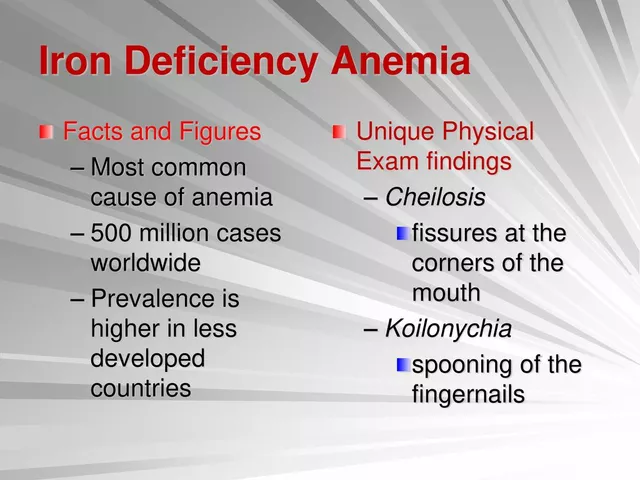
Capecitabine and cancer-related anemia: Strategies for management
In my recent research on cancer-related anemia, I came across some interesting strategies for managing this condition, particularly with the use of Capecitabine. As a chemotherapy drug, Capecitabine has shown promising results in reducing anemia symptoms in cancer patients. One approach includes adjusting the dosage and scheduling of Capecitabine to optimize its effectiveness in treating anemia. Additionally, combining Capecitabine with other treatments, such as iron supplementation, can provide further benefits. It is crucial for cancer patients and their healthcare team to collaborate in finding the most suitable management plan for their specific needs.
Marvin Gordon
December 4, 2025 AT 20:22So basically big pharma just rebrands their own stuff to scare off cheaper generics? Wild. I got Lyrica generic last month and paid $18. My buddy got the 'authorized' version and paid $22. Same pill. Different label. Same company. Just another way to keep us paying more.