High Cholesterol Medication and Diabetes: What You Need to Know
When you have diabetes, a condition where the body struggles to manage blood sugar levels. Also known as type 2 diabetes, it often comes with another serious issue: high cholesterol, a buildup of fatty substances in your blood that raises your risk of heart attack and stroke. Many people with diabetes are prescribed high cholesterol medication, typically statins like atorvastatin or rosuvastatin, to lower LDL (bad) cholesterol. Also known as cholesterol-lowering drugs, these are standard care because heart disease is the leading cause of death in people with diabetes. But here’s the catch: some of these same medications can raise blood sugar levels a little — not enough to cause diabetes, but enough to make it harder to control if you already have it.
It’s not that statins are bad for people with diabetes — far from it. Studies show they cut heart attack risk by up to 30% in this group. But they’re not magic bullets. If you’re on a statin and notice your fasting glucose numbers creeping up, or your HbA1c is rising despite diet and exercise, it’s worth talking to your doctor. Sometimes switching from a higher-dose statin to a lower one helps. Other times, adding a different kind of cholesterol drug, like ezetimibe, reduces the statin dose needed. And if you’re on metformin for diabetes, that drug may actually help offset some of the sugar-raising effects of statins.
What you can’t ignore is how these two conditions feed each other. High cholesterol makes blood vessels stiff and inflamed. Diabetes does the same. Together, they speed up damage to your heart, kidneys, and nerves. That’s why managing both isn’t just about popping pills — it’s about movement, food choices, and regular checkups. Walking 30 minutes a day lowers cholesterol and improves insulin sensitivity. Cutting out sugary drinks and refined carbs helps your blood sugar and your triglycerides. Even small changes matter.
You’ll find posts here that dig into the real-world trade-offs: how atorvastatin might affect your sexual health, why some people on hydroxyurea need to watch bone density, and how to safely taper off steroids that can mess with both cholesterol and blood sugar. These aren’t theoretical discussions — they’re based on what patients actually experience. You’ll also see comparisons between different drugs, how to spot side effects early, and how to talk to your pharmacist about alternatives that might work better for your body.
There’s no one-size-fits-all fix. But with the right info, you can take control — not just of your numbers, but of your daily life. What follows is a collection of practical, no-fluff guides written for people who are juggling multiple health issues and want clear answers, not marketing speak. Let’s get you the tools you need to stay healthy, not just medicated.
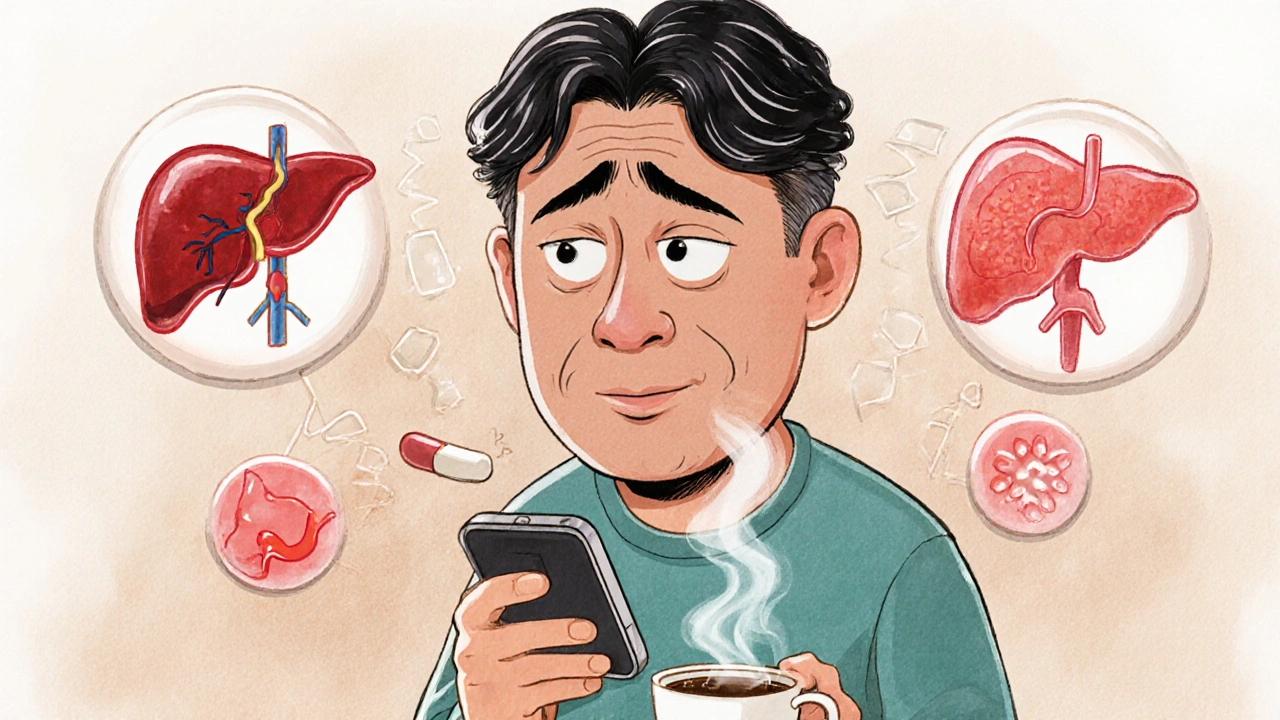
Statins and Diabetes: What You Need to Know About Blood Sugar Changes
Statins can slightly raise blood sugar and increase diabetes risk in some people - especially those with prediabetes or obesity. Learn how to manage this risk without stopping your heart-protecting medication.