Biosimilar Savings Calculator
Biosimilars typically cost 15% to 30% less than original biologic medications. This calculator helps you estimate potential savings based on your current medication costs.
Estimated Savings
Note: These are estimates based on average biosimilar savings. Actual savings may vary based on insurance coverage and specific medication.
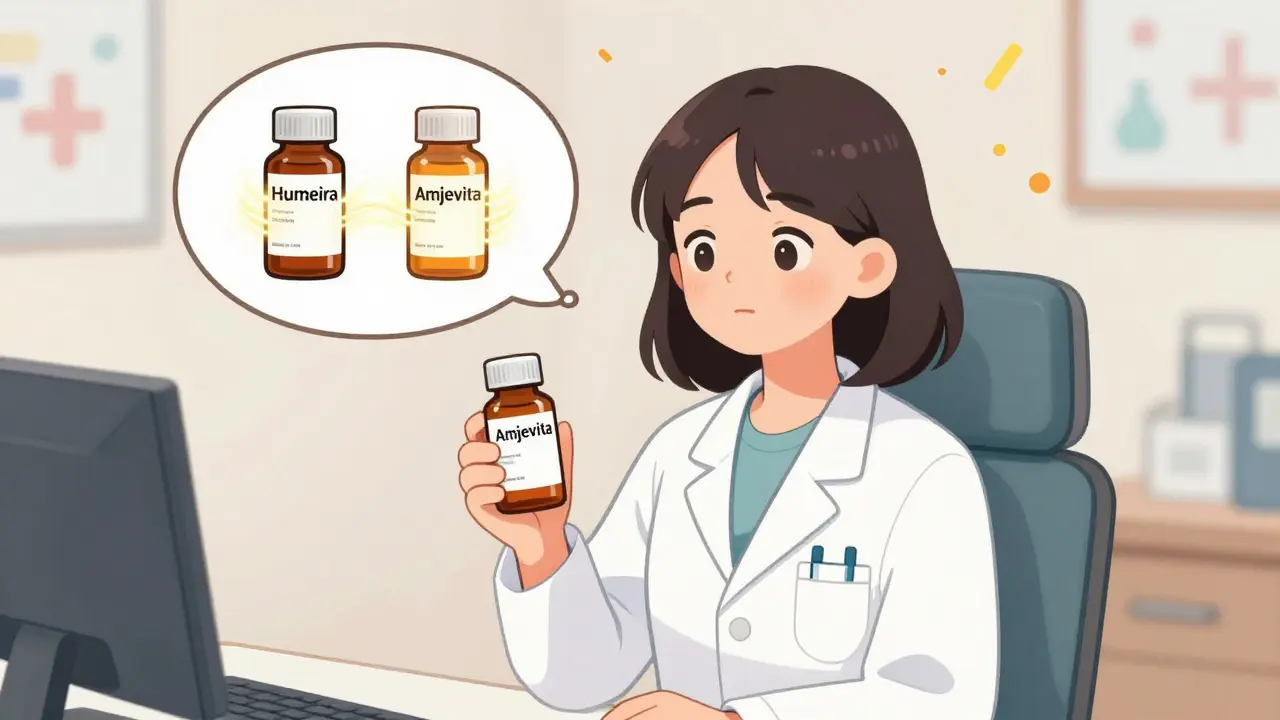
When your doctor suggests switching from Humira to Amjevita, or from Enbrel to Eticovo, it’s natural to feel uneasy. You’ve been on the original biologic for years. It works. Why change? The word biosimilar sounds technical, even suspicious. Is this just a cheaper version? Or is it truly the same? The truth isn’t complicated-but it’s buried under marketing noise, misinformation, and fear. Biosimilar medications aren’t generics. They’re not copies like aspirin made by ten different companies. Biologics are made from living cells-complex, delicate, and hard to replicate exactly. But that doesn’t mean biosimilars are inferior. In fact, after nearly two decades of global use, the data is clear: approved biosimilars are just as safe and effective as the originals. The European Medicines Agency (EMA) approved the first biosimilar in 2006. The U.S. FDA followed in 2015 with Zarxio, a biosimilar to filgrastim. Since then, more than 55 biosimilars have been approved in Europe and 26 in the U.S. That’s not a handful of experiments. That’s real-world medicine used by millions. How do we know they work the same? It’s not guesswork. Before approval, a biosimilar must go through a battery of tests-analytical, lab-based, and clinical. These aren’t shortcuts. They’re designed to prove that any differences between the biosimilar and the original are so small, they have no impact on how the drug works in your body. The FDA calls this "no clinically meaningful differences" in safety, purity, or potency. That’s the legal and scientific standard. One of the biggest myths is that biosimilars haven’t been tested long enough. But here’s the data: Sandoz, one of the largest makers, has tracked over 1.3 billion patient treatment days across eight biosimilars. That’s more than 3.5 million years of combined patient exposure. Rituximab biosimilars alone have been used in over 1.8 million patient doses. If there were hidden risks, we’d know by now. You might hear about patients who switched and had side effects. Maybe a rash, or joint pain returning. These stories are real to the people who live them. But they’re not proof that biosimilars are unsafe. In medicine, timing doesn’t equal causation. Just because a symptom appeared after a switch doesn’t mean the biosimilar caused it. The FDA’s pharmacovigilance system tracks every reported adverse event. When you look at the full dataset-not individual anecdotes-the rates of serious side effects are nearly identical between biosimilars and reference products. Immunogenicity-the risk that your immune system reacts to the drug-is a legitimate concern. But it’s not unique to biosimilars. Even the original biologics can trigger anti-drug antibodies. The difference? With biosimilars, regulators require ongoing immunogenicity monitoring. That means if a problem shows up years later, it’s caught fast. Modern testing tools now detect antibodies at levels we couldn’t even measure ten years ago. And the results? No increase in immune reactions with biosimilars. Cost is where biosimilars shine. They’re typically 15% to 30% cheaper than the original biologic. That’s not a small saving. For drugs like adalimumab (Humira), which can cost over $2,000 a month, that’s $300 to $600 saved every 30 days. From 2015 to 2022, biosimilars saved the U.S. healthcare system $31 billion. Projected savings through 2030? Over $300 billion. That’s not just corporate profit-it’s access. It means more people can get treatment for rheumatoid arthritis, Crohn’s disease, cancer, and more. Still, adoption is slow in the U.S. Why? Because the system isn’t designed to make it easy. Originator drug companies spent years using legal tactics-patent thickets, pay-for-delay deals-to delay biosimilar entry. Some even ran marketing campaigns that emphasized "highly similar, but not identical," knowing patients would hear "not identical" and assume "not safe." The FDA has since stepped in, clarifying that "no clinically meaningful differences" means what it says: you can switch with confidence. Doctors are catching on. A 2022 survey found 68% of physicians reported positive experiences with biosimilar efficacy. But 42% still face patient resistance. Why? Lack of awareness. Many patients don’t know what biosimilars are. Some think they’re experimental. Others believe they’re "second-rate." The truth? They’re held to the same strict standards as the original. Switching isn’t just allowed-it’s routine. The FDA now says the risk of switching between a reference product and a biosimilar is insignificant. In Europe, 65% of filgrastim prescriptions are for biosimilars. In the U.S., it’s still only 35%. But that’s changing fast. In 2023 alone, the FDA approved 12 new biosimilars-including four for Humira. That’s more than in the previous seven years combined. Interchangeable biosimilars? Those are a step further. They’re approved to be swapped at the pharmacy without a doctor’s permission-just like generic pills. Eleven have been approved in the U.S. as of early 2026, with more coming. State laws vary, but the science doesn’t. You don’t need to worry about your body reacting differently just because the name on the bottle changed. For oncology patients, biosimilars are a game-changer. As of Q1 2024, 17 biosimilars were approved for cancer treatments. For someone facing chemotherapy, saving money isn’t a luxury-it’s survival. A $10,000 monthly drug becomes $7,000. That’s more treatments. Fewer bankruptcies. More hope. Patient stories tell the real picture. One person on MyBiosimilarsExperience.com wrote: "Switched from Humira to Amjevita after my insurer mandated it-no difference in efficacy after 18 months, saved me $1,200 monthly." Another reported new rashes and switched back. But here’s the catch: the FDA’s database shows no spike in skin reactions linked to biosimilars. That single case, while distressing, doesn’t override the data from hundreds of thousands of others. What’s next? The global biosimilar market is expected to hit $58 billion by 2030. More countries are adopting them. More insurers are pushing them. More doctors are prescribing them. The science is settled. The safety record is strong. The cost savings are massive. If your doctor suggests a biosimilar, ask questions. But don’t assume it’s risky. Ask: "Is this approved by the FDA?" "Has it been used by thousands of patients?" "Is there data showing it works the same?" The answers will almost always be yes. Biosimilars aren’t a gamble. They’re the result of years of rigorous science, global oversight, and real-world use. They’re not cheaper because they’re worse. They’re cheaper because we’ve learned how to make them well-and we’re finally letting patients benefit from that knowledge.
What Makes a Biosimilar Different from a Generic Drug?
Generics are exact chemical copies of small-molecule drugs-like ibuprofen or metformin. They’re made in labs using predictable formulas. Biosimilars, on the other hand, are made from living cells-yeast, bacteria, or mammalian cells. The process is messy, complex, and sensitive to tiny changes in temperature, pH, or nutrients. No two batches of a biologic are identical, not even the original. That’s why biosimilars don’t need to be identical-they just need to be highly similar, with no impact on safety or performance. Think of it like two handmade wooden chairs. They’re not machine-perfect clones. But if they hold the same weight, have the same comfort, and last the same amount of time, they’re functionally the same. That’s biosimilars.
Can I Switch Back to the Original Biologic If Needed?
Yes. There’s no rule that says once you switch to a biosimilar, you’re locked in. If you feel worse-or your doctor thinks it’s not working-you can switch back. Multiple studies, including one published in 2024, confirm that switching back and forth between a reference product and a biosimilar doesn’t reduce effectiveness or increase risk. The body doesn’t "remember" which version it was on. What matters is consistent dosing and monitoring. In fact, some patients start on a biosimilar and later switch to another biosimilar (biosimilar-to-biosimilar switching). That’s also safe. The key is tracking your symptoms and keeping your doctor informed.
Why Are Biosimilars Cheaper If They’re So Complex?
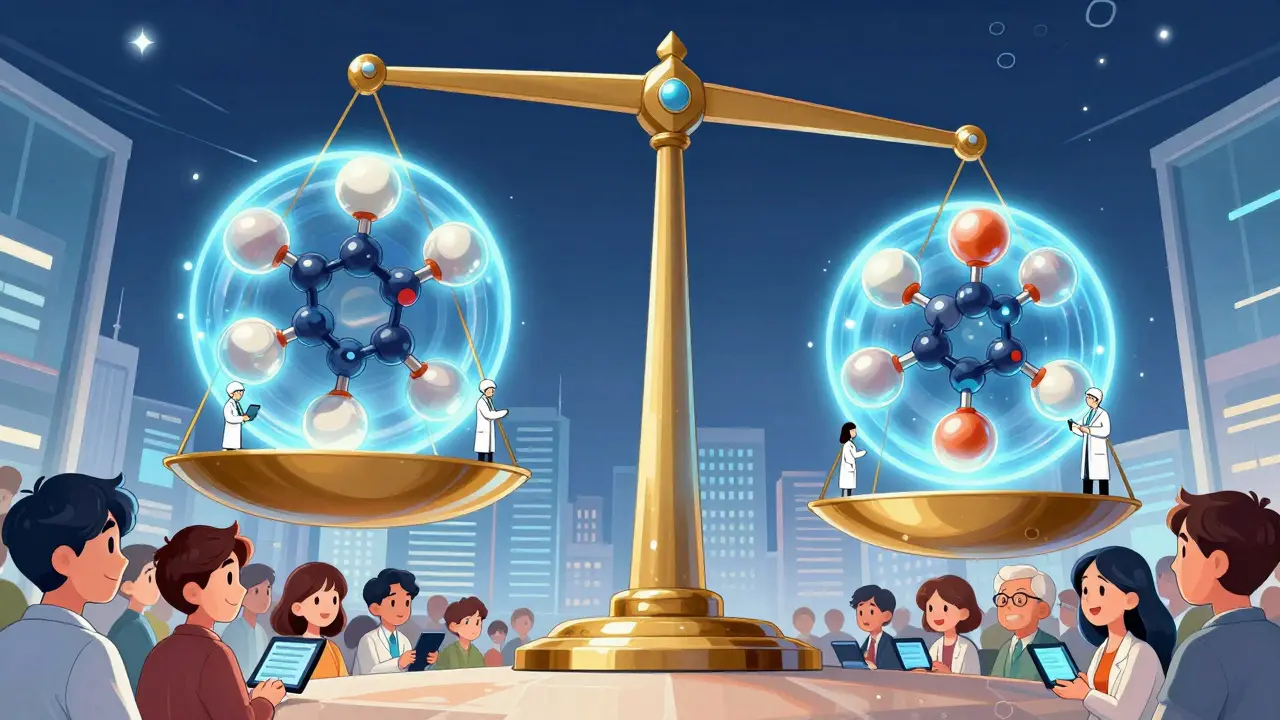
It’s not because they’re easier to make. It’s because they don’t need to repeat the same expensive trials. The original biologic took over a decade and billions of dollars to develop. Clinical trials, safety studies, manufacturing scale-up-all of that was already done. A biosimilar maker doesn’t have to start from scratch. They use the reference product as a benchmark. Their job is to prove similarity, not reinvent the wheel. That’s why the price drops. It’s competition, not cutting corners. Just like with generic pills, when multiple companies make the same drug, prices fall. And patients win.
How Do I Know If My Insurance Covers a Biosimilar?
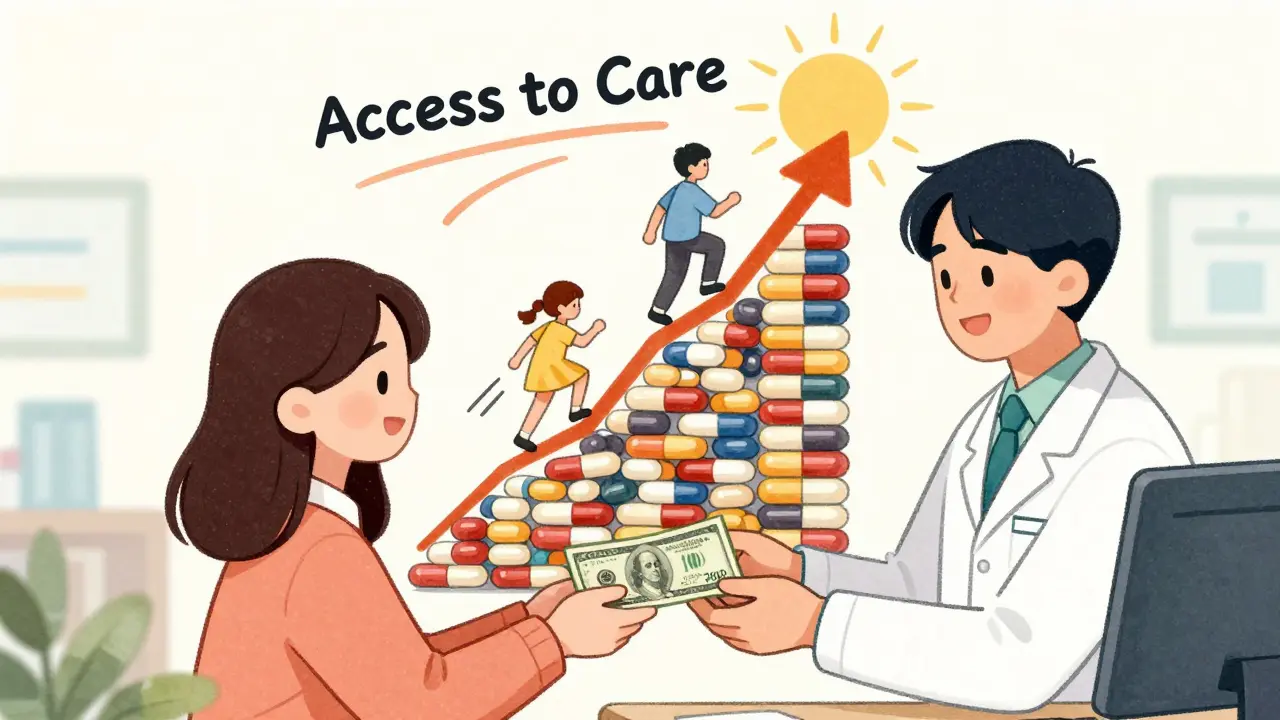
Most major insurers in the U.S. now prefer or require biosimilars when available. That’s because they save money-and those savings get passed on in lower premiums and co-pays. Check your plan’s formulary (the list of covered drugs). If your biologic has a biosimilar version, it’s likely listed as preferred. Sometimes, you’ll get a notice from your insurer saying you must switch to a biosimilar to keep coverage. If you’re denied coverage, talk to your doctor. They can file a prior authorization appeal. Many biosimilar manufacturers also offer patient assistance programs to cover out-of-pocket costs.
Are There Any Biosimilars Approved for Cancer?
Yes. As of early 2026, 17 biosimilars are approved in the U.S. for cancer treatments. These include versions of rituximab (for lymphoma), trastuzumab (for breast cancer), bevacizumab (for colon and lung cancer), and pegfilgrastim (to boost white blood cells after chemo). The data shows no difference in tumor response, survival rates, or side effects compared to the originals. For cancer patients, access matters more than ever. A biosimilar can mean the difference between starting treatment on time or waiting months because the original is too expensive.

Ian Glover
My name is Maxwell Harrington and I am an expert in pharmaceuticals. I have dedicated my life to researching and understanding medications and their impact on various diseases. I am passionate about sharing my knowledge with others, which is why I enjoy writing about medications, diseases, and supplements to help educate and inform the public. My work has been published in various medical journals and blogs, and I'm always looking for new opportunities to share my expertise. In addition to writing, I also enjoy speaking at conferences and events to help further the understanding of pharmaceuticals in the medical field.
12 Comments
-
Ryan W
January 28, 2026 AT 02:40Regulatory capture at its finest. The FDA approves these biosimilars based on ‘no clinically meaningful differences’ - which is bureaucratic doublespeak for ‘close enough.’ The original manufacturers spent billions developing these drugs. Now some Indian and Chinese conglomerate copies them with cheaper manufacturing and gets a free pass? That’s not innovation - it’s exploitation. And don’t get me started on the ‘cost savings’ narrative. It’s just a backdoor to rationing care. If you want cheaper drugs, fix the broken patent system - don’t water down the standard.
-
Allie Lehto
January 29, 2026 AT 17:39OMG I just switched to Amjevita and my skin broke out 😭 I KNOW it’s the biosimilar!!! I’ve been on Humira for 5 years and never had a rash! This is so unfair!! I feel like my body is being experimented on!! 💔 I’m going to write to my senator. Who even approved this?? It’s like they don’t care about real people. #BiosimilarScaresMe
-
Neil Thorogood
January 31, 2026 AT 02:29Y’ALL. Let me just say - this is the most important thing I’ve read all year. 🙌 Biosimilars are the quiet revolution nobody talks about but EVERYONE needs. Imagine if your Netflix subscription dropped from $20 to $12 and the shows were STILL the same quality. That’s biosimilars. No magic. No snake oil. Just science doing its damn job. And yes - I switched. No side effects. Saved $700/month. My dog even wagged his tail more. (Okay, maybe not the dog. But my bank account did.)
-
rasna saha
February 1, 2026 AT 02:07I’m from India, and biosimilars here are how most people get treatment. I’ve seen friends with RA and cancer take them for years - and they’re doing great. The fear isn’t about the medicine, it’s about not being told the truth. When doctors explain it simply - ‘it’s like the same recipe, just made in a different kitchen’ - people relax. It’s not magic. It’s just medicine that finally became affordable.
-
Skye Kooyman
February 2, 2026 AT 17:10So they’re not generics but they work the same? Weird. So the body can’t tell the difference? Interesting. Makes sense I guess. My cousin’s on one. Seems fine.
-
Kipper Pickens
February 3, 2026 AT 15:07The pharmacoeconomic implications are nontrivial. The reference product’s R&D amortization was sunk cost. Biosimilar manufacturers leverage platform technologies and comparative clinical trial designs to achieve regulatory equivalence under the 351(k) pathway. The EMA and FDA have harmonized analytical benchmarks - HPLC, mass spec, binding assays - to confirm structural and functional similarity. The clinical endpoint noninferiority margins are rigorously defined. This isn’t circumvention. It’s optimization.
-
Joanna Domżalska
February 5, 2026 AT 06:06They say it’s safe but then why do they need to do all those tests? If it’s the same, why not just say so? And why do they call it ‘biosimilar’ instead of ‘same’? Because it’s not. They’re just trying to trick you into thinking it’s okay. If it was truly identical, they’d call it a copy. They don’t want you to know they’re cutting corners.
-
Josh josh
February 5, 2026 AT 14:28my doc switched me to eticovo last year and i didnt even notice until my bill came and i was like holy shit i saved 500 bucks this month. also no weird side effects. my cat didnt even care. the end
-
bella nash
February 6, 2026 AT 02:59It is imperative to acknowledge that the regulatory framework governing biosimilar approval is predicated upon an evidentiary standard of comparability, not identity. The scientific literature, including longitudinal cohort studies published in The New England Journal of Medicine and The Lancet, demonstrates noninferiority across multiple endpoints. The notion that biosimilars constitute a dilution of therapeutic integrity is a fallacy rooted in semantic misunderstanding and fear-based marketing.
-
Sally Dalton
February 7, 2026 AT 22:24I just want to say thank you to everyone who worked on this. I’ve been on biologics since I was 18 and I was terrified to switch. I cried the first time I got the biosimilar in the mail. But then… nothing changed. I still get to play with my kids. I still go to work. I still feel like me. And now I’m saving enough to take a real vacation. This isn’t just science. It’s hope. 💕
-
Betty Bomber
February 8, 2026 AT 23:06My mom’s on one. She’s 72. She doesn’t know what a biosimilar is. She just knows it works and her copay’s lower. That’s all she needs. Sometimes the simplest truths are the ones we overcomplicate.


Write a comment
More Articles

Deplumation Explained: Causes of Feather Loss in Birds and How to Help
Why birds lose feathers and what to do. Learn the science of deplumation, key causes, red flags, and a step-by-step plan to diagnose, treat, and prevent.
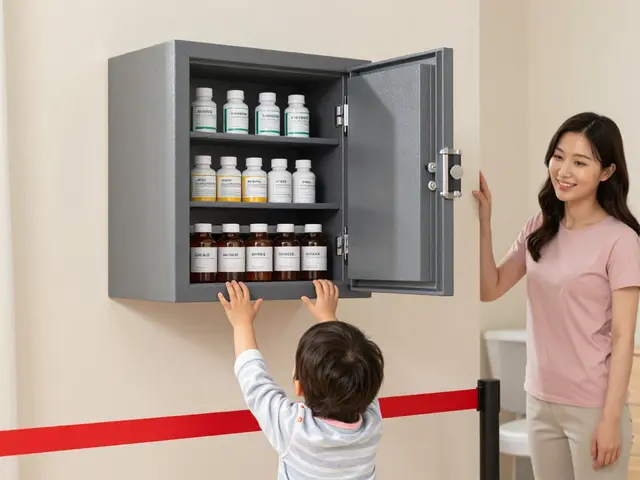
Medication Storage and Authenticity: Protecting Your Home Supply from Counterfeit Drugs and Accidental Poisoning
Learn how to store medications safely to prevent accidental poisoning, counterfeit drugs, and loss of potency. Protect your family and your health with proven storage practices.
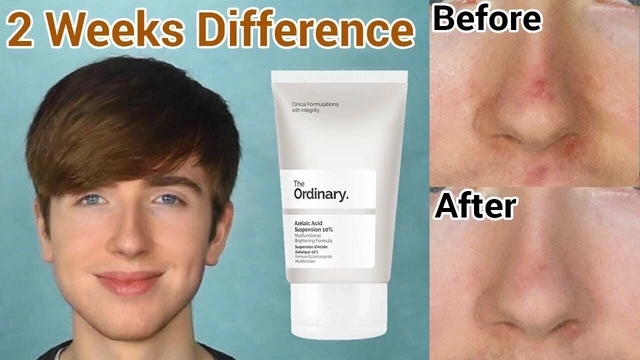
The Role of Azelaic Acid in Treating Contact Dermatitis
As a blogger, I've come across the amazing benefits of Azelaic Acid in treating Contact Dermatitis. Azelaic Acid, a naturally occurring substance found in grains, has anti-inflammatory and antibacterial properties that help soothe and heal the skin. It works by reducing redness, itching, and swelling caused by this common skin condition. I've personally experienced its effectiveness in managing my own Contact Dermatitis symptoms. It's definitely worth considering Azelaic Acid as a treatment option for those suffering from this uncomfortable skin issue.
Shawn Raja
January 27, 2026 AT 01:04Let me get this straight - we’re scared of a drug because it has a fancy name and costs less? 🤦♂️ We let Big Pharma charge $2k/month for Humira for a decade, and now when someone finally says ‘hey, we can make this cheaper without sacrificing safety,’ we freak out? The science isn’t just solid - it’s overwhelming. We’re not talking about some sketchy supplement from a Walmart shelf. We’re talking about FDA-approved, globally used, billion-patient-day-tested medicine. If your insulin was made by a robot in a lab, you’d call it ‘precision.’ But if it’s made by living cells? Suddenly it’s ‘suspicious.’ Wake up.