Calcium Alternatives: What Works When You Can't Take Calcium
When you can't take calcium, a mineral essential for bone strength, nerve function, and muscle control. Also known as calcium supplements, it's often the first line of defense for weak bones—but not everyone can use it. Maybe you have kidney issues, take certain heart meds, or get bloated and constipated from pills. That doesn’t mean your bones are out of luck. There are real, science-backed ways to support bone health without calcium supplements.
One of the most powerful vitamin D, a hormone-like nutrient that helps your body absorb calcium and regulate bone turnover. Also known as cholecalciferol, it's not just a supplement—it’s a key player in keeping bones dense and fracture-resistant. Studies show people with low vitamin D levels lose bone mass faster, even if they take calcium. Getting enough sunlight, eating fatty fish, or taking a daily 1000–2000 IU dose can make a big difference. Then there’s magnesium, a mineral that works with vitamin D to activate bone-building cells and prevent calcium from depositing in the wrong places, like arteries. Also known as magnesium citrate or glycinate, it’s often overlooked but critical for bone structure. A 2021 review in the Journal of Bone and Mineral Research found that people with higher magnesium intake had better bone density, even without extra calcium. And don’t forget vitamin K2, a lesser-known nutrient that directs calcium to your bones instead of your arteries. Also known as menaquinone, it’s found in fermented foods like natto and hard cheeses. Without K2, calcium—even if you take it—can end up where it shouldn’t.
Some people turn to bisphosphonates, a class of prescription drugs that slow bone loss in osteoporosis. Also known as Fosamax or Boniva, they’re not alternatives to calcium—they’re alternatives to doing nothing when your bones are at risk. These meds are often used when diet and supplements aren’t enough, especially for those with a history of fractures. Meanwhile, weight-bearing exercise isn’t just advice—it’s medicine. Walking, lifting weights, or even dancing for 30 minutes a day signals your bones to get stronger. You don’t need to run marathons. Just move often, and move with resistance.
What you’ll find below are real, practical guides from people who’ve walked this path—how to manage bone health on hydroxyurea, how to spot early signs of osteoporosis, and what to do when statins or other meds make calcium unsafe. No fluff. No generic advice. Just clear, tested strategies that work when calcium isn’t an option.
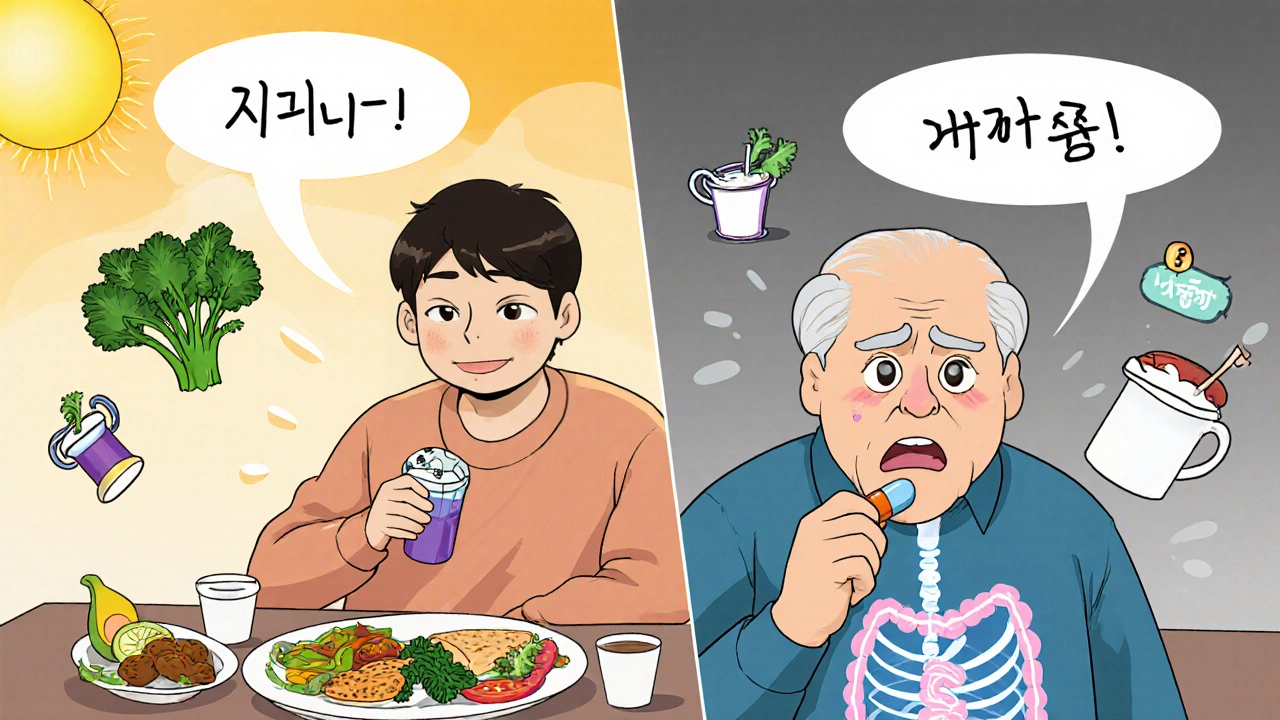
Calcium Carbonate vs Alternatives: What Works Best for Your Needs
Calcium carbonate is common but not always the best choice. Learn how calcium citrate, malate, and food sources compare-and which one suits your body best.