Drug Interactions: What You Need to Know to Stay Safe
When you take more than one medication—or even a supplement with your prescription—you’re risking a drug interaction, a reaction between two or more substances that changes how they work in your body. Also known as medication interaction, it’s not just about pills clashing—it’s about food, herbs, and even your own body chemistry turning a safe dose into a problem. These aren’t rare edge cases. A 2022 study in JAMA found that nearly 1 in 4 adults on multiple medications had at least one potentially dangerous interaction. And most people have no idea.
Food-drug interactions, how what you eat changes how your medicine works are sneakier than you think. Grapefruit juice isn’t just bad with statins—it can make them 3 to 5 times more potent, raising your risk of muscle damage. Warfarin doesn’t just need consistent vitamin K intake—it needs you to stop suddenly eating kale salads if you’ve been eating plain rice for weeks. Adverse drug reactions, harmful, unintended effects from medication often get blamed on the drug itself, but they’re frequently caused by what you took with it. That fatigue from your IBD med? Could be a calcium supplement blocking absorption. That dizzy spell after starting a new antibiotic? Maybe it’s the antacid you took an hour before.
Pharmacies don’t always catch these. Pharmacy errors, mistakes in dispensing or advising on medication use happen because systems rely on doctors typing in lists, not patients telling them about the turmeric powder they take daily or the OTC sleep aid they use every night. You’re the only one who knows your full routine. That’s why creating a simple, handwritten checklist of everything you take—prescriptions, vitamins, herbal teas, even CBD oil—is the most effective tool you have. It’s not about being paranoid. It’s about being smart.
The posts below show real cases: how statins raise blood sugar, why azithromycin isn’t always the best choice for infections, how calcium supplements can interfere with thyroid meds, and why grapefruit juice can make your heart rhythm meds dangerous. You’ll find guides on how to spot red flags, what questions to ask your pharmacist, and how to build a personal safety plan that actually works. No jargon. No fluff. Just what you need to keep yourself safe.
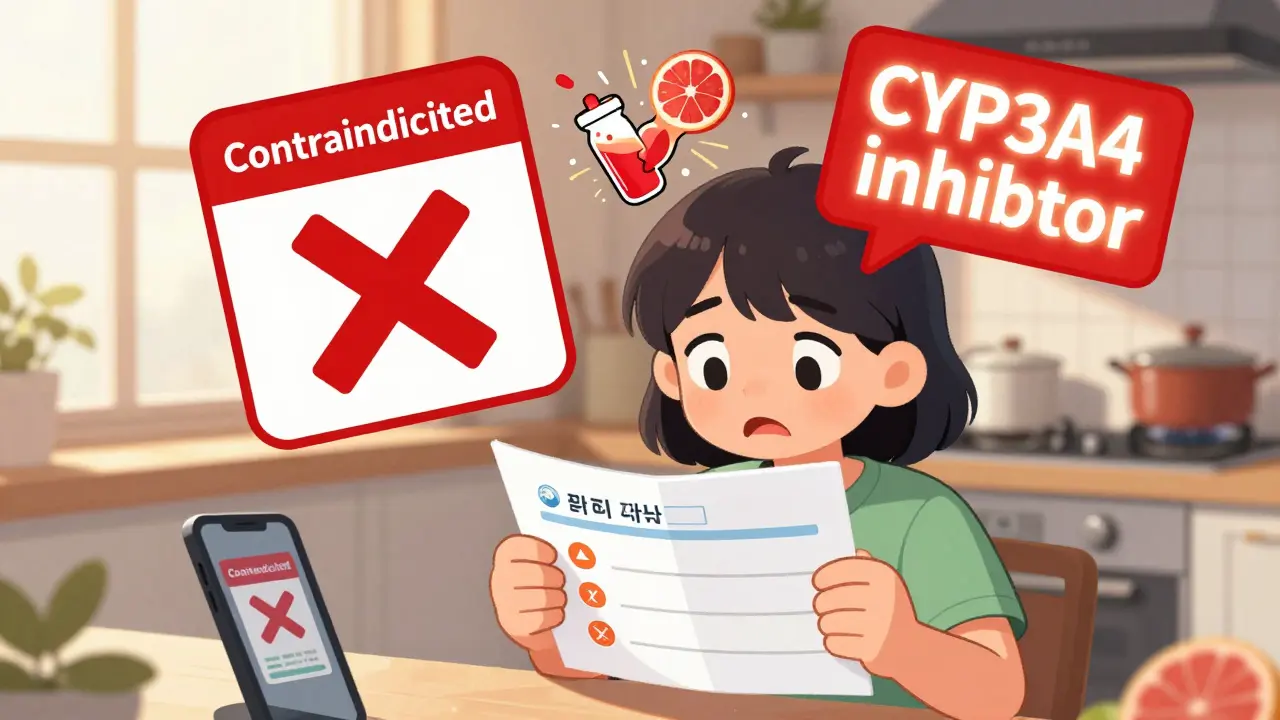
How to Read Interaction Warnings on Medication Guides
Learn how to read interaction warnings on medication guides to avoid dangerous drug combinations. Understand severity levels, hidden risks from OTC meds and supplements, and practical steps to stay safe.
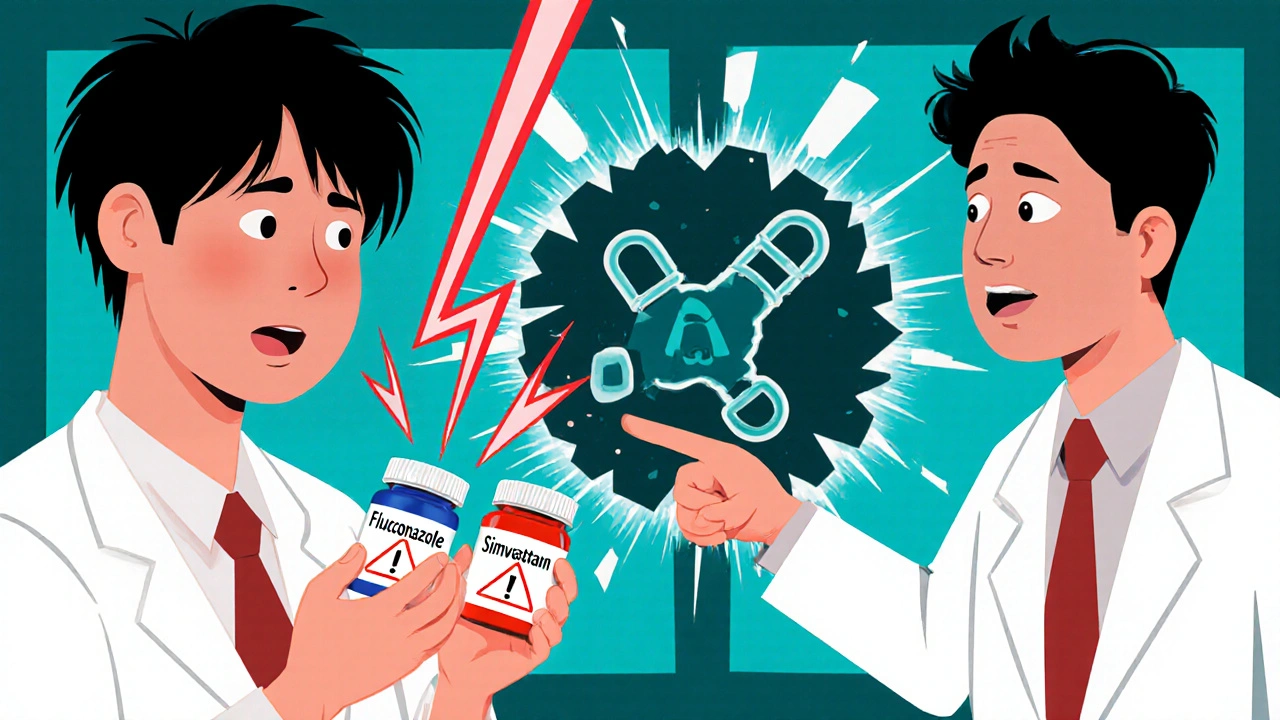
Systemic Antifungals: High-Risk Interactions with Statins and Immunosuppressants
Systemic antifungals like azoles can dangerously increase statin and immunosuppressant levels, raising the risk of muscle damage and kidney failure. Learn which combinations are lethal and how to stay safe.