Labeling Errors: How Mistakes on Drug Labels Put Patients at Risk
When a drug label gets it wrong, it’s not just a typo—it’s a potential life-or-death mistake. Labeling errors, incorrect or unclear information on medication packaging that leads to misuse or harm. Also known as drug labeling mistakes, they’re one of the most common causes of preventable harm in hospitals and pharmacies. A pill bottle labeled with the wrong dose. A box that says ‘take once daily’ but means ‘take every 6 hours.’ A warning missing about a deadly interaction with grapefruit juice. These aren’t hypotheticals. They happen every day, and they’re often silent until someone gets hurt.
Medication errors, mistakes in prescribing, dispensing, or taking drugs that result in harm don’t always come from human slip-ups. Sometimes, the problem starts with the label. A pharmacist grabs the wrong bottle because the font size is too small. A nurse gives a child the adult version because the weight-based instructions are buried in fine print. A patient skips a dose because the label says ‘take with food’ but doesn’t say which food—and they’re on a strict diet. These aren’t just bad luck. They’re systemic failures tied directly to how drugs are labeled.
Pharmacy safety, the practices and systems designed to prevent mistakes in medication handling and delivery has made progress. Barcode scanning, electronic prescribing, and double-check systems help. But if the label itself is confusing, misleading, or flat-out wrong, even the best systems can fail. The FDA has rules for labeling, but enforcement is uneven. Some manufacturers cut corners. Some labels are designed for regulators, not real people. And when generics flood the market, labels get copied, pasted, and altered—sometimes with deadly results.
Labeling errors show up in the most unexpected places. A heart medication labeled with the wrong strength. An antibiotic that looks identical to another drug but has a completely different dosing schedule. A label that says ‘shake well’ but doesn’t say how long. These aren’t just annoyances—they’re triggers for overdose, allergic reactions, organ damage, and even death. And they’re often missed until it’s too late.
What you’ll find in the posts below isn’t just a list of stories. It’s a map of where things go wrong—and how to protect yourself. From how labeling errors lead to dangerous drug interactions with statins and antifungals, to how pharmacy staff miss critical warnings on compounded meds, to how FDA inspections catch—and sometimes miss—these flaws. You’ll see real cases tied to asthma inhalers, cancer combos, and even pregnancy-safe heartburn pills. These aren’t abstract risks. They’re everyday threats hiding in plain sight on the bottle in your medicine cabinet.
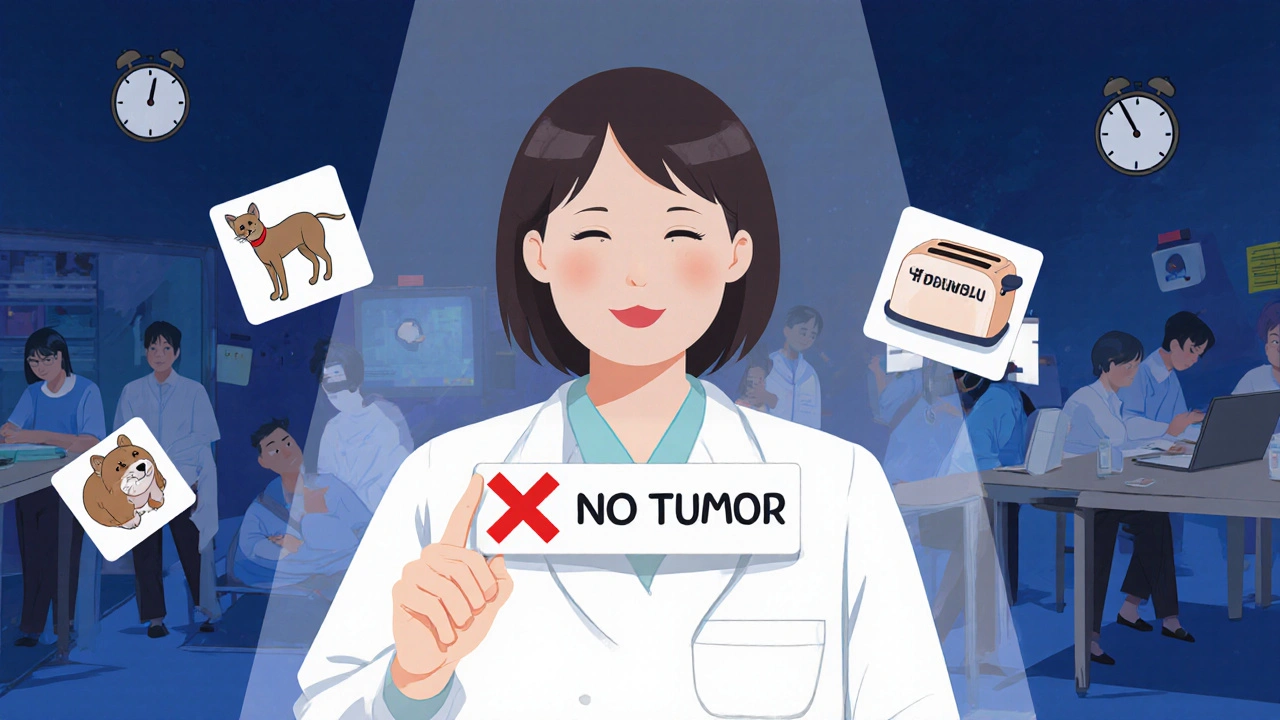
How to Recognize Labeling Errors and Ask for Corrections in Machine Learning Datasets
Learn how to spot and fix labeling errors in machine learning datasets to improve model accuracy. Discover common error types, tools like cleanlab and Argilla, and how to ask for corrections effectively.