Made in China 2025: How It Shapes Global Pharma Supply Chains
When you take a pill for high blood pressure, diabetes, or an infection, there’s a good chance it was made in China—and that’s not just coincidence. Made in China 2025, a national industrial plan launched in 2015 to upgrade China’s manufacturing base, including pharmaceuticals. Also known as China’s manufacturing modernization strategy, it’s pushing Chinese factories to move from low-cost production to high-tech, high-quality drug manufacturing. This isn’t just about building more pills. It’s about controlling the entire chain—from active ingredients to finished tablets—and making China the world’s most reliable source for generic medicines.
That matters because pharmaceutical manufacturing, the process of turning raw chemicals into safe, effective medications is now heavily concentrated in China. Over 70% of the world’s active pharmaceutical ingredients (APIs) come from there. Even brands made in the U.S. or Europe often rely on Chinese-made ingredients. The generic drugs, lower-cost versions of brand-name medicines that are chemically identical you get at your local pharmacy? Many are made in the same factories that follow Made in China 2025 guidelines. The goal? To produce more, cheaper, and higher-quality generics—so China doesn’t just supply the world, it leads it.
But this shift comes with risks. When one factory in Jiangsu or Zhejiang shuts down for an inspection, or when export rules change, drug shortages, sudden gaps in medicine availability ripple across hospitals and homes. We’ve seen it happen with antibiotics, blood pressure meds, and even insulin. Meanwhile, supply chain risks, vulnerabilities in how medicines move from factory to patient are growing. Political tensions, environmental crackdowns, and quality control issues can delay shipments for months. That’s why FDA inspections of Chinese facilities have doubled in the last five years—and why your pharmacist might suddenly switch your pill’s color or shape without warning.
What you’ll find in the posts below isn’t speculation. It’s real-world impact. You’ll read about how authorized generics are disappearing because of FTC pressure tied to Chinese production shifts. You’ll see how pill appearance changes confuse patients—often because the same generic is now made in a different Chinese plant. You’ll learn why drug shortages hit hardest for older adults and why some cancer meds are harder to substitute than others. This isn’t about politics. It’s about what’s in your medicine cabinet—and why you should care where it came from.
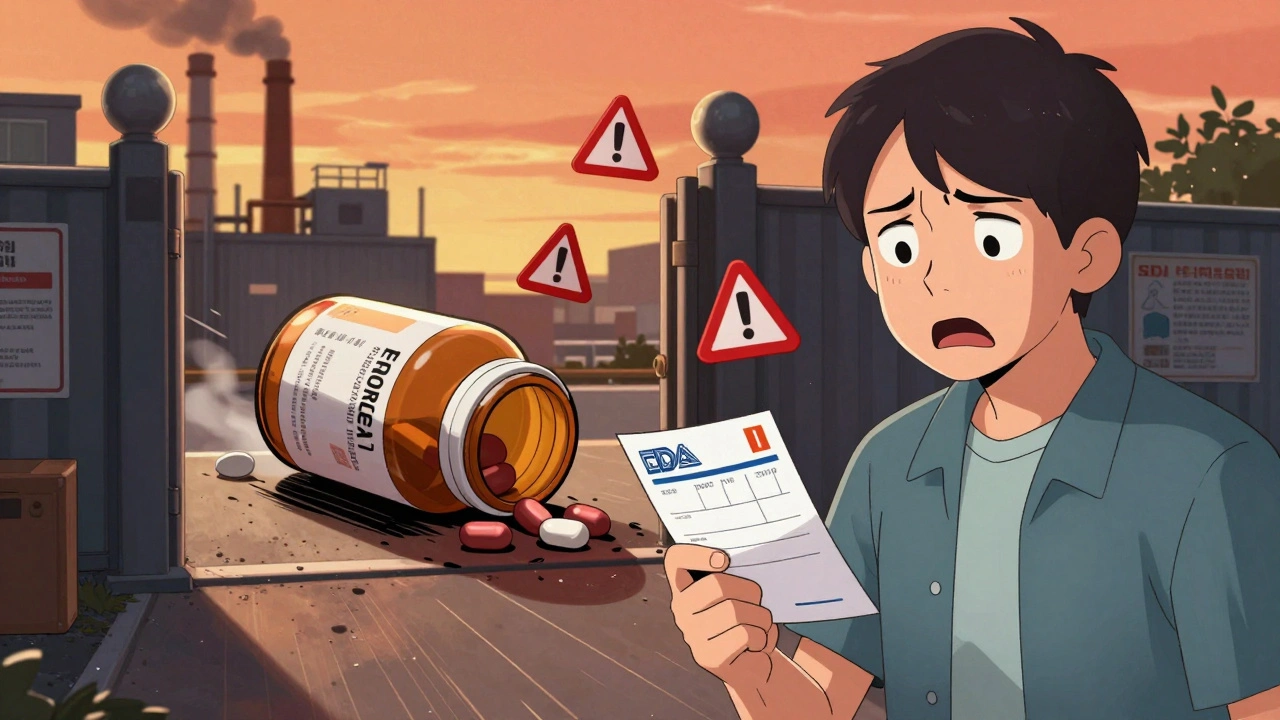
Foreign Manufacturing Quality Issues: How Overseas Production Risks Are Rising in 2025
Foreign manufacturing quality issues are worsening in 2025, with rising FDA drug recalls, material fraud, and unannounced inspections. Learn how overseas production risks affect health products and what companies must do to stay compliant and safe.