Poison Control Number: What to Do When Toxic Exposure Happens
When something goes wrong—your kid swallows cleaning fluid, you mix the wrong meds, or you touch a toxic plant—you need a poison control number, a free, 24/7 hotline staffed by toxicology experts who guide you through emergencies. Also known as poison center, this service is your fastest line to life-saving advice, not a 911 call you might regret making too late.
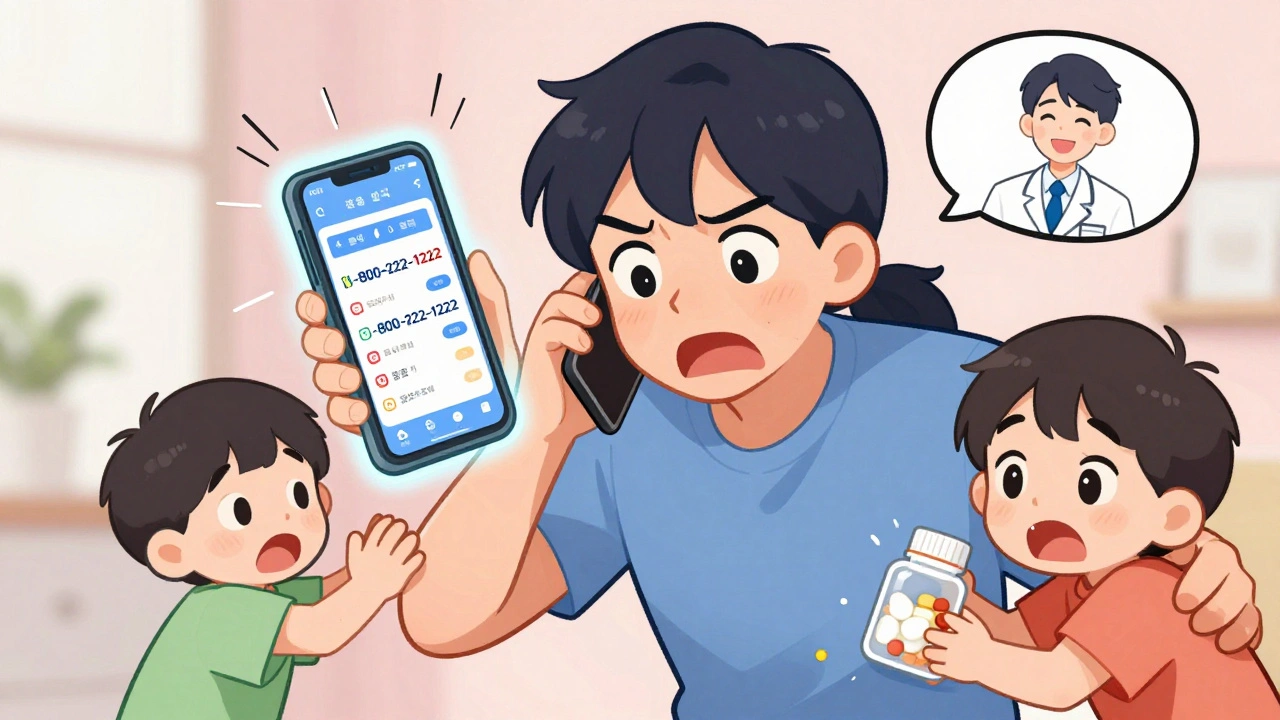
Most people don’t think about the poison control number until it’s too late. But in the U.S., it’s 1-800-222-1222, and it connects you directly to your local poison center. These aren’t call centers—they’re teams of pharmacists and toxicologists trained to handle everything from chocolate ingestion in dogs to accidental pesticide exposure. They ask simple questions: What was taken? How much? When? And then they tell you exactly what to do: wait it out, rinse it off, or rush to the ER. No guesswork. No panic. Just facts.
It’s not just about pills. The toxic exposure, any unintended contact with harmful substances like chemicals, plants, or gases can come from cleaning products, carbon monoxide, mushrooms, or even too much vitamin D. Kids, seniors, and people on multiple medications are at higher risk. A single mistake with a medication or supplement can turn dangerous fast—especially when you don’t know how it interacts with what you’re already taking. That’s why the emergency poison response, the immediate steps taken after suspected poisoning to prevent harm starts with calling poison control, not Googling symptoms.
You don’t need to wait for symptoms. If you’re unsure, call. Poison control experts have seen it all: a child licking a glow stick, a grandparent mixing old antibiotics with new ones, a worker exposed to industrial fumes. They don’t judge. They don’t waste time. They give you a plan. And in many cases, they prevent a hospital trip altogether. Save the number in your phone. Write it on the fridge. Tell your family. This isn’t just advice—it’s a safety net you hope you never need, but will be glad you had when it matters most.
Below, you’ll find real-world stories and expert insights on how to avoid poisonings, recognize early signs of toxicity, and what to keep in your medicine cabinet to stay prepared. These aren’t theoretical guides—they’re the kind of info that saves lives when seconds count.
Poison Control Hotline: How It Works and What to Report About Medications
Learn how the poison control hotline works, what details to report about medications, and why calling 1-800-222-1222 can prevent ER visits and save lives. Free, expert help 24/7.