Statin and Blood Sugar: What You Need to Know About Cholesterol Drugs and Glucose Levels
When you take a statin, a class of drugs used to lower LDL cholesterol and reduce heart disease risk. Also known as HMG-CoA reductase inhibitors, they work by blocking an enzyme your liver needs to make cholesterol. But for many people, especially those already at risk for type 2 diabetes, there’s a quiet side effect that doesn’t get enough attention: blood sugar, the amount of glucose circulating in your bloodstream. Also known as glucose levels, it’s a key marker for metabolic health. Research shows that some statins—especially higher doses of atorvastatin and rosuvastatin—can cause small but measurable increases in fasting blood sugar and HbA1c over time. This isn’t a dealbreaker for most, but it’s something you should track, especially if you’re prediabetic or have a family history of diabetes.
It’s not that statins cause diabetes outright. They don’t turn healthy people into diabetics overnight. But they can nudge your body’s insulin response in a way that makes it harder to keep glucose in check. Think of it like a slow leak in a tire—you might not notice it at first, but over months or years, pressure drops. The same goes for your cells’ ability to respond to insulin. Studies from the American Heart Association and the Journal of the American Medical Association found that long-term statin users had a 9% to 12% higher risk of developing type 2 diabetes compared to non-users. The biggest risk? People who are already overweight, inactive, or have metabolic syndrome. The good news? For most people, the heart benefits still far outweigh the risk. But if your blood sugar is creeping up, it’s not time to quit your statin—it’s time to talk to your doctor about adjusting your plan.
What can you do? Start with simple, proven steps: get moving for at least 30 minutes most days, cut back on added sugars and refined carbs, and keep your weight in check. These aren’t just "lifestyle" buzzwords—they directly counteract the glucose-raising effect of statins. Your doctor might also check your HbA1c every 6 to 12 months if you’re on a high-dose statin. And if you’re already taking metformin or another diabetes medication, your statin might be part of the puzzle, not the whole problem. The key is awareness. Don’t panic. Don’t stop your meds. But do monitor. The posts below dig into real-world cases, compare different statins like atorvastatin and simvastatin, show how side effects stack up, and give you clear steps to protect your blood sugar without giving up heart protection.
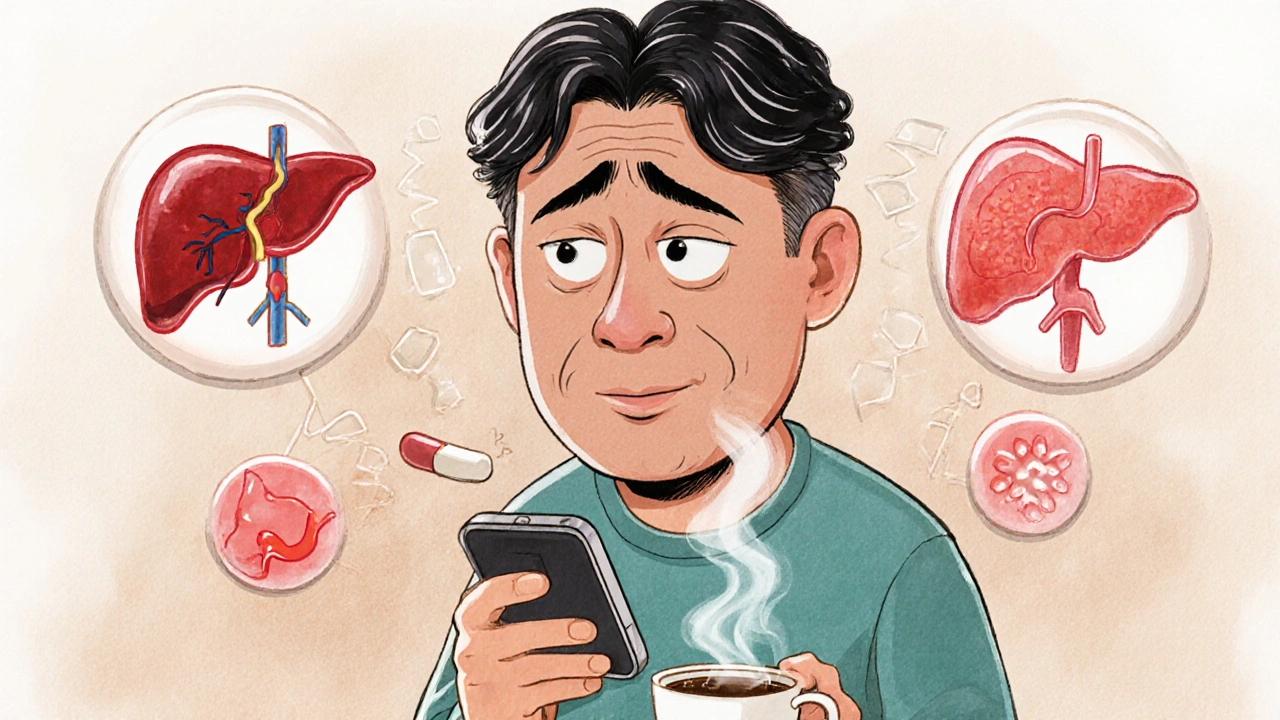
Statins and Diabetes: What You Need to Know About Blood Sugar Changes
Statins can slightly raise blood sugar and increase diabetes risk in some people - especially those with prediabetes or obesity. Learn how to manage this risk without stopping your heart-protecting medication.