Statin Diabetes Risk: What You Need to Know About Cholesterol Drugs and Blood Sugar
When you take a statin, a class of drugs used to lower LDL cholesterol and reduce heart attack risk. Also known as HMG-CoA reductase inhibitors, these medications are among the most prescribed drugs in the world. But if you’ve heard whispers about statin diabetes risk, you’re not imagining things. Multiple large studies, including one published in the Journal of the American Medical Association, show that people on statins have a slightly higher chance of developing type 2 diabetes—especially if they’re already at risk.
This isn’t about scare tactics. It’s about awareness. The atorvastatin, a widely used statin often prescribed for high cholesterol and heart disease prevention, has been linked in clinical data to modest increases in fasting blood sugar and HbA1c levels. Same goes for rosuvastatin, another common statin that shows similar patterns in long-term use. But here’s the catch: the heart benefits still outweigh the diabetes risk for most people. If you’re at high risk for a heart attack, skipping your statin is far more dangerous than the small rise in blood sugar.
Who’s most likely to see this effect? People with prediabetes, obesity, high triglycerides, or metabolic syndrome. Older adults and women also tend to show higher susceptibility. It’s not that statins cause diabetes out of nowhere—they just nudge the system a little harder in people whose bodies are already struggling to manage sugar. That’s why checking your blood sugar before and after starting a statin makes sense. It’s not about stopping the medication. It’s about catching changes early so you can adjust your diet, get moving, or add metformin if needed.
And don’t confuse this with side effects like muscle pain or liver enzyme spikes. The diabetes risk is a separate, slower-moving issue. You won’t feel it. You won’t know it unless you test. That’s why regular checkups matter more than ever when you’re on long-term statin therapy. The good news? Many people on statins never develop diabetes. And those who do often manage it just fine with lifestyle tweaks. You’re not stuck. You’re informed.
Below, you’ll find real-world guides from people who’ve walked this path—how one man lowered his HbA1c while staying on atorvastatin, what diet changes help most, and how to talk to your doctor without sounding like you’re rejecting your meds. These aren’t theoretical tips. They’re from patients who tested their numbers, tracked their results, and found a balance that works.
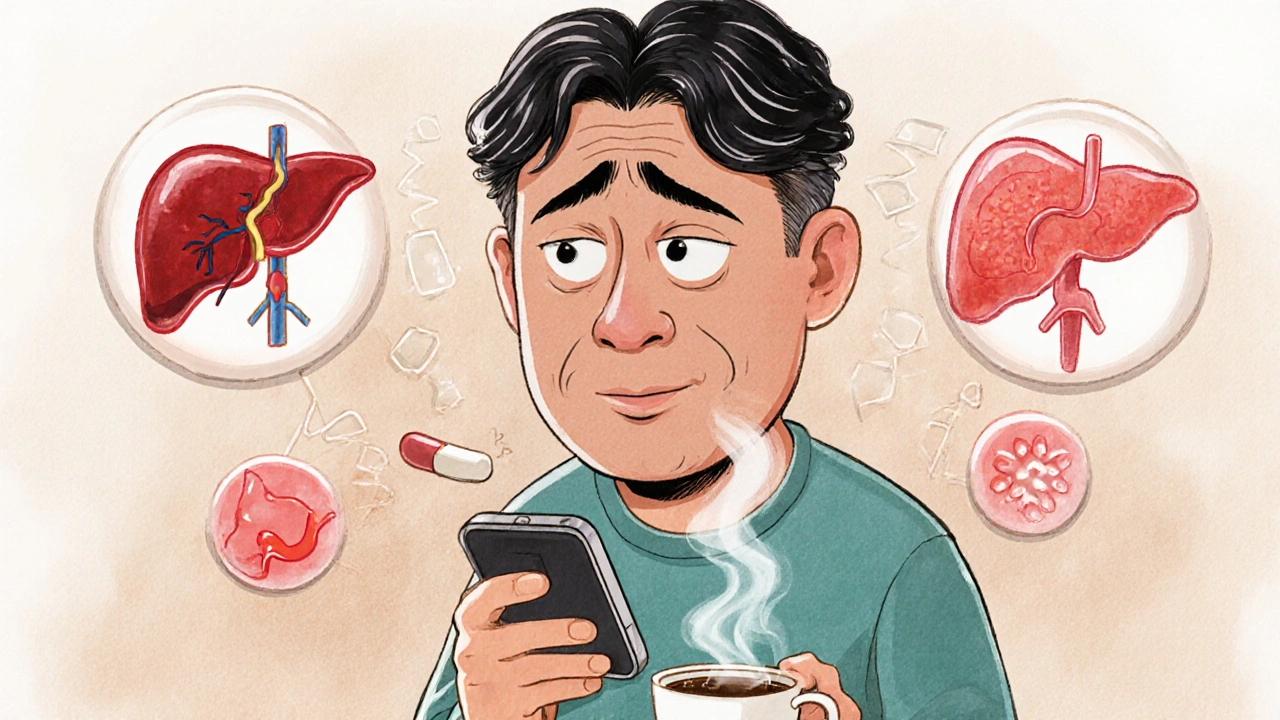
Statins and Diabetes: What You Need to Know About Blood Sugar Changes
Statins can slightly raise blood sugar and increase diabetes risk in some people - especially those with prediabetes or obesity. Learn how to manage this risk without stopping your heart-protecting medication.