Statin Interactions: What You Need to Know About Drugs, Foods, and Risks
When you take a statin, a class of medications used to lower LDL cholesterol and reduce heart attack risk. Also known as HMG-CoA reductase inhibitors, they’re among the most prescribed drugs in the world—but they don’t play well with everything. A simple glass of grapefruit juice, a common supplement, or even another prescription can turn a safe daily pill into a health risk. You might not feel anything right away, but these statin interactions can silently raise your chance of muscle damage, liver stress, or kidney problems.
Not all statins are the same. Atorvastatin and simvastatin are more likely to clash with other substances than pravastatin or rosuvastatin. That’s why knowing your specific drug matters. Grapefruit juice is the big one—it blocks an enzyme your liver uses to break down certain statins, causing too much of the drug to build up in your blood. One grapefruit can affect you for days. Then there are antibiotics like clarithromycin, antifungals like itraconazole, and even some heart rhythm meds like amiodarone. These can all spike statin levels. On the flip side, some supplements like St. John’s wort can make your statin less effective. And if you’re taking a calcium supplement? It’s usually fine, but timing matters—take it a few hours apart from your statin to avoid absorption issues.
People with diabetes, older adults, or those with kidney issues are at higher risk for bad reactions. That’s why checking your full list of meds with your pharmacist isn’t just a good idea—it’s essential. Many don’t realize that over-the-counter pain relievers like ibuprofen can add strain when combined with statins over time. Even your diet plays a role: high-fat meals don’t directly interfere, but they can make cholesterol control harder, forcing your body to work against the statin’s effect.
You don’t have to stop your statin to stay safe. The key is awareness. Keep a simple list of everything you take—prescriptions, vitamins, herbal teas, even occasional supplements. Bring it to every appointment. Ask your doctor or pharmacist: "Could this interact with my statin?" Most interactions are avoidable if you speak up. And if you suddenly feel unexplained muscle pain, weakness, or dark urine, don’t wait—get checked. That could be a sign of rhabdomyolysis, a rare but serious condition tied to statin interactions.
The posts below give you real, practical help: how to build a food-and-medication checklist that actually works, what to watch for when you’re on multiple drugs, how statins affect blood sugar, and which alternatives might be safer for your body. No fluff. No guesswork. Just what you need to take control without sacrificing your heart health.
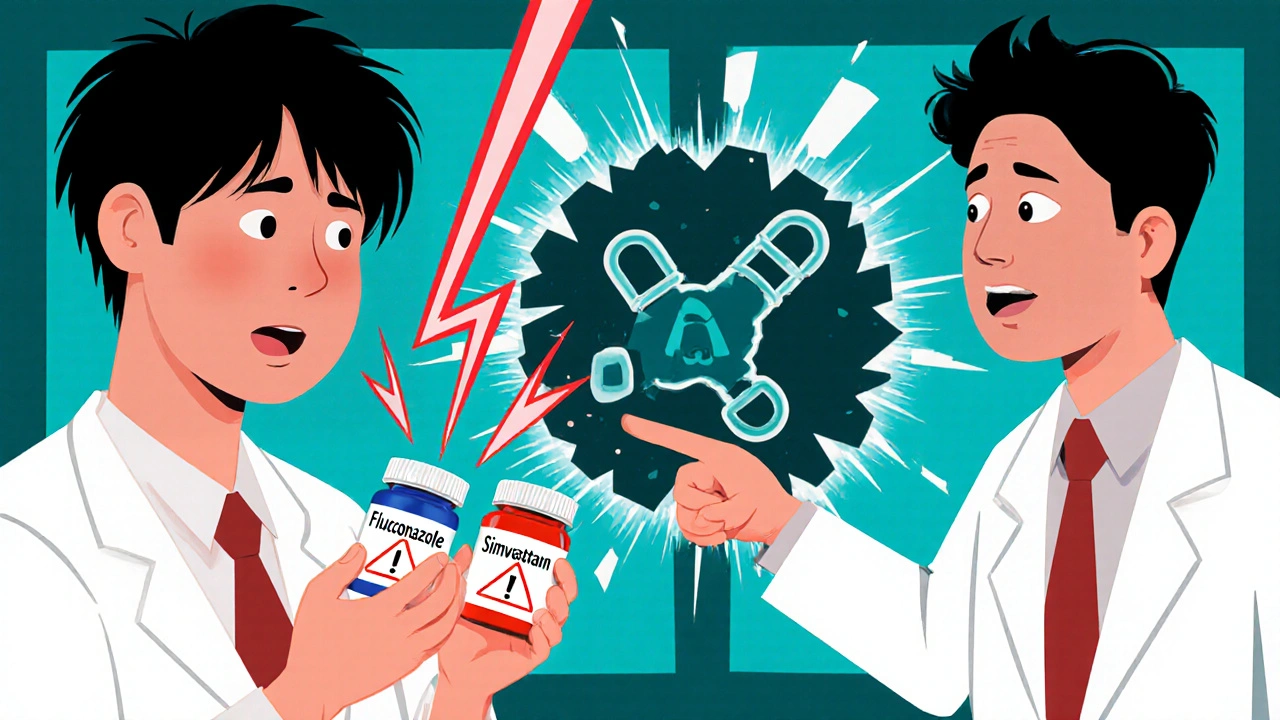
Systemic Antifungals: High-Risk Interactions with Statins and Immunosuppressants
Systemic antifungals like azoles can dangerously increase statin and immunosuppressant levels, raising the risk of muscle damage and kidney failure. Learn which combinations are lethal and how to stay safe.