Statins and Diabetes: What You Need to Know About the Link and How to Manage It
When you take a statin, a class of drugs used to lower LDL cholesterol and reduce heart attack risk. Also known as HMG-CoA reductase inhibitors, they’re among the most prescribed medications worldwide for preventing cardiovascular disease. But if you’re also managing or at risk for type 2 diabetes, a condition where the body doesn’t use insulin properly, leading to high blood sugar, you’ve probably heard whispers: Do statins cause diabetes? The answer isn’t yes or no—it’s more like, here’s what actually happens, and how to handle it.
Studies show that statins slightly increase the chance of developing type 2 diabetes, especially in people who are already at risk—like those with prediabetes, obesity, or metabolic syndrome. But here’s the catch: the heart benefits usually far outweigh the risk. A major study from the Journal of the American College of Cardiology found that for every 255 people taking statins for four years, one extra case of diabetes occurred—but 5.4 major cardiovascular events were prevented. That’s a win. The key isn’t avoiding statins—it’s knowing your numbers. If you’re on a statin, get your fasting blood sugar and HbA1c checked at least once a year. Don’t wait for symptoms. High blood sugar doesn’t always feel like anything until it’s too late.
Not all statins carry the same risk. atorvastatin, a high-intensity statin commonly used for heart protection and rosuvastatin, another potent cholesterol-lowering drug show a slightly higher association with new-onset diabetes than lower-intensity ones like pravastatin or fluvastatin. But again, if you have high LDL or a history of heart disease, switching isn’t always the answer. Instead, focus on what you can control: diet, movement, and weight. Eating fewer refined carbs, walking 30 minutes a day, and losing just 5% of your body weight can cut diabetes risk by more than half—even while you’re on a statin. Talk to your doctor about adding metformin if you’re prediabetic; it’s safe with statins and actually helps protect your heart too.
Some people stop their statin because they’re scared of diabetes. That’s the wrong move. The real danger isn’t the medication—it’s ignoring your numbers. If you’re on a statin and your blood sugar starts creeping up, don’t panic. Adjust your lifestyle. Get moving. Eat clean. Monitor. Work with your provider. You’re not choosing between your heart and your pancreas—you’re learning how to protect both.
Below, you’ll find real-world guides from people who’ve walked this path: how to spot early signs of blood sugar changes, how to talk to your doctor about switching statins if needed, what supplements might help (and which ones to avoid), and how to track your progress without getting overwhelmed. These aren’t theory pieces—they’re practical steps taken by real patients who stayed healthy while staying on their meds.
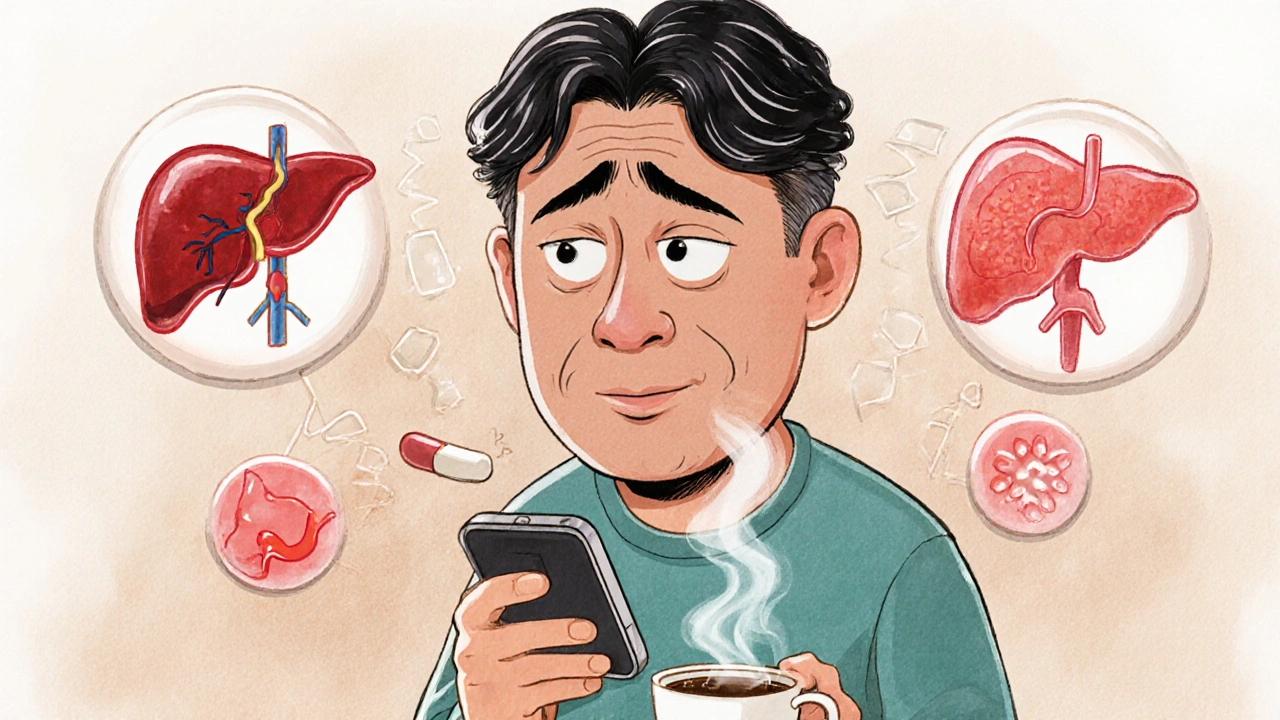
Statins and Diabetes: What You Need to Know About Blood Sugar Changes
Statins can slightly raise blood sugar and increase diabetes risk in some people - especially those with prediabetes or obesity. Learn how to manage this risk without stopping your heart-protecting medication.