Supply Chain Quality Control in Pharmaceuticals: What You Need to Know
When you take a pill, you trust it’s safe, effective, and made the right way. That trust comes from supply chain quality control, the system that checks every step of drug production—from raw ingredients to final packaging—to ensure safety and consistency. Also known as pharmaceutical quality control, it’s not just paperwork; it’s what stops contaminated, weak, or wrong pills from reaching you. Without it, a single error in a factory overseas could lead to a life-threatening reaction here at home.
This system relies on strict rules called CGMP compliance, Current Good Manufacturing Practices enforced by the FDA to guarantee drugs are consistently produced and controlled according to quality standards. These aren’t suggestions—they’re legal requirements. Every batch of medicine must be tested, documented, and traceable. If a factory fails an inspection, the FDA can shut it down. That’s why FDA inspection records, public documents showing what inspectors found during factory visits, including violations and required fixes matter. You can’t see every detail, but you can see if a manufacturer has a history of problems. And when a drug’s appearance changes—like a generic pill turning from blue to white—it’s often because the manufacturer switched suppliers. Supply chain quality control should catch that before it confuses you.
It’s not just about factories. The supply chain includes raw material suppliers, transporters, warehouses, and pharmacies. A temperature spike during shipping can ruin a vaccine. A mislabeled container can send the wrong drug to a hospital. That’s why quality control isn’t a single checkpoint—it’s a chain of checks. Barcode scans, batch tracking, environmental monitoring, and staff training all play a role. Even small errors add up. One study found that over 30% of medication errors linked to manufacturing or distribution were preventable with better tracking.
What you’ll find in the posts below isn’t theory—it’s real-world examples of how quality control works, fails, and gets fixed. You’ll see how FDA inspections uncover hidden risks, why generic pill changes happen without breaking safety rules, and how drug shortages tie back to manufacturing glitches. You’ll learn what to look for in inspection reports, how to spot when a supplier change might affect you, and why some drugs are more vulnerable than others. This isn’t about regulatory jargon. It’s about making sure the medicine in your hand does what it’s supposed to—without surprises.
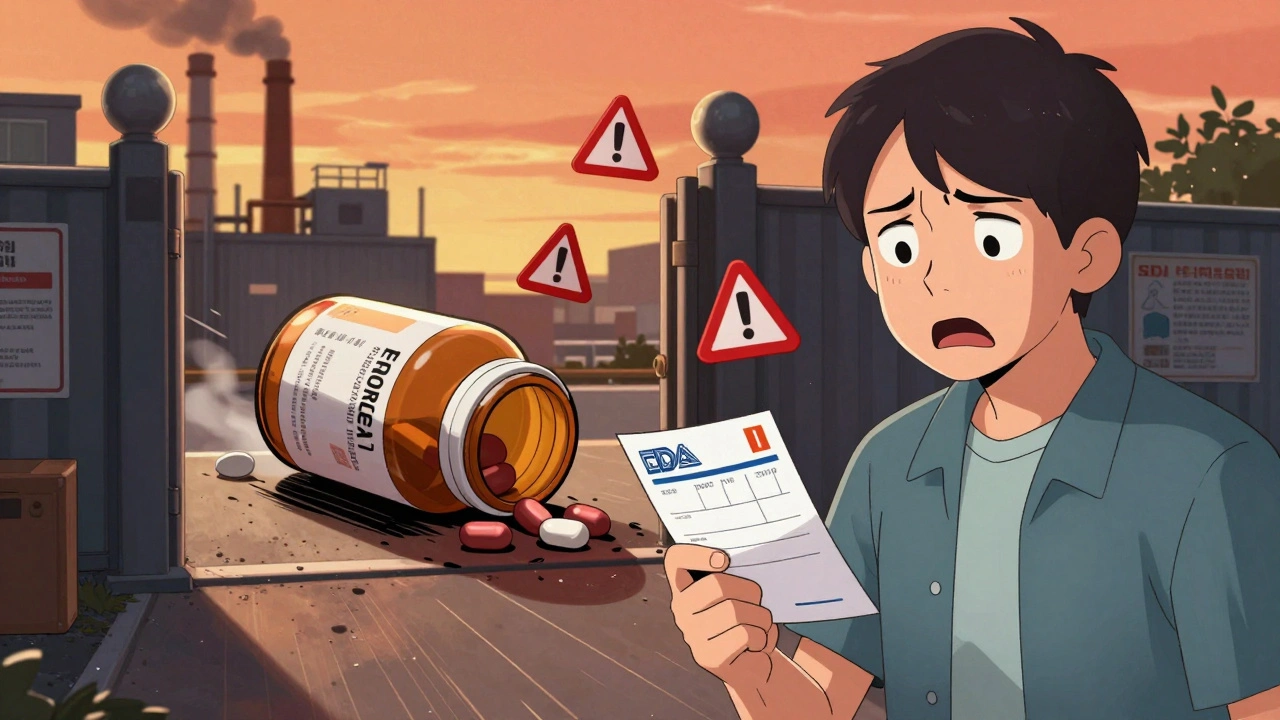
Foreign Manufacturing Quality Issues: How Overseas Production Risks Are Rising in 2025
Foreign manufacturing quality issues are worsening in 2025, with rising FDA drug recalls, material fraud, and unannounced inspections. Learn how overseas production risks affect health products and what companies must do to stay compliant and safe.