
When you have type 2 diabetes, losing weight isn’t just about fitting into smaller clothes-it’s one of the most powerful tools you have to take back control of your health. Many people don’t realize that even a modest 5-7% drop in body weight can slash blood sugar levels, cut medication needs, and sometimes even reverse diabetes altogether. This isn’t theory. It’s backed by decades of clinical trials, real-world results, and guidance from the American Diabetes Association. The truth is, if you’re carrying extra weight and have diabetes, losing it isn’t optional. It’s essential.
Why Weight Loss Matters More Than Ever for Diabetes
Excess fat, especially around the abdomen, doesn’t just sit there. It actively interferes with how your body uses insulin. Fat cells release chemicals that make your muscles and liver resistant to insulin-the hormone that moves sugar from your blood into your cells. When insulin can’t do its job, blood sugar rises. Over time, your pancreas gets worn out trying to pump out more insulin to compensate. That’s when type 2 diabetes takes hold.
Research from the Diabetes Prevention Program (DPP) showed that people with prediabetes who lost just 5-7% of their body weight cut their risk of developing full-blown diabetes by 58%. That’s more effective than taking metformin. And for those already diagnosed? Losing that same amount can lower A1C levels by 0.5% to 1%, sometimes enough to reduce or even eliminate pills. In the DiRECT trial, nearly half of participants with type 2 diabetes achieved remission after losing an average of 10 kg-mostly by following a structured low-calorie diet and keeping the weight off.
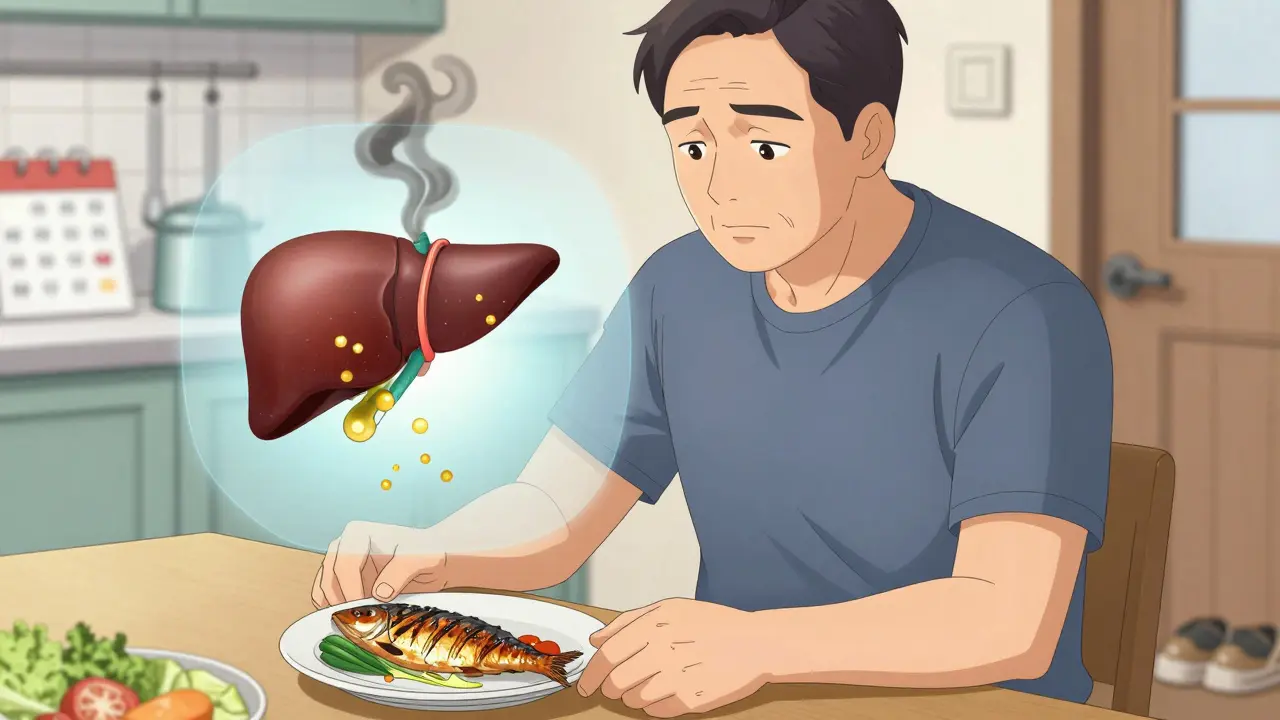
It’s not magic. It’s biology. When you lose fat from your liver and pancreas, those organs start working better again. Fat buildup in the pancreas impairs insulin production. Lose that fat, and your body can often make insulin properly once more.
How Much Weight Should You Aim to Lose?
Forget the scale obsession. You don’t need to drop 50 pounds to see results. The sweet spot is 5-7% of your starting weight. For someone who weighs 200 pounds, that’s 10 to 14 pounds. For someone at 250 pounds, it’s 12.5 to 17.5 pounds. That’s it. And you don’t have to do it all at once. Losing 1-2 pounds per week is sustainable and safe.
But if you can push past that-say, to 10% or even 15%-the benefits skyrocket. In the DiRECT trial, people who lost 15 kg (about 33 pounds) had an 86% chance of putting their diabetes into remission. That’s not a guarantee for everyone, but it shows how powerful sustained weight loss can be.
Here’s what that looks like in real numbers:
- 5% weight loss → Improved insulin sensitivity, lower A1C, reduced blood pressure
- 7% weight loss → Often enough to reduce or stop diabetes medications
- 10%+ weight loss → High chance of diabetes remission
The goal isn’t to be thin. It’s to be healthy. And that’s achievable without extreme diets or gym obsession.
What Works: The Science-Backed Approaches
Not all weight loss plans are created equal-especially when you have diabetes. Some diets can spike blood sugar. Others make you tired or dizzy from low blood sugar. Here’s what actually works, based on the latest studies:
1. Calorie Deficit with Real Food
The core of any successful plan is a calorie deficit-burning more than you eat. The National Institute of Diabetes and Digestive and Kidney Diseases recommends a daily deficit of 500 to 750 calories. That means losing about 1 to 1.5 pounds per week.
But here’s the catch: don’t just cut calories. Cut the wrong calories. Swap out sugary drinks, white bread, and processed snacks for whole foods. Focus on:
- High-fiber vegetables (broccoli, spinach, Brussels sprouts)
- Lean proteins (chicken, fish, tofu, eggs)
- Healthy fats (avocado, nuts, olive oil)
- Whole grains in moderation (oats, quinoa, barley)
The ADA recommends at least 14 grams of fiber for every 1,000 calories you eat. That’s about 35-40 grams a day for most people. Fiber slows sugar absorption, keeps you full longer, and helps your gut bacteria stay healthy.
2. The Mediterranean Diet
This isn’t a fad. It’s a lifestyle. The Mediterranean diet is rich in vegetables, fish, olive oil, beans, and nuts-and low in red meat and added sugar. In the DiRECT trial, this approach led to 46% remission at one year. Why? Because it’s sustainable. People don’t feel deprived. They eat satisfying meals that naturally keep blood sugar stable.
3. Strength Training + Cardio
Exercise isn’t just about burning calories. It’s about rebuilding your body’s ability to use insulin. The CDC recommends 150 minutes of moderate activity per week-like brisk walking, swimming, or cycling. But here’s what most people miss: strength training twice a week is just as important.
Muscle is your body’s sugar sponge. More muscle = better insulin sensitivity. Lifting weights or doing bodyweight exercises (squats, push-ups, lunges) helps your muscles soak up glucose without needing as much insulin. A 2023 study found that people who added strength training after hitting a weight loss plateau lost an extra 3-5 pounds and saw better A1C drops than those who only did cardio.
4. GLP-1 Medications (When Appropriate)
For some, lifestyle changes alone aren’t enough. That’s where medications like semaglutide (Wegovy) and tirzepatide (Mounjaro) come in. These drugs reduce appetite and slow digestion, helping people lose 15-20% of their body weight. In the SURMOUNT-2 trial, tirzepatide led to an average 20.9% weight loss over 72 weeks.
But they’re not for everyone. Side effects like nausea, vomiting, or diarrhea can be tough. And they’re expensive. They’re best used alongside diet and exercise-not as a replacement. If you’re considering them, talk to your doctor about whether they fit your health profile.
What Doesn’t Work (and Why)
There’s a lot of noise out there. Keto? Intermittent fasting? Juice cleanses? Some might help short-term, but they often backfire for people with diabetes.
- Very low-carb diets (like keto): Can cause dangerous blood sugar swings, especially if you’re on insulin or sulfonylureas. Risk of hypoglycemia spikes.
- Extreme fasting: Can trigger low blood sugar, dizziness, and muscle loss. Not safe without medical supervision.
- Weight-loss supplements: Most are unregulated. Some contain hidden stimulants that raise blood pressure or heart rate.
- Medications that cause weight gain: Insulin and sulfonylureas (like glipizide) can make weight loss harder. Ask your doctor if switching to a weight-neutral or weight-loss-friendly drug (like SGLT2 inhibitors or GLP-1 agonists) is right for you.
One user on Reddit shared: “I tried keto for 3 months. Lost 15 pounds. But my A1C went up because my body was in stress mode. Switched back to balanced meals and lost 20 pounds the next year-without crashing.”
How to Stay on Track (And Avoid Plateaus)
Weight loss isn’t linear. You’ll have weeks where the scale doesn’t budge. That’s normal. Here’s how to push through:
- Track your food: Apps like MyFitnessPal or Cronometer help you see hidden calories. Don’t guess-measure. A cup of rice is 200 calories. A handful? Could be 300.
- Use smaller plates: It’s psychology. A 9-inch plate makes a normal portion look full. A 12-inch plate? You’ll eat more without realizing it.
- Move every day: Even if you can’t hit the gym, walk after dinner. Park farther away. Take the stairs. Small movements add up.
- Monitor your blood sugar: If you’re on insulin, check your levels before and after meals. You might need to adjust your dose as you lose weight and become more sensitive to insulin.
- Find your tribe: Join a support group. Talk to others who’ve been there. The American Diabetes Association’s Community platform has thousands of real stories. One user lost 22 pounds in 6 months by following DPP guidelines and said, “My A1C dropped from 7.2% to 5.9%.”
And don’t wait for the scale to tell you you’re succeeding. Notice how your clothes fit. How you sleep. How much energy you have. Those are real wins.

What Your Doctor Should Be Doing
You shouldn’t have to figure this out alone. Your healthcare team should be actively helping you lose weight-not just treating your blood sugar numbers.
Ask for:
- A referral to a certified diabetes care and education specialist (CDCES). These professionals give you personalized plans. Studies show people who work with them lose 2.3 times more weight than those who don’t.
- A Medicare Diabetes Prevention Program (MDPP) referral if you’re eligible. It’s free for Medicare beneficiaries and includes 16 core sessions plus ongoing support.
- A medication review. Are you on drugs that cause weight gain? Ask about switching to SGLT2 inhibitors (like empagliflozin) or GLP-1 agonists.
- Regular weight check-ins. Your doctor should track your weight every 1-2 months during active loss, not just your A1C.
If your doctor doesn’t bring up weight loss, bring it up first. It’s your health. You deserve a team that treats it as a priority.
Real People, Real Results
Let’s cut through the noise with real stories:
- James, 58, Birmingham: Diagnosed with type 2 diabetes in 2022. Weight: 240 lbs. Started walking 30 minutes daily and swapped soda for sparkling water. Lost 26 lbs in 8 months. Stopped metformin. Now walks 5 days a week. “I feel like I’m 40 again.”
- Maria, 45: Tried GLP-1 meds but got terrible nausea. Switched to a Mediterranean-style plan with portion-controlled meals. Lost 33 lbs over a year. Her A1C dropped from 8.1% to 5.7%. “I didn’t feel hungry. I felt satisfied.”
- David, 62: Hit a plateau at 18 lbs lost. Added two days of resistance training. Lost another 12 lbs in 3 months. “I didn’t know lifting weights would help my blood sugar. Now I do.”
These aren’t outliers. They’re proof that consistent, smart changes work.
What to Do Next
You don’t need a perfect plan. You just need to start.
- Calculate 5% of your current weight. That’s your first goal.
- Swap one sugary drink for water or tea every day.
- Walk for 15 minutes after dinner, five days a week.
- Write down everything you eat for three days. No judgment-just awareness.
- Call your doctor and ask: “Can we talk about my weight and how it’s affecting my diabetes?”
It’s not about being perfect. It’s about being consistent. One small change at a time. That’s how people reverse diabetes-not with miracle pills or extreme diets, but with steady, smart, sustainable choices.
Your body isn’t broken. It’s just been overloaded. Give it the right fuel, the right movement, and the right support-and it will respond. You’ve got this.
Can losing weight really reverse type 2 diabetes?
Yes, for many people. Studies like the DiRECT trial show that losing 10-15 kg (22-33 lbs) can normalize fat levels in the liver and pancreas, allowing insulin production to return to normal. About 46% of participants in that trial achieved remission after one year. Remission means blood sugar levels stay in the normal range without medication. It’s not a cure, but it’s a major win.
How much weight do I need to lose to see improvements?
As little as 5% of your body weight can make a big difference. For someone weighing 200 pounds, that’s 10 pounds. This often leads to lower blood sugar, reduced blood pressure, and less need for medication. Losing 7% or more can put diabetes into remission for many people. The goal isn’t perfection-it’s progress.
Is it safe to lose weight if I’m on insulin?
Yes, but you need medical supervision. As you lose weight, your body becomes more sensitive to insulin. That means you might need lower doses to avoid dangerous low blood sugar. Never change your insulin dose on your own. Talk to your doctor before starting a weight loss plan. They may adjust your insulin or switch you to a medication that’s safer for weight loss.
What’s the best diet for someone with type 2 diabetes trying to lose weight?
There’s no single “best” diet, but the Mediterranean diet has the strongest evidence. It’s rich in vegetables, healthy fats, lean proteins, and whole grains-and low in added sugar and processed foods. It’s also sustainable. Other effective approaches include portion-controlled, lower-carb diets with high fiber. Avoid extreme diets like keto unless closely monitored by a doctor.
Why am I not losing weight even though I’m eating less?
Several things could be happening. You might be underestimating how much you’re eating. Portion sizes creep up. Medications like insulin or sulfonylureas can make weight loss harder. Lack of muscle mass slows metabolism. Stress and poor sleep also interfere. Try adding strength training twice a week, tracking food accurately, and checking in with your doctor about your meds. Plateaus are normal-keep going.
Can I use weight-loss apps to help manage my diabetes?
Yes, and many people find them helpful. Apps like MyFitnessPal or Noom help track food, portions, and activity. Some even sync with glucose monitors. Studies show people using digital tools lose 3.5-5.5% more weight than those relying on standard care. Just make sure the app lets you log blood sugar readings too. Combine it with professional advice for best results.
Are there free programs available to help me lose weight with diabetes?
Yes. In the U.S., the Medicare Diabetes Prevention Program (MDPP) is free for Medicare beneficiaries and includes 16 core sessions plus ongoing support. Many community centers and YMCAs also offer CDC-recognized programs. Even if you’re not on Medicare, check with your insurance-some private plans cover these programs too. They’re led by trained coaches and focus on real-life changes, not quick fixes.
Start small. Stay consistent. And remember-you’re not fighting your body. You’re helping it heal.

Ian Glover
My name is Maxwell Harrington and I am an expert in pharmaceuticals. I have dedicated my life to researching and understanding medications and their impact on various diseases. I am passionate about sharing my knowledge with others, which is why I enjoy writing about medications, diseases, and supplements to help educate and inform the public. My work has been published in various medical journals and blogs, and I'm always looking for new opportunities to share my expertise. In addition to writing, I also enjoy speaking at conferences and events to help further the understanding of pharmaceuticals in the medical field.
14 Comments
-
Pat Dean
January 19, 2026 AT 19:31Oh great, another ‘just lose 5%’ miracle cure from the diabetes industrial complex. Meanwhile, Big Pharma is selling GLP-1 drugs for $1,000 a month while you’re told to eat broccoli. Wake up.
-
Jake Moore
January 20, 2026 AT 01:38Real talk: the 5-7% rule isn’t just a number-it’s science. I lost 14 lbs at 220, went from 8.1 A1C to 6.0 in 6 months. No meds changed. Just food, walking, and sleep. No magic. Just consistency. You can do this.
-
Andrew Short
January 20, 2026 AT 07:34Anyone else notice how every ‘expert’ ignores that insulin resistance is caused by chronic stress and cortisol, not just carbs? You can eat kale all day but if you’re sleeping 5 hours and yelling at your kids, you’re not fixing anything. This post is dangerously oversimplified.
-
Danny Gray
January 20, 2026 AT 22:12What if the real problem isn’t weight? What if it’s the cultural obsession with weight as moral virtue? We’ve turned biology into a sin. You’re not broken because you’re fat-you’re broken because the system told you you were. Maybe the real cure is rejecting the narrative.
-
Praseetha Pn
January 21, 2026 AT 17:30Oh honey, you think this is about broccoli? Try living on $12 a week for groceries in a food desert and then tell me about ‘whole foods.’ My cousin’s A1C is 9.5 and she works two jobs. You don’t get to preach sustainability when your groceries cost more than your rent.
-
Nishant Sonuley
January 23, 2026 AT 17:19Look, I get it. You want to feel like you’ve ‘won’ by losing weight. But let’s be real-most people who reverse diabetes via weight loss end up gaining it back in 2-3 years because the system doesn’t support them. We’re treating symptoms, not the root: poverty, trauma, and healthcare neglect. The ‘you can do it’ attitude is just capitalism in a yoga mat.
-
Emma #########
January 25, 2026 AT 11:51I just wanted to say thank you for this post. I’ve been scared to talk about my diabetes for years. Reading this made me feel like I’m not alone. I’m starting with one walk a day. That’s enough for today.
-
Andrew McLarren
January 25, 2026 AT 14:09While the empirical evidence supporting modest weight loss as a therapeutic intervention for type 2 diabetes is robust, one must also acknowledge the heterogeneity of metabolic responses across phenotypic subgroups. The DiRECT trial, while methodologically rigorous, excluded individuals with advanced beta-cell dysfunction, thus limiting generalizability.
-
Ryan Otto
January 27, 2026 AT 11:21Let’s not forget that the American Diabetes Association receives funding from pharmaceutical giants. The ‘5% weight loss’ narrative conveniently redirects attention away from insulin pricing and corporate greed. This isn’t medicine-it’s marketing dressed as prevention.
-
Tyler Myers
January 27, 2026 AT 11:44GLP-1 drugs? Oh sure, because nothing says ‘health’ like injecting yourself with a drug that makes you puke so you can look good in a swimsuit. Meanwhile, your pancreas is still rotting. This isn’t healing-it’s chemical surrender.
-
Robert Cassidy
January 27, 2026 AT 18:45They told us sugar was the enemy. Then it was fat. Now it’s weight. Next it’ll be our DNA. They’re not trying to heal us-they’re trying to control us. The real cure? Stop trusting institutions that profit from your suffering.
-
Naomi Keyes
January 29, 2026 AT 00:56Correction: The DiRECT trial’s remission rate was 46% at 1 year-but only 28% at 2 years. And 78% of those who regained weight had resumed insulin use. So… ‘reversal’ is temporary. The post is misleading. You’re not ‘cured.’ You’re on borrowed time.
-
Max Sinclair
January 30, 2026 AT 19:49Thanks for sharing your story, Emma. I’ve been where you are. One walk a day is huge. I started with one lap around my block. Now I hike on weekends. Progress, not perfection. You’re doing better than you think.


Write a comment
More Articles

Tips for preventing fungal infections and the need for ketoconazole treatment
In my latest blog, I've shared some handy tips for preventing fungal infections so you can potentially avoid the need for treatments like ketoconazole. We dive into the importance of maintaining good hygiene, keeping your skin dry and clean, and wearing breathable fabrics to prevent a conducive environment for fungi. We also touch on the importance of a healthy diet to boost your immune system. If you do get an infection, don't panic because treatments like ketoconazole are there to help. But remember, prevention is always better than cure!
The Role of Antiviral Medications in Shingles Treatment
As a blogger, I've recently come across an interesting topic - the role of antiviral medications in shingles treatment. Shingles is a painful skin rash caused by the varicella-zoster virus, the same virus responsible for chickenpox. Antiviral medications play a crucial role in treating shingles by reducing the severity and duration of the symptoms. They work best when taken early in the course of the illness, ideally within 72 hours of the rash appearing. In conclusion, antiviral medications are an essential component in shingles treatment, providing relief and preventing complications.

Joni O
January 18, 2026 AT 20:58Just started walking after dinner like the post said-15 minutes, no excuses. Already slept better last night. Not even 2 weeks in and my jeans feel looser. Small wins, y’all. Keep going.