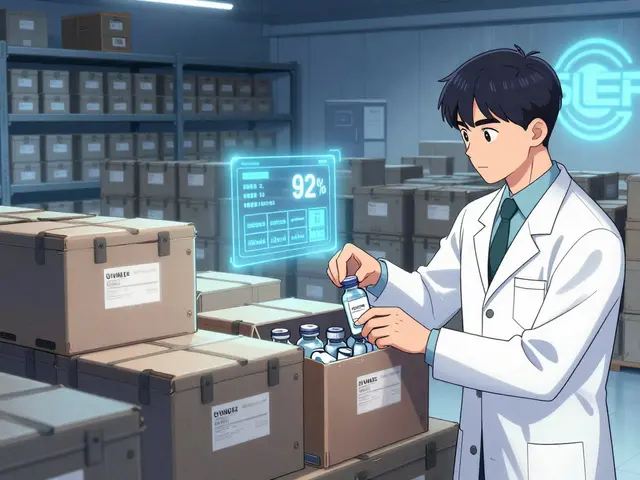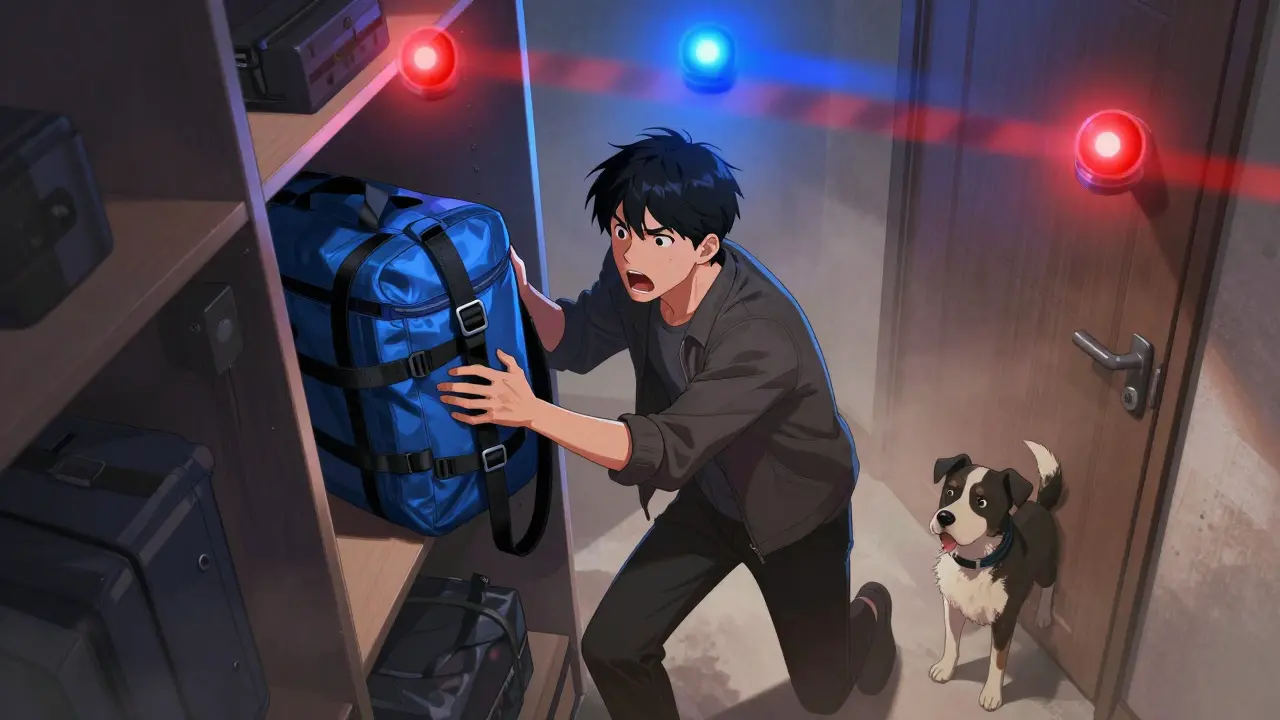
Imagine the sirens are blaring, and you have less than ten minutes to leave your home. You grab your keys, your wallet, and your dog-but do you have your heart medication or insulin? For many of us, the thought of a sudden evacuation is stressful, but the reality of missing critical prescriptions is dangerous. In the chaos of a disaster, pharmacy shutters close and roads block, leaving you to rely entirely on what you carried out the door. A medication go-bag is not just a kit; it is your lifeline to health stability when the rest of the world is in turmoil.
What Exactly is a Medication Go-Bag?
At its core, Medication Go-Bag is a portable, water-resistant collection of essential medications and health documentation designed for immediate access during an emergency evacuation. It differs from a standard first-aid kit because it focuses on continuity of care for chronic conditions rather than just treating a cut or a burn. The goal is to bridge the gap during the first 72 hours-the critical window where emergency services are most strained and professional healthcare may be unavailable.
While guidelines from the Federal Emergency Management Agency (FEMA) suggest a 7-day supply, some experts recommend pushing that to 14 days. Why the difference? Because disasters like wildfires or hurricanes often leave people displaced for longer than a week. If you've ever had a pharmacy delay or a closed road, you know that a few days of missing medication can lead to a medical crisis that compounds the existing disaster.
The Essential Checklist: What to Pack
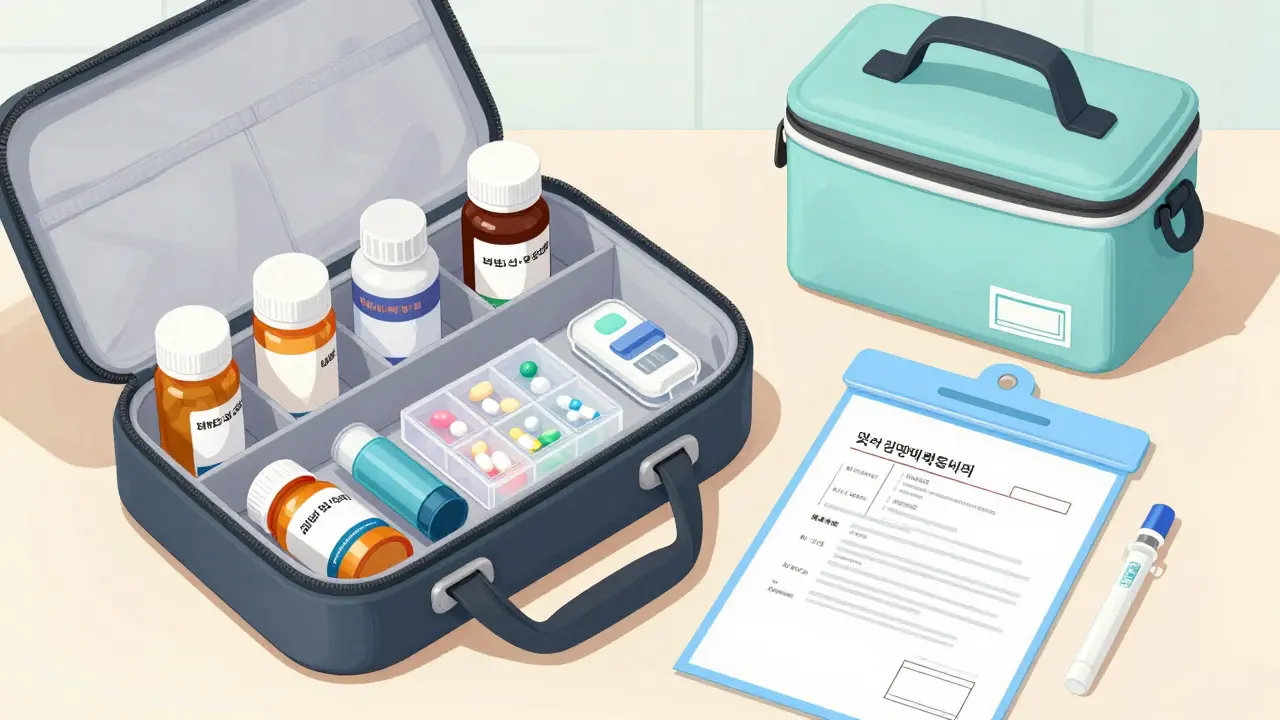
You don't need to pack your entire medicine cabinet, but you do need a strategic selection of drugs and data. If you're building your kit today, start with these three categories:
1. Prescription and Over-the-Counter (OTC) Meds
- Critical Prescriptions: Blood pressure meds, insulin, asthma inhalers, and anticoagulants. These are the non-negotiables.
- Preventative OTCs: Antacids, pain relievers (like ibuprofen or acetaminophen), and anti-diarrheals. In shelters, stomach bugs spread fast.
- Symptom Management: Antihistamines for allergies or cough suppressants.
2. The Paper Trail (Documentation)
In a crisis, you might be treated by a paramedic or doctor who has never seen your medical records. Your go-bag should include a waterproof folder containing:
- A complete list of all current medications, including dosages and the reason you take them.
- A list of known drug allergies.
- Contact information for your primary care physician and your preferred pharmacy.
- Copies of insurance cards and government ID.
3. Supporting Hardware
Medication is useless if it's ruined by water or heat. Pack your supplies in a water-resistant bag and include a few pill organizers with clear date labels to keep your regimen simple when you're stressed.
| Organization | Recommended Duration | Primary Focus |
|---|---|---|
| FEMA / American Red Cross | 7 Days | General Disaster Preparedness |
| Alert San Diego | 14 Days | High-Risk Zones (Earthquakes/Fires) |
| CDC (for chronic conditions) | 14 Days | Vulnerable Populations/Seniors |
Solving the Temperature Problem
One of the biggest pitfalls in emergency planning is ignoring the "cold chain." If you rely on Insulin or other biologics, a standard bag isn't enough. Heat can degrade these medications, turning a life-saving drug into an ineffective liquid. This is a major risk during power outages or when spending hours in a hot car during evacuation.
To combat this, look into specialized cooling solutions. Products like the Frio Wallet use evaporative cooling to keep medications safe without needing a fridge. For more high-tech needs, the MedAngel ONE system provides smartphone alerts if your go-bag exceeds safe temperature ranges. If you don't have these, your best bet is to keep your meds in a small, insulated cooler bag with gel packs, though these only last a limited time.
Maintenance: The "Rotate and Refresh" Strategy
A go-bag is not a "set it and forget it" project. Medications expire, and your prescriptions change. If you pack a bag in 2024 and don't look at it until a 2026 emergency, you might be taking expired drugs that have lost their potency-which is particularly dangerous for things like epinephrine auto-injectors.
Try this system to keep your kit current:
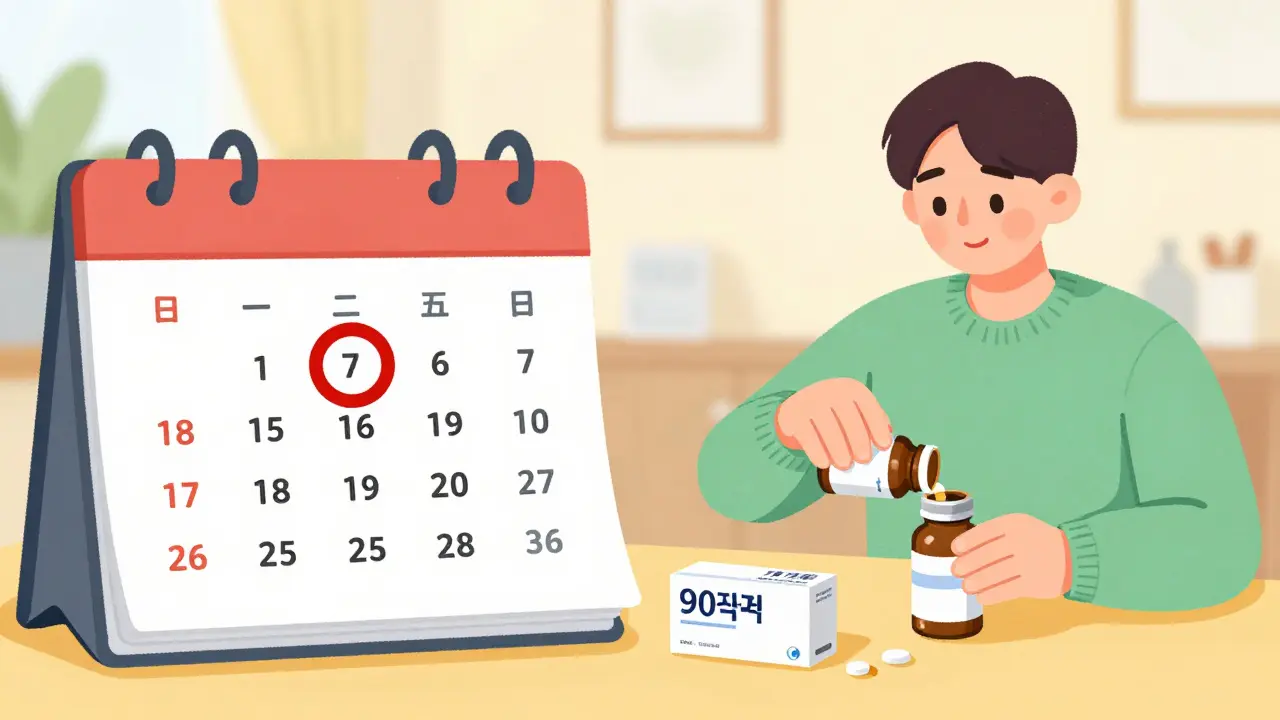
- The Refill Hack: Ask your doctor for 90-day refills instead of 30. This gives you a larger buffer and makes it easier to peel off a few weeks' worth for your go-bag without running out for your daily use.
- The Calendar Reminder: Mark your calendar every six months (e.g., January and July) to check expiration dates.
- The Rotation Method: When you get a new prescription, replace the old ones in your go-bag with the newest batch and move the older (but still valid) pills into your daily home organizer.
Navigating Pharmacy Laws in a Crisis
What happens if you lose your bag or run out of meds before you reach a safe zone? The good news is that the FDA has provided guidance that allows for more flexibility during disasters. In many regions, pharmacists are permitted to dispense emergency supplies of critical medications without a new doctor's authorization during a declared state of emergency.
However, this isn't a guarantee. Relying on a stranger's pharmacy in a disaster zone is a gamble. Having your detailed medication list (including the generic name of the drug, not just the brand) makes it significantly easier for a pharmacist to help you quickly and accurately, reducing the risk of drug interactions.
Where should I store my medication go-bag?
Store your bag in a cool, dry place that is easy to reach in a hurry, such as a high shelf in your bedroom closet. Ensure it is secure and away from children to prevent accidental ingestion, but not so hidden that you'll forget it during a panicked exit.
Can I just use a generic first-aid kit?
No. A first-aid kit is designed for acute injuries (cuts, burns, sprains). A medication go-bag is designed for chronic health maintenance. You need both: the first-aid kit for the accident and the go-bag to keep your chronic conditions stable.
What if my medication requires refrigeration?
Use specialized cooling pouches like Frio Wallets or insulated containers with gel packs. Be aware that these have time limits. If you are displaced for a long period, prioritize reaching a medical facility or pharmacy that can provide refrigerated storage.
Should I keep medications in their original bottles?
Yes. Original containers have the pharmacy label, which includes the drug name, dosage, and prescribing doctor. This is vital for emergency responders to verify what you are taking. If you use a pill organizer for convenience, keep the original bottles in the bag as well.
How often should I check my go-bag?
Check your kit at least twice a year. This allows you to replace expired medications and update your medical documentation if your dosages or health conditions have changed.
Next Steps for Your Peace of Mind
If you're starting from scratch, don't try to do it all in one afternoon. Begin by writing your medication list today-that's the most valuable piece of information you can own. Next, talk to your pharmacist about 90-day refills to make stockpiling easier. Finally, invest in a sturdy, waterproof bag. Whether you're dealing with a sudden storm or a long-term evacuation, having your health in your hand takes a massive amount of weight off your shoulders.

Ian Glover
My name is Maxwell Harrington and I am an expert in pharmaceuticals. I have dedicated my life to researching and understanding medications and their impact on various diseases. I am passionate about sharing my knowledge with others, which is why I enjoy writing about medications, diseases, and supplements to help educate and inform the public. My work has been published in various medical journals and blogs, and I'm always looking for new opportunities to share my expertise. In addition to writing, I also enjoy speaking at conferences and events to help further the understanding of pharmaceuticals in the medical field.
More Articles
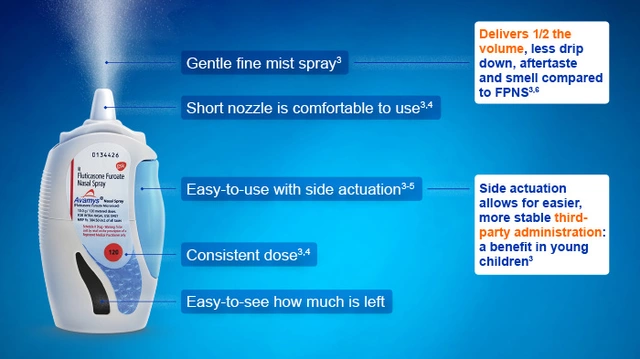
Fluticasone for Travelers: Managing Allergies on the Go
As a traveler, I've found that fluticasone is a game changer in managing allergies on the go. This nasal spray helps reduce inflammation and control common allergy symptoms, allowing me to fully enjoy my trips without constantly sneezing or dealing with itchy eyes. It's easy to pack and use, making it a must-have in my travel essentials. I highly recommend fluticasone for fellow travelers who suffer from allergies, as it makes exploring new places so much more enjoyable. Remember to consult with your doctor before using any medication, especially if you're planning an adventure abroad!