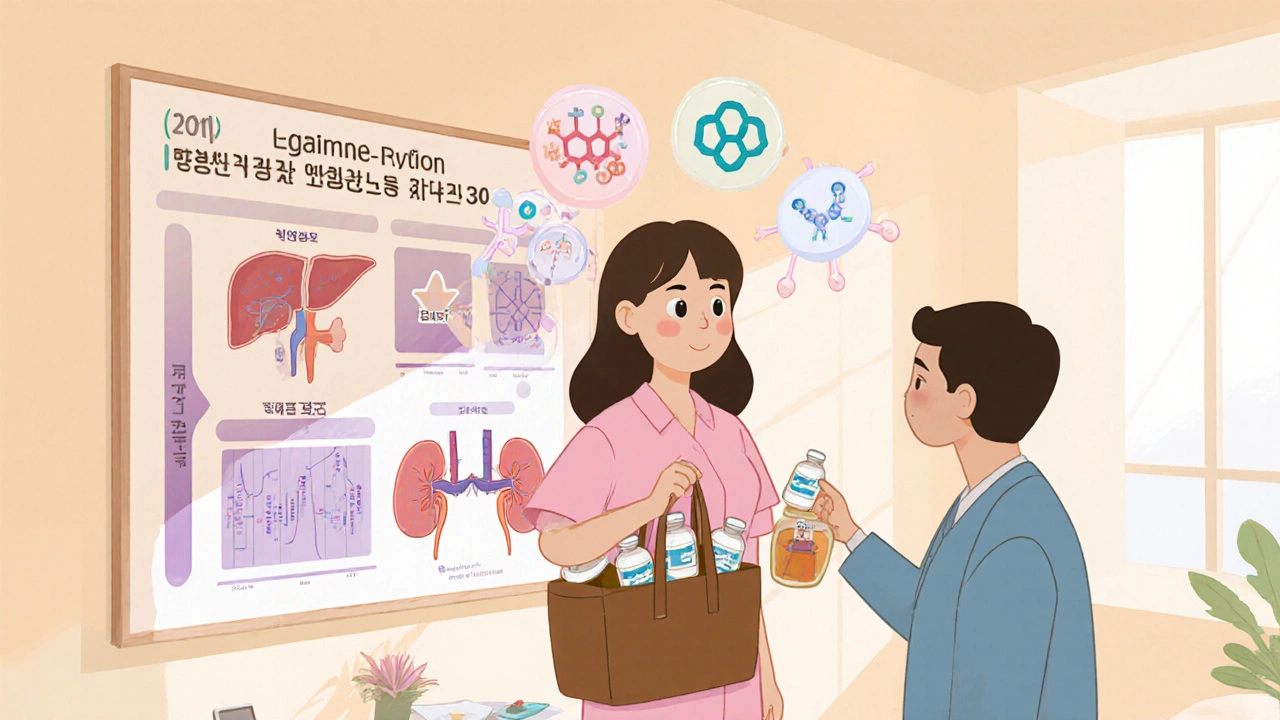
Medication Safety Checker for Post-Menopausal Women
Check Your Medication Safety
Enter your medications below to identify potential risks specific to post-menopausal women. Based on the Beers Criteria and clinical guidelines.
When you’re past menopause, your body doesn’t just change-it rewires how medicines work. What was safe at 45 might be risky at 65. Many women in this stage take four or five prescriptions daily, often from different doctors, and many don’t realize how much their metabolism, liver function, and kidney clearance have shifted. The result? A higher chance of side effects, hospital visits, and dangerous drug interactions. This isn’t about fear-it’s about facts. And the facts show that with the right approach, you can stay healthy without unnecessary risk.
Why Medications Act Differently After Menopause
Your hormones don’t just control hot flashes and sleep. They affect how your liver breaks down drugs, how your kidneys filter them, and how your body absorbs them. After menopause, estrogen drops sharply. That changes the way your body handles common meds like blood pressure pills, statins, and even painkillers. For example, oral estrogen increases clotting risk by 30-50% compared to patches because it goes straight through the liver first. That’s why transdermal estrogen-applied through the skin-is often safer for women with a history of blood clots, even if they don’t know they’re at risk.And it’s not just hormones. As you age, your body carries more fat and less muscle. That means fat-soluble drugs like diazepam or some antidepressants stick around longer. Water-soluble drugs like antibiotics or diuretics clear faster. If your doctor doesn’t adjust doses for these changes, you could end up with too much drug in your system-or too little.
Hormone Therapy: The Real Risks and What Actually Works
Hormone therapy (HT) is still the most effective treatment for severe hot flashes and night sweats. But it’s not one-size-fits-all. The Endocrine Society and U.S. Preventive Services Task Force agree: HT should be used at the lowest dose for the shortest time needed. And it’s not just about estrogen.Women who still have a uterus need progesterone too, to protect the lining of the womb. But combined estrogen-progestin therapy raises breast cancer risk by 24% after five years, according to the Women’s Health Initiative. Estrogen alone-only for women who’ve had a hysterectomy-doesn’t carry that same risk. In fact, it may slightly lower it.
Transdermal estrogen (patches, gels, sprays) cuts the risk of blood clots by nearly half compared to pills. That’s huge for women with high triglycerides, diabetes, or a family history of clots. The 2018 Menopause journal meta-analysis found transdermal estrogen has a 2.3-fold lower risk of venous thromboembolism than oral. That’s not a small difference-it’s a game-changer.
And then there’s tibolone. It’s used in Europe for hot flashes and bone protection, but it’s not approved in the U.S. Why? Because it raises stroke risk by 58% in older women, even if it helps bones. That’s not a trade-off most doctors are willing to make.
Non-Hormonal Options That Actually Help
Not everyone wants hormones. And that’s okay. There are effective alternatives.SSRIs like paroxetine and venlafaxine can reduce hot flashes by 50-60%. But they come with a cost: sexual side effects. Up to 40% of women report reduced libido or trouble reaching orgasm. That’s a real trade-off. Some women find relief with gabapentin or clonidine, though those can cause dizziness or dry mouth.
And don’t overlook lifestyle. Cooling techniques, avoiding spicy food and alcohol, and practicing paced breathing can cut hot flash frequency by 30%. It’s not a magic fix, but it’s free, safe, and works for many.
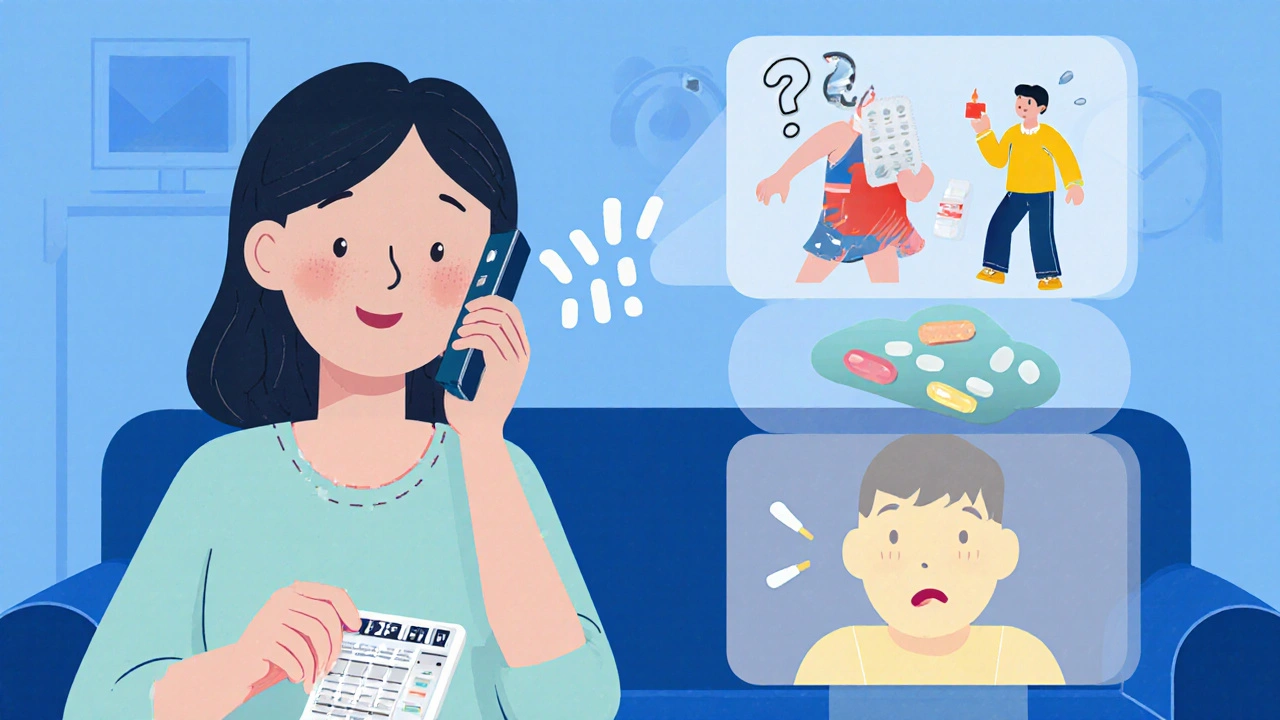
Polypharmacy: When Too Many Pills Become Dangerous
Forty-four percent of postmenopausal women take five or more medications. That’s not unusual. But here’s the problem: each new drug adds risk. The World Health Organization says 40% of older adults get prescriptions from multiple doctors-no one’s seeing the full picture.One woman I know took diclofenac for arthritis, simvastatin for cholesterol, enalapril for blood pressure, and atenolol for heart rate. She developed a bleeding ulcer. Her hemoglobin dropped from 12.5 to 8.1 in a week. She didn’t know NSAIDs like diclofenac can cause serious stomach bleeding, especially with blood thinners or in older women. Her doctor never asked about all her meds.
The Beers Criteria lists 30 medications to avoid after 65. That includes long-acting benzodiazepines like diazepam-these increase hip fracture risk by 50%. Yet they’re still prescribed for sleep or anxiety. The same goes for anticholinergics like diphenhydramine (Benadryl). They’re in sleep aids, allergy meds, and even some bladder pills. But they fog your brain, raise fall risk, and may even increase dementia risk over time.
Deprescribing: The Art of Letting Go
The goal isn’t just to add meds-it’s to take some away. That’s called deprescribing. And it’s not risky if done right.Studies show that structured deprescribing cuts medication burden by 1.4 drugs per person and reduces adverse events by 33%. But it takes time. You can’t stop a beta-blocker or antidepressant overnight. Tapering takes weeks-sometimes months. Benzodiazepines need 8 to 12 weeks. Antidepressants, 4 to 8.
Ask your doctor: "Is this still necessary?" Use the START/STOPP criteria, a tool doctors use to spot overprescribing and underprescribing. It flags 116 inappropriate meds and 81 that should be added. For example: Do you need a daily aspirin if you have no heart disease? It might do more harm than good. Or: Are you on a statin after 75 with no history of heart issues? The evidence gets weaker after that age.
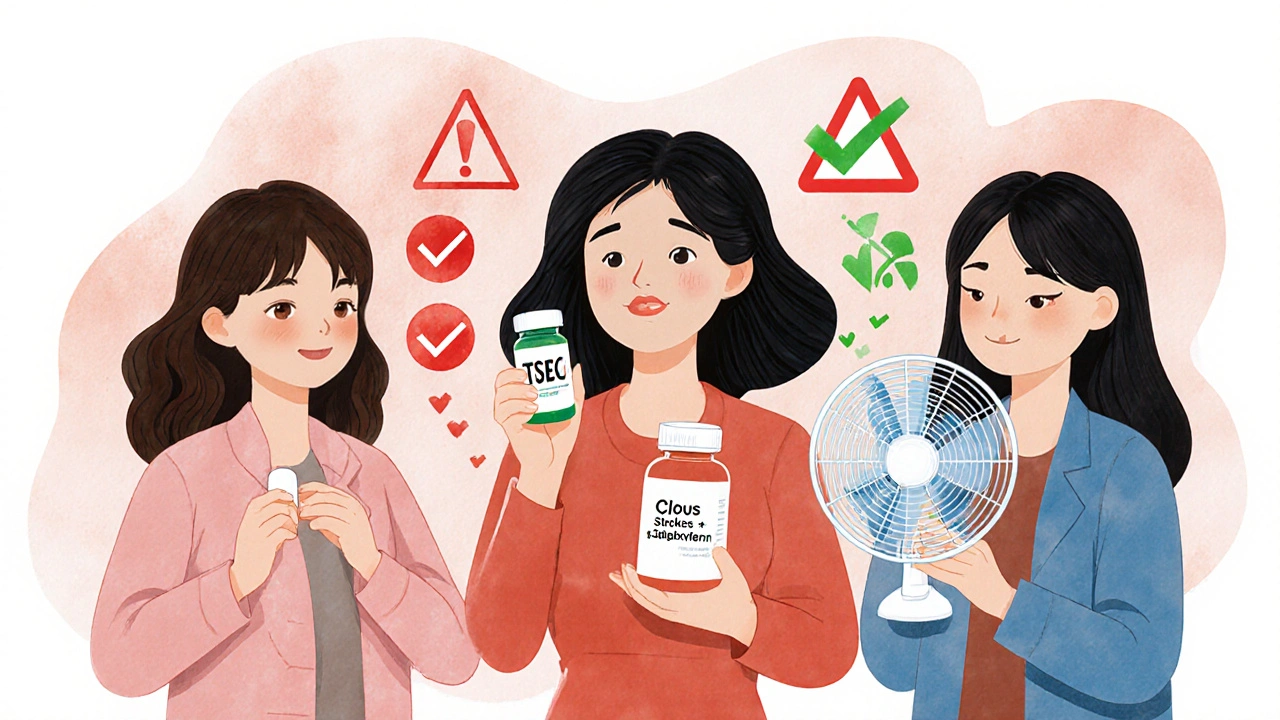
How to Take Control of Your Medications
You don’t need to be a medical expert to stay safe. Here’s what works:- Keep a current list of everything you take: prescription, OTC, vitamins, herbs. Include dosage and why you take it.
- Bring all your meds to every doctor visit. This is called a "brown bag review." It’s simple, but only 15% of patients do it.
- Use a pill organizer. Studies show they reduce errors by 81%. But don’t just fill it once a month-check weekly. The most common mistake? Taking a pill twice.
- Ask: "What happens if I stop this?" If your doctor can’t answer, it’s time to dig deeper.
- Review your meds annually-or after any hospital stay. Changes in health mean changes in meds.
The National Institute on Aging says 28% of women over 65 still make medication errors-even with organizers. The top two? Taking the wrong dose or forgetting to refill. Simple fixes: set phone alarms. Use pharmacy delivery. Ask for large-print labels.
What’s New and What’s Next
Science is catching up. The FDA now requires menopause-specific warnings on 87% of relevant drug labels. New options like tissue-selective estrogen complexes (TSECs)-such as conjugated estrogens with bazedoxifene-are reducing endometrial risk by 70% compared to traditional hormone therapy.And AI tools are starting to help. Pilot studies show AI-driven medication reconciliation cuts errors by 45%. These tools scan your full history, flag interactions, and suggest safer alternatives. They’re not everywhere yet-but they’re coming.
For now, the best tool you have is your own awareness. Don’t assume a pill is safe just because your doctor prescribed it. Ask questions. Push for clarity. Your body has changed. Your meds should too.
Is hormone therapy safe for post-menopausal women?
Hormone therapy can be safe for many post-menopausal women, but only under the right conditions. It’s most appropriate for women under 60 or within 10 years of menopause onset, using the lowest effective dose for the shortest time. Transdermal estrogen (patches or gels) is safer than pills for women with clotting risks. It’s not recommended for women with a history of breast cancer, blood clots, stroke, or liver disease. Always weigh symptom relief against long-term risks like breast cancer and stroke.
What medications should post-menopausal women avoid?
The Beers Criteria lists medications to avoid after age 65. These include long-acting benzodiazepines (like diazepam), anticholinergics (like diphenhydramine), and NSAIDs like diclofenac for long-term use. These increase fall risk, confusion, stomach bleeding, and kidney damage. Avoid over-the-counter sleep aids with diphenhydramine. Also, avoid combined estrogen-progestin therapy for chronic disease prevention-this is no longer recommended by the U.S. Preventive Services Task Force.
Why do I keep making medication errors?
Medication errors in post-menopausal women are common due to multiple prescriptions, memory changes, and complex dosing schedules. The most frequent mistakes are taking a pill twice (42%) or missing a dose (38%). Pill organizers help-but only if you use them correctly. Set phone alarms, use pharmacy delivery services, and ask your pharmacist to simplify your regimen. A "brown bag" review with your doctor can also uncover hidden problems.
Can I stop taking statins after menopause?
It depends. Statins are often prescribed for cholesterol, but after 75, the benefits for people without heart disease become less clear. If you’ve never had a heart attack or stroke, and your cholesterol is only mildly elevated, you may not need statins anymore. Talk to your doctor about your overall risk-family history, blood pressure, diabetes, and lifestyle matter more than a single number. Stopping statins suddenly can be dangerous; always taper under medical supervision.
How do I know if my doctor is considering my menopause status?
A doctor who understands menopause will ask about your symptoms (hot flashes, sleep, mood), your hormone therapy history, and your risk factors for clotting, breast cancer, and heart disease. They’ll consider whether a new prescription could interact with your hormones or worsen menopausal symptoms. If they only treat each condition in isolation-like blood pressure, then diabetes, then osteoporosis-without seeing the whole picture, you may need a second opinion. Look for providers who use tools like START/STOPP or have training in geriatric or menopause care.
Are herbal supplements safe for post-menopausal women?
Many herbal supplements-like black cohosh, red clover, or dong quai-are marketed for menopause, but they’re not well regulated. Some can interfere with blood thinners, thyroid meds, or cancer treatments. Black cohosh may affect liver function. Red clover contains plant estrogens that could raise breast cancer risk in susceptible women. Always tell your doctor what you’re taking, even if it’s "natural." There’s no guarantee of safety, and interactions can be serious.

Ian Glover
My name is Maxwell Harrington and I am an expert in pharmaceuticals. I have dedicated my life to researching and understanding medications and their impact on various diseases. I am passionate about sharing my knowledge with others, which is why I enjoy writing about medications, diseases, and supplements to help educate and inform the public. My work has been published in various medical journals and blogs, and I'm always looking for new opportunities to share my expertise. In addition to writing, I also enjoy speaking at conferences and events to help further the understanding of pharmaceuticals in the medical field.
9 Comments
-
Monica Lindsey
November 30, 2025 AT 10:53Of course the medical establishment won’t admit this until it’s too late. Hormone patches? Please. Big Pharma’s way to sell you a more expensive version of the same poison.
-
Andrew Keh
November 30, 2025 AT 13:13I appreciate how clearly this was laid out. My mom was on five meds before her doctor finally sat down with her and cut three. She’s sleeping better, moving easier, and her stomach isn’t in knots anymore. Simple changes, huge impact.
-
Jennifer Wang
December 1, 2025 AT 08:20It is imperative to underscore that deprescribing must be conducted under the supervision of a qualified clinician utilizing evidence-based frameworks such as START/STOPP. The reduction of polypharmacy is not merely a matter of discontinuation, but of systematic, individualized risk-benefit analysis.
-
Bernie Terrien
December 2, 2025 AT 06:18Let’s be real-your doctor’s prescribing like they’re playing Jenga with your liver. Diazepam at 65? That’s not a sleep aid, it’s a one-way ticket to the ER with a side of hip fracture. And don’t even get me started on Benadryl in every OTC thing. It’s like they’re trying to turn us into walking dementia commercials.
-
Peter Lubem Ause
December 3, 2025 AT 19:51Thank you for this comprehensive guide-it’s rare to see such clarity on a topic that affects so many of us. I’ve seen elderly women in my community suffer needlessly because no one asked them to bring all their medications to a single appointment. The brown bag method is simple, free, and life-changing. I now encourage every woman over 60 I know to do it, even if they think they’re ‘just taking vitamins.’ The truth is, even garlic pills can interfere with blood thinners. Knowledge is power, and this is the kind of power that keeps you alive.
-
linda wood
December 5, 2025 AT 10:49Oh wow, so now I’m supposed to believe that ‘natural’ means safe? 🙄 My aunt took black cohosh because ‘it’s herbal’ and ended up in the hospital with liver enzymes through the roof. And now we’re supposed to trust supplements that aren’t even tested? Tell me again why Big Pharma is the villain here?
-
Geoff Heredia
December 5, 2025 AT 11:55Did you know the FDA only requires these warnings because of leaked internal memos? The real reason they’re pushing transdermal estrogen? It’s not safety-it’s patent extensions. They’re replacing old pills with new patches so they can keep charging $200/month. Wake up. This is all corporate math.
-
jamie sigler
December 7, 2025 AT 01:18I just read this and thought… why does anyone even bother? My doctor just shrugs and says ‘take it.’ I’m tired. I’m 68. I just want to sleep without feeling like my brain’s wrapped in cotton.


Write a comment
More Articles
Poison Control Hotline: How It Works and What to Report About Medications
Learn how the poison control hotline works, what details to report about medications, and why calling 1-800-222-1222 can prevent ER visits and save lives. Free, expert help 24/7.
Molybdenum: The Essential Dietary Supplement for a Healthier You
In my recent blog post, I explored the importance of Molybdenum, a lesser-known but essential dietary supplement. I found that it plays a crucial role in many of our body's biological processes, including metabolic function, enzyme activity, and overall cellular health. Furthermore, a deficiency in Molybdenum can lead to serious health problems, underscoring its importance in our diet. However, it's also key to note that it should be taken in moderation as an excess can also cause health issues. So, in the pursuit of a healthier you, consider the balance of Molybdenum in your diet.
Tina Dinh
November 30, 2025 AT 04:04YASSS this is the info we NEED! 🙌 I just started a brown bag review with my pharmacist and wow-turns out I was taking Benadryl for sleep for 3 years 😳 No more! 🚫💤