Brand Name Generics: What They Are, Why They Matter, and What You Need to Know
When you pick up a prescription, you might see a pill that looks nothing like the one you’ve taken for years. That’s not a mistake—it’s a brand name generic, a medication that contains the same active ingredient as the original brand-name drug but is sold under a different name after the patent expires. Also known as generic drugs, these versions are required by law to work the same way, in the same amount, and with the same safety profile as the brand. Yet, many people still hesitate to switch—because the pill looks different, the price dropped too fast, or someone told them generics aren’t as strong.
Here’s the truth: brand name generics aren’t cheaper because they’re worse. They’re cheaper because manufacturers don’t have to repeat expensive clinical trials. The FDA requires them to match the original in strength, purity, and how fast they dissolve in your body. But here’s what no one tells you: the inactive ingredients—like dyes, fillers, and coatings—can change. That’s why your generic pill might be blue now instead of white, or oval instead of round. These changes are legal, safe, and common. But they’re also the #1 reason people stop taking their meds. A study by the FDA found that nearly 1 in 5 patients think a changed pill is fake or wrong, even when it’s perfectly safe. That’s why generic pill changes, the visible differences in color, shape, or size between brand-name and generic versions of the same drug matter more than most people realize. And when a pharmacy switches from one generic maker to another, the pill can change again—sometimes without you or your doctor knowing.
That’s why understanding the difference between generic vs brand name, the distinction between the original drug developed by a pharmaceutical company and its later, lower-cost copies isn’t just about saving money. It’s about staying on your treatment. If you’re on blood pressure meds, thyroid pills, or epilepsy drugs, even tiny variations in how your body absorbs the medicine can make a difference. That’s why some hospitals and pharmacies stick to one generic supplier. And why the FDA keeps a list of drugs where switching generics can be risky—especially in cancer, transplant, and psychiatric treatments. generic drug safety, the assurance that generic medications meet the same rigorous standards as brand-name drugs, despite differences in appearance or manufacturer isn’t just a slogan. It’s backed by testing, inspections, and real-world data. But your safety depends on knowing what’s in your hand—and asking when something looks off.
What you’ll find below are real stories, real data, and real advice from people who’ve been there. From why your generic pill changed color again, to how the FDA tracks quality in overseas factories, to what happens when five different generic makers flood the market and prices crash overnight. You’ll see how patients and pharmacists handle these switches, what to ask your doctor, and how to avoid the trap of stopping your meds because the pill looks different. This isn’t theory. It’s what’s happening in pharmacies, homes, and hospitals right now—and how to make sure you’re not left confused, scared, or off your treatment.
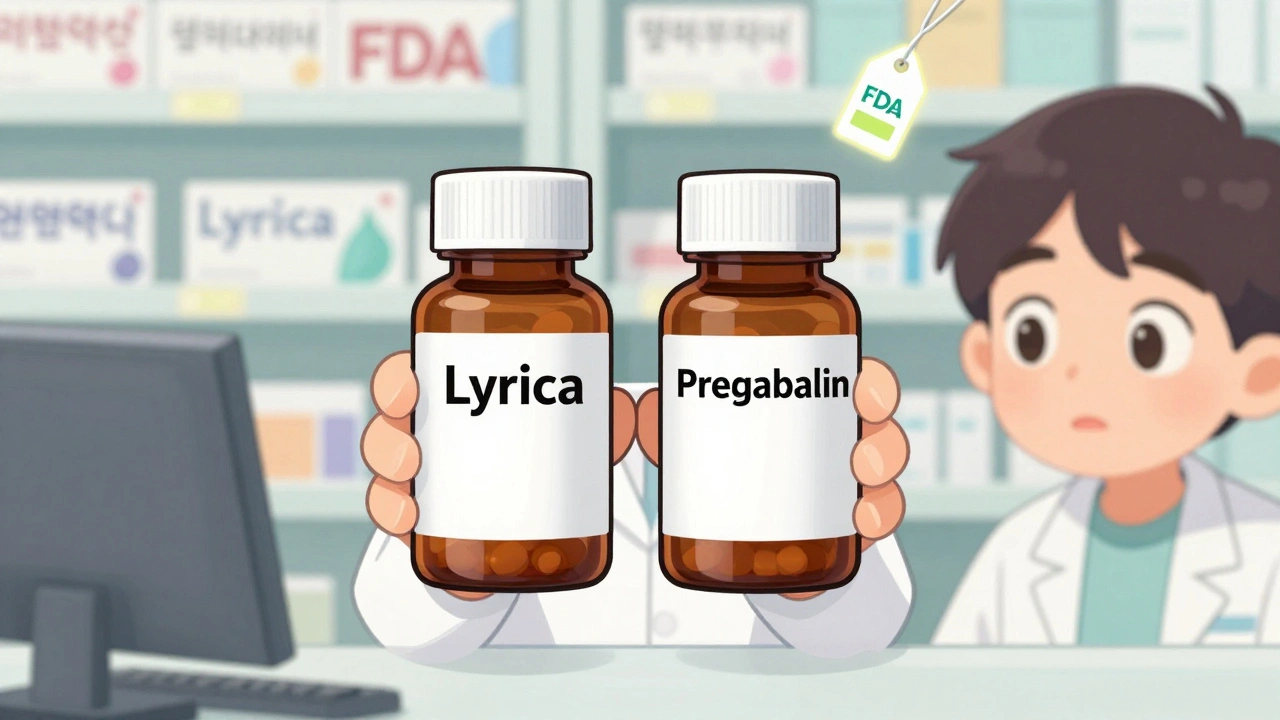
Recent Authorized Generic Approvals: Current Options and Market Trends
Authorized generics are exact copies of brand-name drugs, made by the same company. In 2025, their approvals have dropped sharply due to FTC crackdowns and a shift toward biosimilars. Learn which ones are available and how to identify them.