FDA Approved Generics: What They Are, Why They Work, and What to Watch For
When you hear FDA approved generics, generic drugs that meet the same strict standards as brand-name medications and are legally sold in the U.S. after patent expiration. Also known as generic medications, they contain the same active ingredients, work the same way, and are held to the same quality rules as their brand-name cousins. The FDA doesn’t just approve them—they test them, inspect the factories, and demand proof they deliver the same results. That’s not marketing. That’s science.
But here’s what trips people up: generic pill changes, when the color, shape, or size of a generic drug shifts between refills, even though the medicine inside hasn’t changed. It’s legal. It’s safe. But it scares patients into skipping doses. One study found nearly 40% of people thought a different-looking pill meant it wasn’t the same drug—so they stopped taking it. That’s not just a confusion problem. It’s a public health issue. And it’s why bioequivalence, the scientific proof that a generic drug performs the same in the body as the brand version matters more than the label on the bottle. The FDA requires generics to match the brand in absorption rate, peak concentration, and how long they stay active. If they don’t, they don’t get approved.
Not all generics are created equal in the marketplace, though. After the first generic hits, others rush in—sometimes dozens—and prices crash. That’s good for your wallet, but it can lead to drug shortages, when manufacturers can’t keep up with demand due to low profit margins or production issues. And with more drugs being made overseas, quality control becomes trickier. The FDA inspects foreign plants, but inspections aren’t random—they’re risk-based. If a plant has a history of violations, it gets flagged. If it’s clean, it might fly under the radar for years.
That’s why you’ll find posts here about FDA approved generics that go beyond the basics. You’ll learn how to spot when a pill change is harmless versus when it’s a red flag. You’ll see how cancer drug combos can break bioequivalence rules even when each component is approved. You’ll understand why a generic version of a heart medication might be fine alone but risky when mixed with other drugs. And you’ll get real advice on what to do if your pharmacy switches your generic without telling you—because they’re allowed to, but you deserve to know.
This isn’t about choosing between brand and generic. It’s about knowing what’s really in your medicine, why the FDA says it’s safe, and how to avoid getting caught off guard by a pill that looks different. Whether you’re managing high blood pressure, diabetes, or a chronic condition, your meds shouldn’t be a guessing game. Below, you’ll find clear, no-fluff guides that cut through the noise and show you exactly what to look for, what to ask for, and when to speak up.
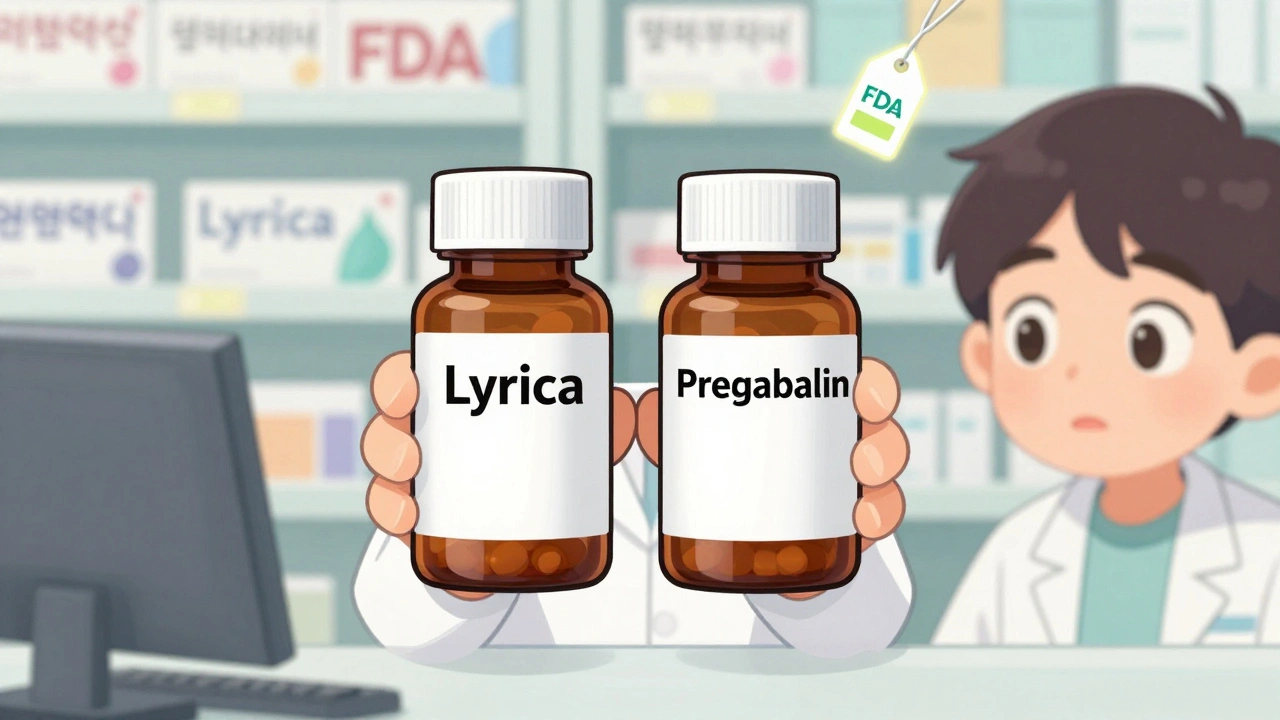
Recent Authorized Generic Approvals: Current Options and Market Trends
Authorized generics are exact copies of brand-name drugs, made by the same company. In 2025, their approvals have dropped sharply due to FTC crackdowns and a shift toward biosimilars. Learn which ones are available and how to identify them.