Generic Price Erosion: Why Cheap Drugs Don't Always Mean Better Value
When you see a generic price erosion, the steady drop in cost of off-patent drugs due to increased competition among manufacturers. Also known as generic drug price decline, it's the reason your prescription co-pay dropped from $50 to $5—but sometimes, that savings comes with hidden risks. This isn’t just about savings. It’s about whether the pill in your hand still works the same way it did when it was brand-name. As more companies enter the market to make the same drug, each one tries to undercut the last. The result? Prices plunge, but quality control, manufacturing standards, and even active ingredient consistency can slip through the cracks.
That’s where generic medications, pharmaceutical products that contain the same active ingredient as a brand-name drug but are sold after the patent expires. Also known as off-patent drugs, it becomes tricky. Take cancer drugs. When you combine multiple generics in a treatment plan, even tiny differences in how each one dissolves or is absorbed can throw off the entire therapy. One study found that switching a single generic component in a combo cancer regimen led to measurable drops in patient response. This isn’t rare. It’s happening in hospitals and pharmacies right now. And it’s not just oncology. Blood thinners, thyroid meds, and epilepsy drugs are all sensitive to small variations in formulation. The FDA says generics must be bioequivalent—but "equivalent" doesn’t always mean "identical in effect."
Then there’s the pharmaceutical costs, the total financial burden of acquiring and using medications, including manufacturing, distribution, and patient out-of-pocket expenses. Also known as drug spending, it puzzle. When a drug’s price collapses, manufacturers cut corners. They might use cheaper raw materials, reduce testing, or shift production to overseas facilities with looser oversight. FDA inspection records show a spike in warning letters to generic makers in the last five years—not because they’re breaking laws, but because they’re pushing limits to stay profitable. Meanwhile, your pharmacist might swap your prescription without telling you, assuming the lower-cost version is just as good. But if you’re on a tightrope of side effects—like with statins raising blood sugar or antifungals triggering muscle damage—small changes in drug absorption can make a big difference.
You don’t need to avoid generics. They saved billions and kept millions on their meds. But you do need to be smart. Watch for sudden changes in how you feel after a refill. Keep a log of symptoms, energy levels, or side effects. Ask your pharmacist where the drug was made. Check if your insurance is forcing a switch. And if you’re on a critical drug—like one for heart rhythm, seizures, or immune suppression—don’t accept a switch without talking to your doctor. The goal isn’t to pay more. It’s to pay for results that actually work.
Below, you’ll find real-world stories from people who’ve been caught in the middle of this system—how a switch to a cheaper generic caused fatigue, how a cancer combo therapy failed after a generic swap, and how some patients learned to spot the warning signs before it was too late. These aren’t theoretical concerns. They’re lived experiences. And they’re happening more often than you think.
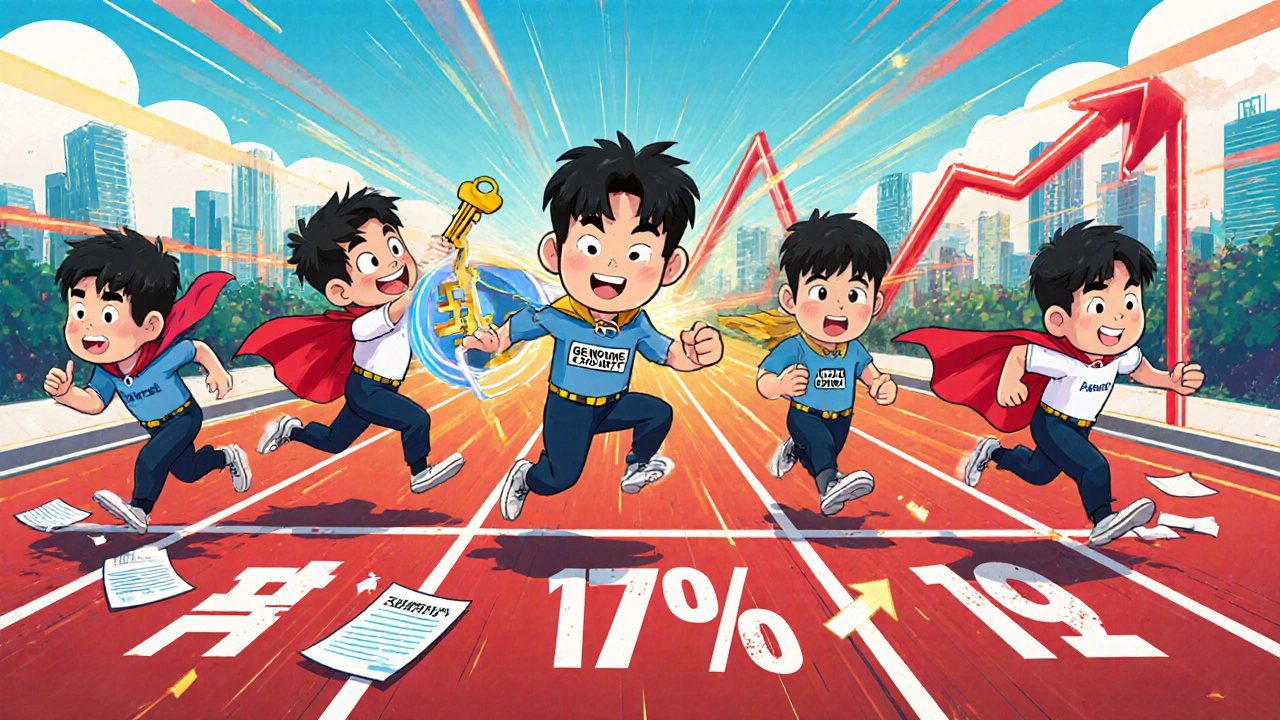
Multiple Generics: How Competitors Enter After the First Generic Market Entrant
After the first generic enters the market, a wave of competitors follows, causing prices to plummet. Learn how patent rules, authorized generics, and PBM contracts shape the race to the bottom-and why shortages follow.