Healthcare Workforce Shortage: What’s Really Happening and How It Affects Your Care
When you need a doctor, a nurse, or even a pharmacist to fill your prescription, and the answer is "We’re short-staffed", that’s not just a line—it’s the reality of the healthcare workforce shortage, a systemic decline in the number of qualified medical professionals available to deliver care. Also known as medical staffing crisis, it’s not just about fewer people in scrubs—it’s about longer waits, rushed visits, and medications that take days to arrive because no one’s there to process them.
This shortage isn’t limited to one corner of healthcare. It’s hitting nurse shortage, a critical gap in registered nurses and nursing assistants who manage daily patient care hard, especially in hospitals and long-term care homes. At the same time, physician shortage, the growing lack of primary care doctors and specialists willing or able to take on more patients means you might wait weeks for a routine checkup. Even pharmacies are feeling it—pharmacy staffing, the decline in licensed pharmacists and technicians who verify prescriptions and catch dangerous interactions—is causing delays in filling meds, even when the drug is in stock. These aren’t isolated problems. They feed into each other: no nurse means slower discharge, which clogs ERs; no pharmacist means more errors slip through; no doctor means more people end up in urgent care, which is also understaffed.
What’s driving this? Burnout is huge. Many left after years of pandemic pressure, and those who stayed are exhausted. Training new people takes time—nursing school, med school, pharmacy programs—and the pipeline isn’t keeping up. Pay isn’t always competitive, especially compared to other industries offering similar skills. And in rural areas? It’s worse. You might have a clinic with one doctor and no backup. If they’re out sick, you’re out of luck.
And here’s the part no one talks about enough: this shortage directly affects your safety. Missed medication reviews. Overlooked drug interactions. Delays in catching side effects. These aren’t theoretical risks—they’re happening right now, every day, in clinics and hospitals across the country. The posts below show how this crisis shows up in real ways: from generic pills sitting on shelves because no one’s there to dispense them, to patients skipping doses because they can’t get their meds on time, to pharmacists working double shifts and still falling behind on safety checks. You’ll find stories about how staffing gaps impact everything from asthma inhalers to cancer drug combinations—and how patients are adapting when the system can’t keep up.
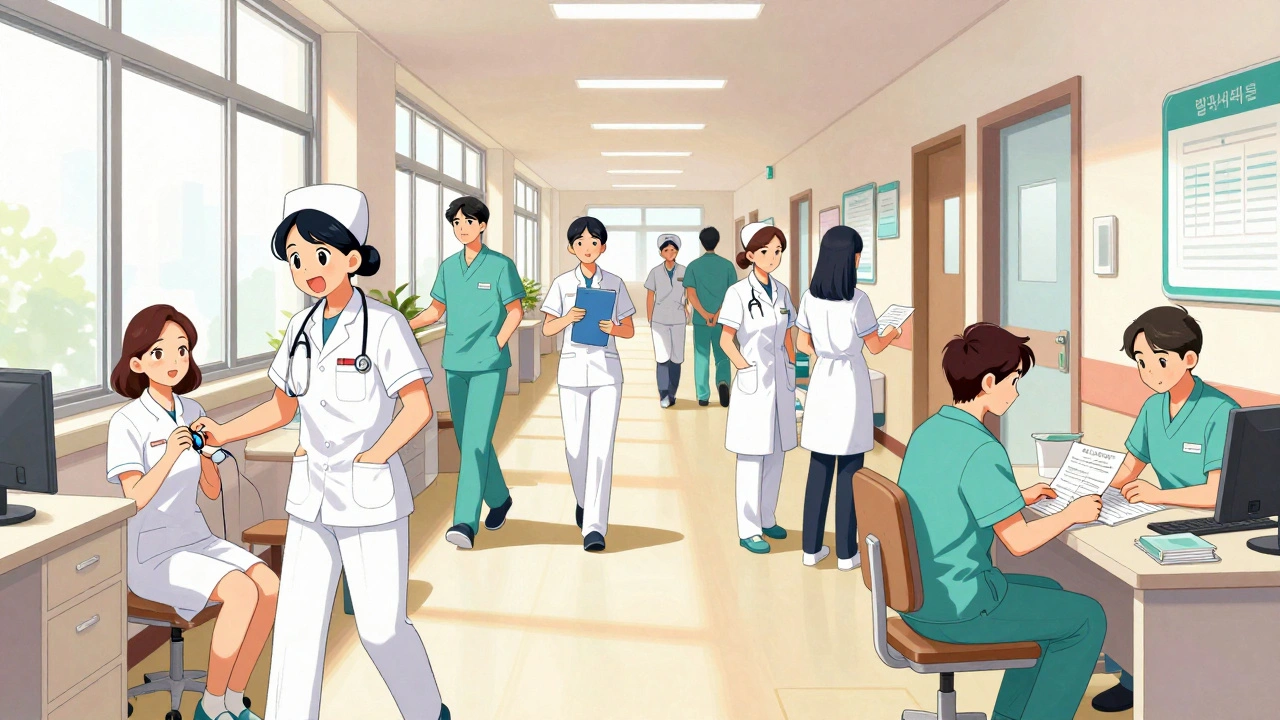
Shortage mitigation strategies: what health systems are doing to fight workforce gaps
Health systems are tackling workforce shortages with flexible scheduling, AI tools, cross-training, and community partnerships. Learn what’s actually working to keep hospitals running and staff from burning out.