Heartburn During Pregnancy: What Works and What to Avoid
When you're pregnant, heartburn during pregnancy, a burning sensation in the chest caused by stomach acid backing up into the esophagus. Also known as pregnancy acid reflux, it affects up to 80% of expecting mothers—especially in the second and third trimesters. This isn’t just discomfort; it’s your body changing to make space for your baby, and those changes directly impact digestion. As your uterus grows, it pushes upward on your stomach, weakening the valve that keeps acid down. Add hormonal shifts that relax your digestive muscles, and you’ve got a perfect storm for acid reflux.
Many women turn to antacids for pregnancy, over-the-counter medications that neutralize stomach acid and provide quick relief. Also known as pregnancy-safe antacids, options like calcium carbonate (Tums) and magnesium hydroxide (Milk of Magnesia) are generally safe when used as directed. But not all antacids are equal—some contain aluminum or sodium bicarbonate, which can cause side effects or fluid retention. Always check with your provider before using anything regularly, even if it’s sold on a pharmacy shelf. What you eat matters just as much. Spicy food, caffeine, chocolate, and large meals are common triggers. Eating smaller portions more often, staying upright for at least an hour after eating, and avoiding lying down right after dinner can cut symptoms significantly. Even simple things like wearing loose clothing around your waist help reduce pressure on your stomach.
There’s also a growing body of evidence supporting natural remedies for heartburn, non-medication approaches that ease symptoms using diet, posture, and lifestyle changes. Also known as pregnancy diet heartburn strategies, things like sipping ginger tea, chewing gum after meals to boost saliva (which neutralizes acid), and sleeping with your head slightly elevated can make a real difference. Some women swear by raw almonds or banana—foods that are naturally low in acid and help buffer stomach contents. These aren’t magic fixes, but they’re low-risk, drug-free ways to feel better without reaching for a pill every time. The good news? This usually goes away after delivery. Until then, you don’t have to just suffer through it. Small, smart adjustments can bring real relief.
What follows are real, practical insights from women who’ve been there—along with trusted medical guidance on what’s safe, what’s not, and what actually works. You’ll find clear advice on managing symptoms without compromising your baby’s health, plus tips on when to call your doctor instead of just waiting it out. This isn’t guesswork. It’s what works.
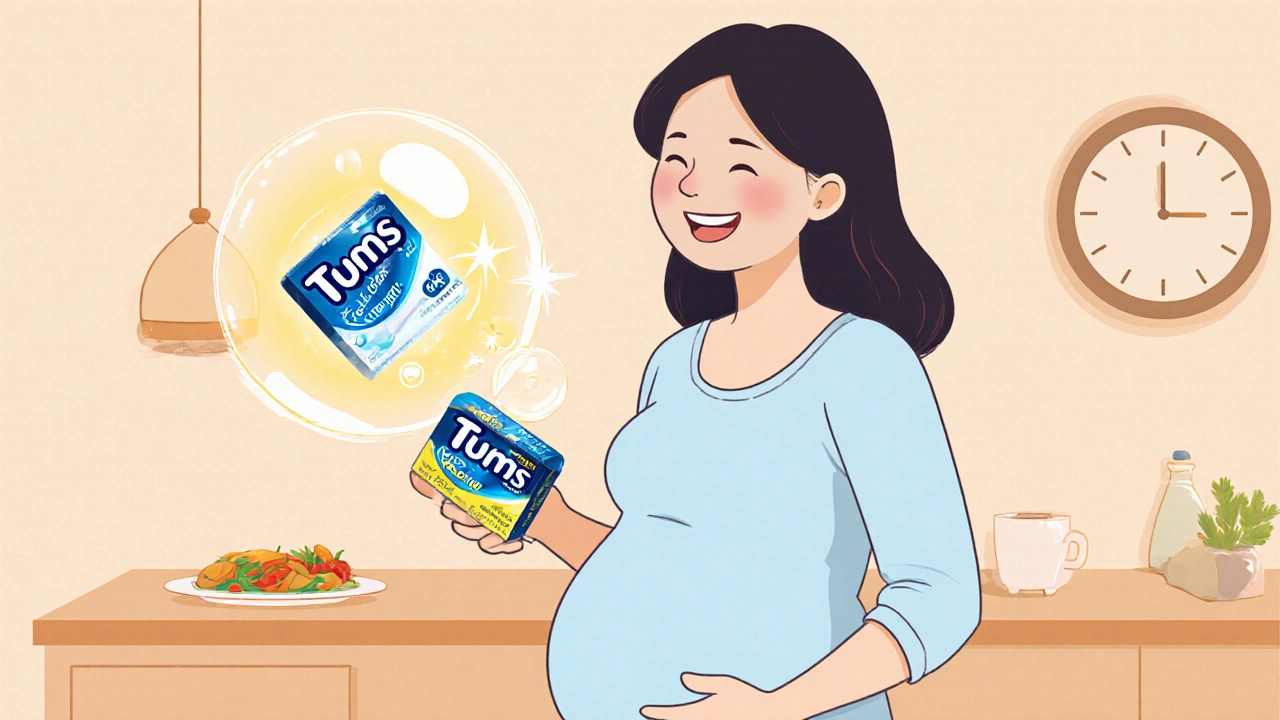
Heartburn Medications in Pregnancy: Safe Options for Antacids, H2 Blockers, and PPIs
Learn which heartburn medications are safe during pregnancy, including antacids like Tums, H2 blockers like famotidine, and PPIs like omeprazole. Discover what to avoid and how to manage symptoms naturally.