Immunosuppressant Interactions: What You Need to Know Before Taking Them
When you're taking immunosuppressants, medications that lower your body’s immune response to prevent organ rejection or control autoimmune diseases. Also known as immune system suppressants, they're life-saving for people with transplants, lupus, rheumatoid arthritis, and other chronic conditions. But these drugs don’t work in a vacuum. They react with other medicines, foods, and even supplements in ways that can be dangerous—or useless—if you don’t know what you’re dealing with.
Take tacrolimus, a common transplant drug that needs precise blood levels to work. Grapefruit juice can spike its concentration, turning a safe dose into a toxic one. Same with cyclosporine, another key immunosuppressant. Even over-the-counter painkillers like ibuprofen can stress your kidneys when mixed with these drugs. And don’t forget herbal stuff—St. John’s wort can drop levels so fast your body starts rejecting the transplant. These aren’t hypothetical risks. Real patients have ended up in the hospital because they didn’t know their multivitamin or tea could interfere.
It’s not just about other pills. Your diet, your liver function, even your gut bacteria play a role. Some antibiotics change how your body breaks down immunosuppressants. Antifungals like fluconazole can make them build up. And if you’re on multiple drugs for high blood pressure, diabetes, or cholesterol, the chances of a bad mix go up fast. That’s why keeping a simple list of everything you take—even the ones you think don’t matter—isn’t just smart, it’s necessary.
The posts below cover real-world cases and practical fixes. You’ll find how to spot hidden interactions, what to ask your pharmacist, and how to manage your meds without guesswork. Whether you’re on sirolimus, mycophenolate, or azathioprine, these guides help you avoid surprises and stay in control of your health.
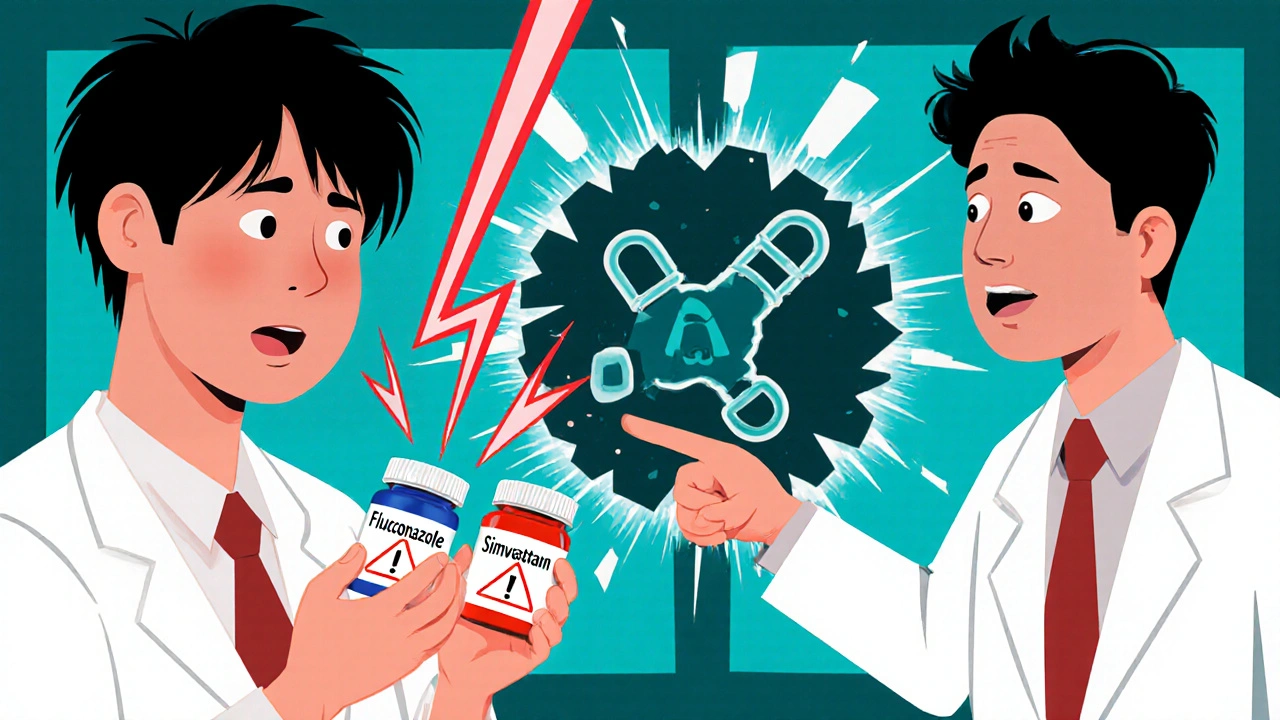
Systemic Antifungals: High-Risk Interactions with Statins and Immunosuppressants
Systemic antifungals like azoles can dangerously increase statin and immunosuppressant levels, raising the risk of muscle damage and kidney failure. Learn which combinations are lethal and how to stay safe.