Medication Appearance: What Shape, Color, and Labeling Tell You About Your Pills
When you pick up a prescription, the medication appearance, the visual characteristics of a drug including its shape, color, size, and imprint. Also known as pill identification, it's not just about looks—it's your first line of defense against mistakes. A blue oval pill isn’t just blue because it’s pretty. It’s coded. That color, that imprint, that size? They’re not random. They’re standardized so you, your pharmacist, and your doctor can tell it apart from every other pill on the shelf. Get it wrong, and you could take the wrong drug—maybe even something dangerous.
Think about generic drugs, lower-cost versions of brand-name medications that contain the same active ingredient. Also known as generic medications, they are legally required to match the brand in strength, safety, and effectiveness—but not in appearance. That’s why your generic metformin might be white and round this month, but next month it’s beige and oval. It’s still the same medicine. But if you don’t know that, you might panic and think you got the wrong prescription. That’s why drug labeling, the printed text, logos, and codes on pill packaging and the pills themselves. Also known as pill imprint codes, it is just as important as the active ingredient. The letters and numbers stamped on a pill—like "L484" or "V 3601"—are your real ID. The FDA and manufacturers use these to track every batch. Skip checking them, and you risk swallowing something you didn’t mean to.
And it’s not just about generics. Even brand-name pills change over time. Manufacturers update packaging, switch suppliers, or tweak coatings for better absorption. That’s why your old bottle of lisinopril might look different than the new one—even if the prescription hasn’t changed. If you notice a shift in color, shape, or size, don’t assume it’s wrong. Ask your pharmacist. They can cross-check the imprint with official databases and confirm it’s still the right drug. This isn’t paranoia. It’s safety. In one study, over 1 in 5 medication errors among older adults started with someone misidentifying a pill by appearance alone.
Some pills even look like candy. That’s not an accident—it’s a design flaw. Bright colors and smooth shapes make them easy to swallow, but they also make them tempting for kids or confusing for seniors. That’s why some pharmacies now offer child-resistant caps and plain packaging for high-risk meds. If you’re managing multiple pills, keep a simple list with photos or descriptions. Note the color, shape, imprint, and size. Update it every time your prescription changes. That little habit could stop a mistake before it happens.
Counterfeit drugs are a real threat, especially online. Fake pills might look identical to the real thing—but they often have the wrong imprint, blurry printing, or uneven coloring. If a pill looks off, don’t take it. Check the source. If you bought it without a prescription, or from a website that doesn’t require one, walk away. Real pharmacies don’t sell pills without a valid script.
Below, you’ll find real-world guides that show you how to spot dangerous mix-ups, decode pill imprints, understand why generics look different, and protect yourself when traveling or switching pharmacies. Whether you’re managing insulin, statins, or heart meds, knowing what your pills should look like isn’t optional—it’s essential.
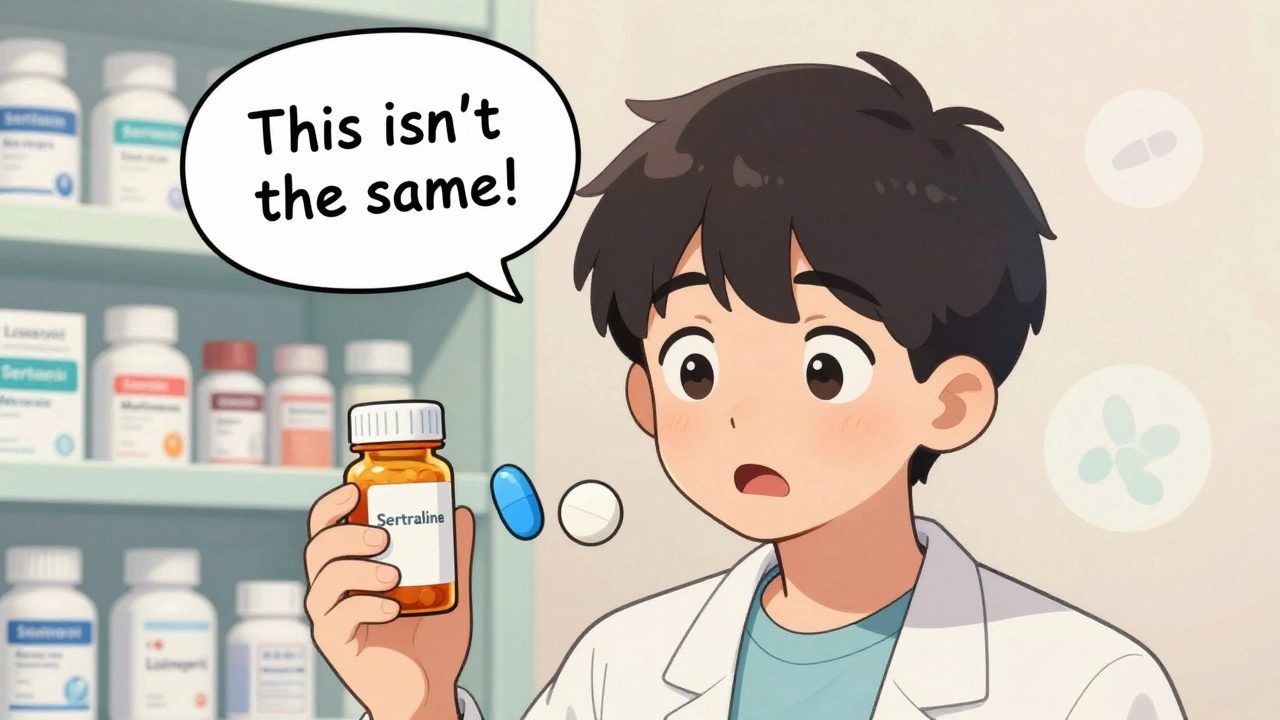
Generic Pill Appearance Changes: What You Need to Know About Safety, Legality, and Patient Risk
Generic pills can change color, shape, or size without affecting safety-but these changes cause many patients to stop taking their meds. Learn why it happens, what drugs are affected, and how to stay safe.