Medication Understanding: How to Stay Safe, Avoid Interactions, and Take Drugs Right
When you take a pill, you’re not just swallowing a chemical—you’re interacting with your whole body, your other meds, your diet, and even your genetics. Medication understanding, the practical knowledge of how drugs behave in your body and how they connect with everything else you’re doing. Also known as drug literacy, it’s what separates safe use from avoidable harm. Most people don’t realize that a simple headache pill can turn dangerous when mixed with their blood pressure med, or that grapefruit juice can make a cholesterol drug toxic. This isn’t theoretical—it’s happening in kitchens, pharmacies, and hospital rooms every day.
Drug interactions, when two or more substances change how each other works in your body are one of the top causes of hospital visits. Think of your liver as a busy airport: statins, antifungals, and immunosuppressants all land on the same runway. If one plane (like ketoconazole) delays another (like simvastatin), chaos follows—muscle damage, kidney failure, even death. Medication safety, the system of checks, awareness, and habits that prevent errors isn’t just about reading labels. It’s knowing when your heart drug affects your sex life, why your asthma inhaler might thin your bones, or how a pregnancy-safe antacid still needs timing rules. And then there’s adverse drug reactions, unexpected side effects that aren’t listed because they’re rare or personal—like tremors from tacrolimus even when blood levels look fine, or fatigue from mesalamine that feels like chronic exhaustion. These aren’t flaws in the drug—they’re clues about your unique biology.
What you’ll find below isn’t a list of drug facts. It’s a collection of real, gritty stories from people who’ve been there: the post-menopausal woman who nearly crashed from hormone interactions, the transplant patient who learned why their tremor wasn’t stress, the diabetic on statins who had to adjust without giving up heart protection. You’ll see how pharmacies use barcodes to catch errors, why some generics can wreck cancer treatment combos, and how to build a simple checklist that stops food-drug disasters before they start. This is medication understanding in action—not theory, not jargon, but the kind of knowledge that keeps you alive and well.
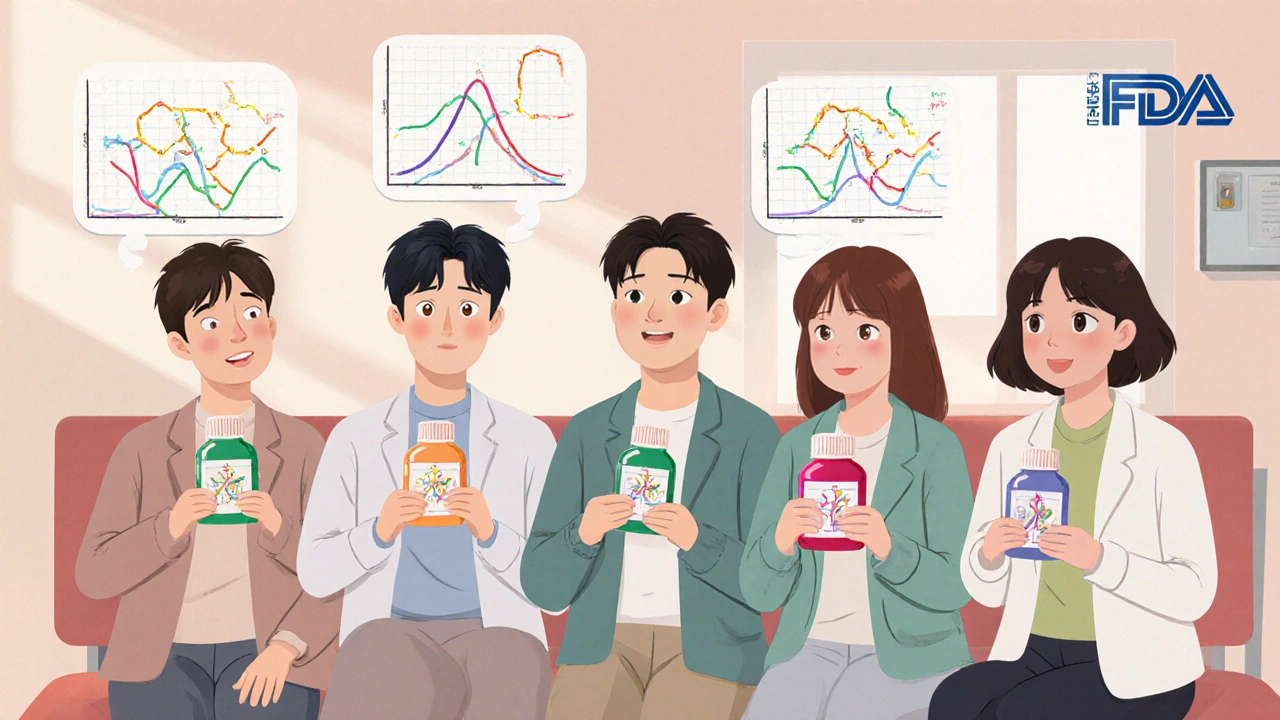
Infographics About Generics: Visual Education Tools for Patient Understanding
Infographics about generics help patients understand why generic drugs are safe, effective, and identical to brand-name versions. Learn how visual tools are reducing confusion, lowering costs, and improving medication adherence.