Overseas Production Risks: What You Need to Know About Global Drug Manufacturing
When you take a pill, you might assume it was made in a clean, regulated lab near you. But overseas production risks, the hidden dangers in global pharmaceutical manufacturing are real—and they directly impact your health. Over 80% of the active ingredients in your medications come from countries like India and China, where factory conditions, oversight, and quality controls vary widely. These aren’t just abstract concerns; they’re why some batches of blood pressure meds, antibiotics, or diabetes drugs suddenly disappear from shelves or get pulled by the FDA.
FDA inspection records, official reports on the conditions of drug factories worldwide reveal what’s really happening behind the scenes. Inspectors have found everything from contaminated water supplies to falsified test results in overseas plants. And when a factory fails an inspection, it doesn’t just mean a delay—it can mean your prescription isn’t available for weeks or months. The pharmaceutical quality control, the system of checks meant to ensure every pill is safe and effective isn’t perfect, especially when it’s stretched across continents. Even if a drug is FDA-approved, its ingredients may have passed through multiple countries before reaching you, each step adding potential points of failure.
These risks aren’t just about recalls. They’re why generic pills sometimes change color or shape without warning. Why some medications suddenly cause unexpected side effects. Why shortages hit hardest for the cheapest, most commonly used drugs—precisely because they’re made overseas, where margins are thin and corners get cut. The drug supply chain, the complex network of suppliers, manufacturers, and distributors that get your medicine from factory to pharmacy is fragile. One factory shutdown in India can ripple through the U.S. healthcare system, leaving hospitals scrambling and patients confused.
What you’ll find in this collection isn’t speculation. It’s real data from FDA reports, patient experiences, and pharmacy records. You’ll see how overseas production risks connect to generic pill changes, medication shortages, and even why some drugs are pulled from the market. You’ll learn how to read inspection notices, spot warning signs in your prescriptions, and ask the right questions when something feels off. This isn’t about fear—it’s about awareness. You have a right to know where your medicine comes from, and how safe it really is.
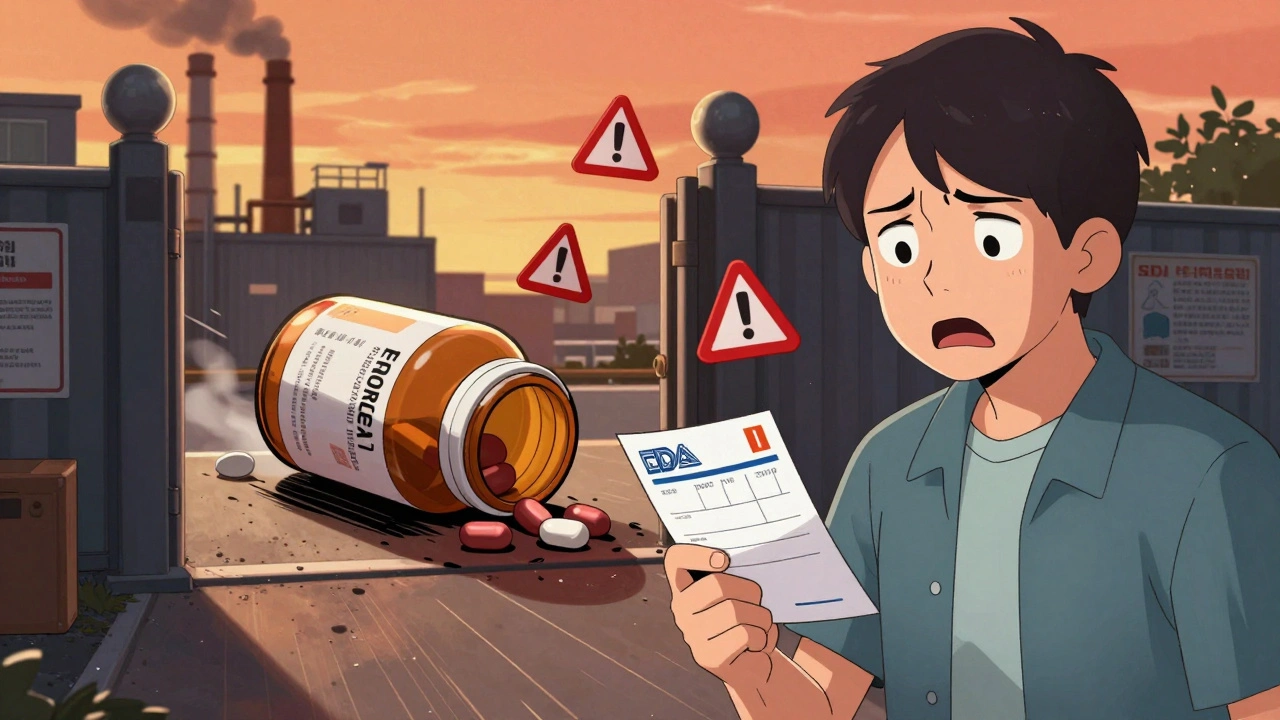
Foreign Manufacturing Quality Issues: How Overseas Production Risks Are Rising in 2025
Foreign manufacturing quality issues are worsening in 2025, with rising FDA drug recalls, material fraud, and unannounced inspections. Learn how overseas production risks affect health products and what companies must do to stay compliant and safe.