Palliative Care: What It Is, Who Needs It, and How It Helps
When someone is facing a serious illness—like cancer, heart failure, or advanced dementia—palliative care, a specialized medical approach focused on improving quality of life for people with serious illness. Also known as supportive care, it’s not about giving up. It’s about making sure you live as well as possible, no matter how far the disease has gone.
Palliative care isn’t the same as hospice, though people often mix them up. Hospice is for when curative treatment is no longer an option and life expectancy is six months or less. Palliative care can start at diagnosis, even while you’re getting chemotherapy, dialysis, or surgery. It works alongside your regular treatment to manage pain, nausea, shortness of breath, fatigue, and anxiety. The goal? To help you feel more like yourself, stay out of the hospital when possible, and keep control over your choices.
Who gets this kind of care? Anyone with a chronic or life-limiting condition. It’s not just for older adults. A young person with cystic fibrosis, a middle-aged parent with stage IV lung cancer, or someone with advanced kidney disease—all can benefit. The team usually includes doctors, nurses, social workers, and sometimes chaplains. They talk with you and your family about what matters most: staying at home, avoiding painful procedures, or spending time with loved ones. They don’t just treat symptoms—they help you make sense of your options.
You’ll find real stories in the posts below about how people manage pain with medications like morphine, how families decide when to stop aggressive treatment, and how simple things—like a quiet room or a favorite song—can make a huge difference. You’ll also see how symptom management, the practical focus on reducing physical and emotional distress in serious illness works in practice, from controlling nausea to handling confusion. There are guides on hospice, a form of palliative care focused on comfort at the end of life and how it fits into the bigger picture. And you’ll learn how to talk to your doctor about what you really need, without feeling like you’re being a burden.
This isn’t about dying. It’s about living—clearly, comfortably, and on your own terms. The posts here aren’t theoretical. They’re from real people who’ve been there, from patients and caregivers who’ve learned what works and what doesn’t. Whether you’re asking for yourself, a partner, or an aging parent, you’ll find answers that aren’t buried in medical jargon. No fluff. Just what you need to know to make better decisions, ask the right questions, and hold onto dignity when it matters most.
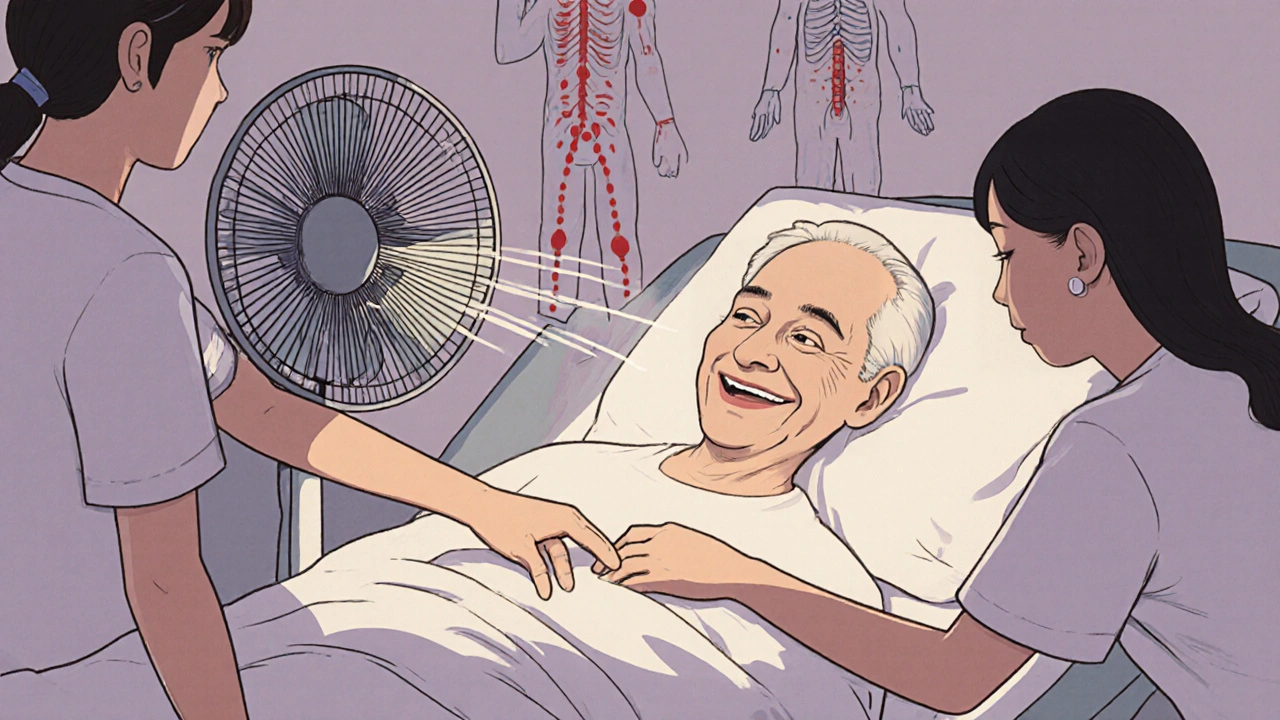
Palliative and Hospice Care: How to Balance Symptom Relief with Minimal Side Effects
Learn how palliative and hospice care balance pain relief with minimal side effects. Discover practical strategies for managing symptoms like breathlessness, delirium, and nausea while preserving dignity and quality of life.