Patient Education: Empower Yourself with Smart Medication and Health Choices
When it comes to your health, patient education, the process of giving people clear, practical knowledge about their medications and conditions so they can make safer, smarter choices. Also known as health literacy, it’s not just about reading pamphlets—it’s about understanding what your pills do, why they matter, and how to avoid mistakes that could hurt you. Too many people take medications without knowing the risks, and that’s where things go wrong. A study from the FDA found that nearly half of all medication errors happen because patients didn’t fully understand their instructions. That’s not laziness—it’s a system failure. Good patient education fixes that.
medication safety, the practice of preventing harm from drugs through proper use, monitoring, and communication isn’t just for doctors. It’s your job too. Think about how many people take statins and never realize they might raise blood sugar. Or how many post-menopausal women stay on hormone therapy without knowing the interaction risks with common painkillers. drug interactions, when one medicine changes how another works in your body don’t always show up in a lab. They show up as fatigue, dizziness, or stomach pain—and if you don’t know to connect the dots, you’ll just think it’s normal aging. That’s why checking your food and meds with a simple checklist, like the ones in our posts, can be life-changing.
And then there’s adverse drug reactions, unexpected, harmful side effects that aren’t listed on the label. Tacrolimus causes tremors in up to 40% of transplant patients—even when blood levels look fine. Azithromycin might clear your infection but leave you dizzy for days. These aren’t rare. They’re common, and they’re preventable—if you know what to watch for. The Naranjo Scale helps doctors figure out if a symptom is really from the drug, but you don’t need a degree to notice when something feels off. You just need to know to speak up.
What you’ll find here isn’t theory. It’s real-world advice from people who’ve been there: how to spot a labeling error on your pill bottle, when to question a pharmacy’s beyond-use date, why calcium citrate might work better than carbonate for your body, or how to safely taper off prednisone without crashing. These aren’t abstract concepts. They’re tools you can use tomorrow. Whether you’re managing asthma steroids, heartburn during pregnancy, or fatigue from mesalamine, the goal is the same: you deserve to feel better, not just less sick. And that starts with knowing enough to protect yourself.
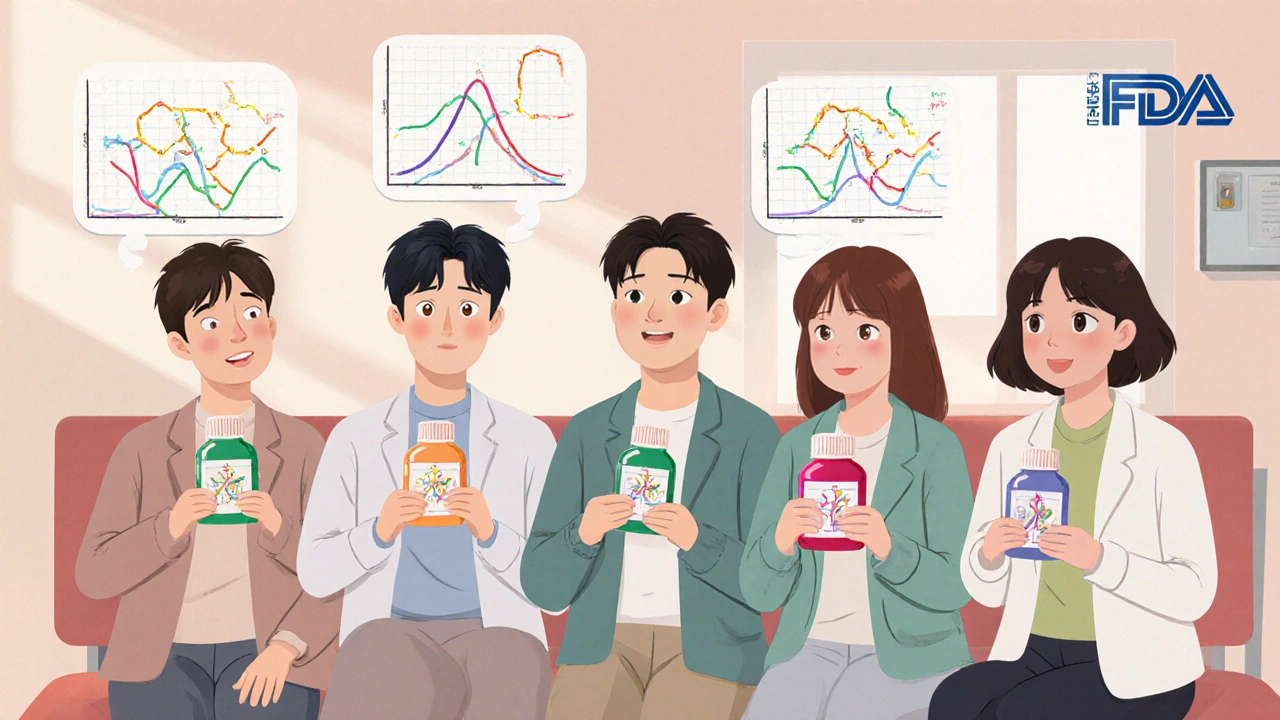
Infographics About Generics: Visual Education Tools for Patient Understanding
Infographics about generics help patients understand why generic drugs are safe, effective, and identical to brand-name versions. Learn how visual tools are reducing confusion, lowering costs, and improving medication adherence.