If your skin keeps reacting for no clear reason-red, itchy, flaky patches that won’t go away no matter what cream you try-you’re not alone. Millions of people mistake chronic skin flare-ups for dryness or stress, when the real culprit might be something touching their skin every day. The answer isn’t more lotion. It’s knowing exactly what’s triggering it. That’s where patch testing comes in.
What Patch Testing Actually Does
Patch testing isn’t like a skin prick test for hay fever. You won’t get poked with needles or feel an instant sting. Instead, small amounts of common allergens are taped to your back for two full days. These aren’t random chemicals. They’re carefully prepared substances used in everything from cosmetics to tools, metals, and cleaning products. The goal? To see if your immune system reacts to any of them.
This test finds allergic contact dermatitis-the kind caused by your body overreacting to something it’s been exposed to before. It’s not an immediate reaction. It takes time. That’s why readings happen at 48 and 96 hours. A positive result looks like a red, swollen, sometimes blistered spot right where the patch was. It’s localized. It doesn’t spread. That’s how you know it’s not a general rash-it’s a reaction to one specific thing.
Unlike other allergy tests, you can keep taking antihistamines. They don’t interfere. That’s important for people who rely on them for other conditions. The test looks for a delayed immune response (Type IV), not the fast, histamine-driven kind (Type I). That’s why skin prick tests won’t catch these triggers. Only patch testing can.
The Process: What to Expect
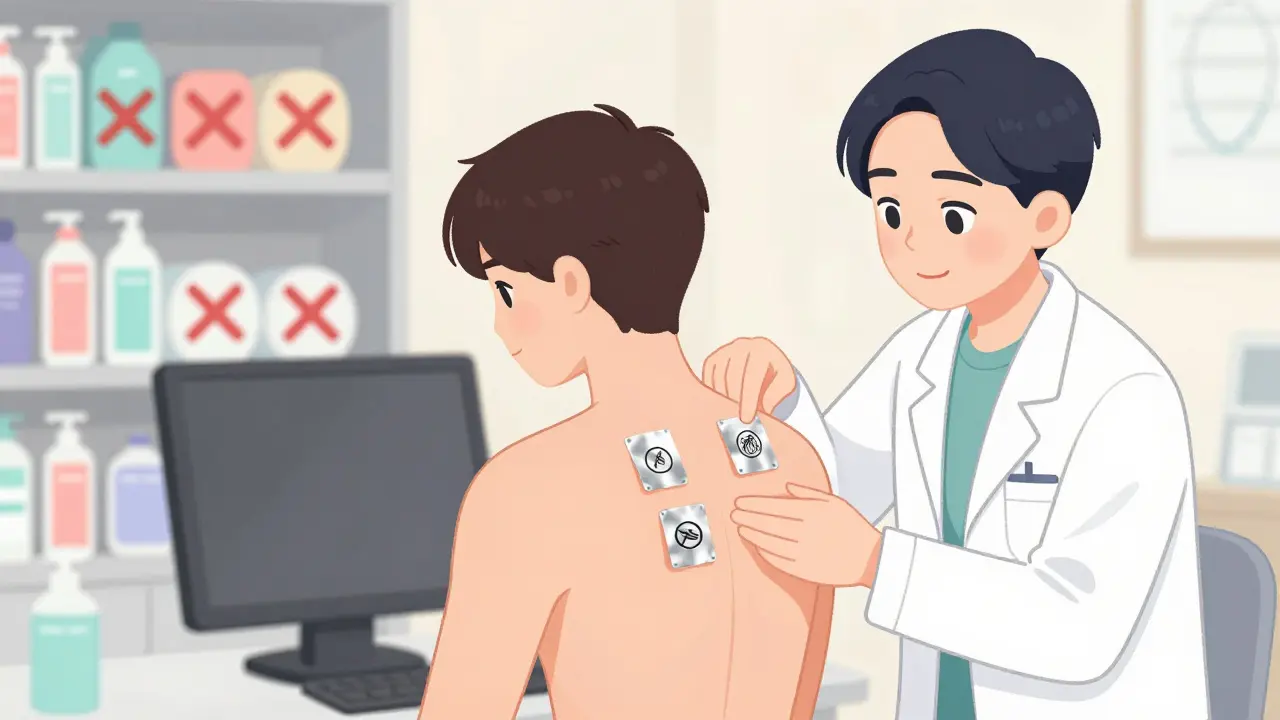
The whole thing takes about a week. You’ll make three visits: Monday, Wednesday, Friday. On day one, a dermatologist applies 30 to 100 tiny allergens, each sealed in a small aluminum chamber called a Finn chamber. These are stuck to a patch of tape and pressed onto your back. You’ll leave with your back covered in little dots-like a high-tech tattoo.
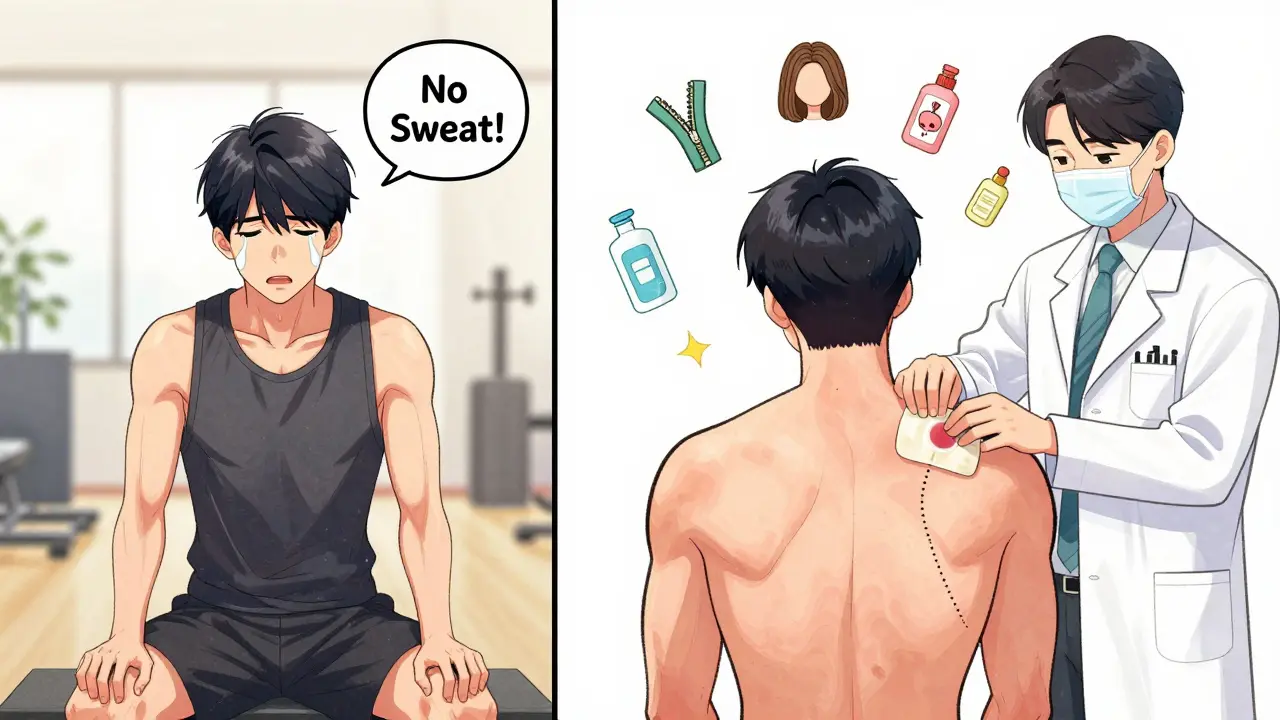
For the next 48 hours, you can’t get the patches wet. No showers, no swimming, no sweating. That means no gym, no hot yoga, no heavy chores. Even a little moisture can wash away the allergens or cause false results. You’ll be told to avoid activities that make you sweat. If you do, the test might need to be redone.
On day three, the patches come off. The dermatologist checks for early reactions. Then you wait another 48 hours. On day five, you come back for the final reading. That’s when most positive reactions show up. Some reactions are subtle-just a bit of redness. Others are obvious: bumps, blisters, peeling skin. Even a faint reaction matters. It means you’re allergic to that substance.
Not everyone gets a positive result. That’s normal. It doesn’t mean you’re not sensitive-it just means the test didn’t catch your trigger. That’s why expanded panels exist. Standard tests cover about 70% of cases. But if you’re a hairdresser, a nurse, or work with electronics, your exposure is different. Expanded panels add allergens like fragrances, preservatives, or metals used in your industry. That pushes detection up to 80%.
Common Allergens You’re Probably Exposed To
Here’s what shows up most often in patch tests across the UK and US:
- Nickel-found in jewelry, belt buckles, zippers, even some smartphones and keys. It’s the #1 allergen in women.
- Chromium-in cement, leather, paints, and some cosmetics. Construction workers and tanners are at high risk.
- Formaldehyde-a preservative in shampoos, lotions, makeup, and even some tissues. It’s sneaky because it’s in so many products.
- Paraphenylenediamine (PPD)-used in hair dyes. If you dye your hair and get a scalp rash, this is likely the cause.
- Neomycin-an antibiotic in some first-aid creams. Ironically, it’s in the very products meant to heal skin.
- Fragrances-both synthetic and natural. Even "unscented" products can contain masking fragrances.
- Coconut diethanolamide-a foaming agent in soaps and shampoos. Common in cheap body washes.
- Propylene glycol-a humectant in moisturizers, lotions, and even some medications. It’s everywhere.
Some of these are in products you use daily. You might not realize your hand cream contains formaldehyde. Or that your favorite shampoo has PPD. Once you know, you can read labels. Many brands now list allergens clearly. Look for "free from" claims: nickel-free, fragrance-free, paraben-free.
It’s Not All Allergies-Irritants Are Different
Not every skin reaction is allergic. Many are irritant contact dermatitis. That’s when a substance physically damages your skin-no immune system involved. Think: bleach, strong soaps, repeated handwashing, solvents. It’s common in healthcare workers, cleaners, chefs. The skin looks red, cracked, dry. It doesn’t always itch the same way. And patch testing won’t catch it.
That’s why diagnosis matters. If you think you’re allergic to soap but it’s just irritation from overwashing, avoiding the soap won’t help. You need to change your habits: use lukewarm water, pat dry, apply barrier creams. Patch testing helps you know which is which.
What Happens After a Positive Result
Getting a positive result isn’t the end-it’s the start of real relief. You get a list: these are your triggers. Avoid them. Simple, right? But it’s not always easy.
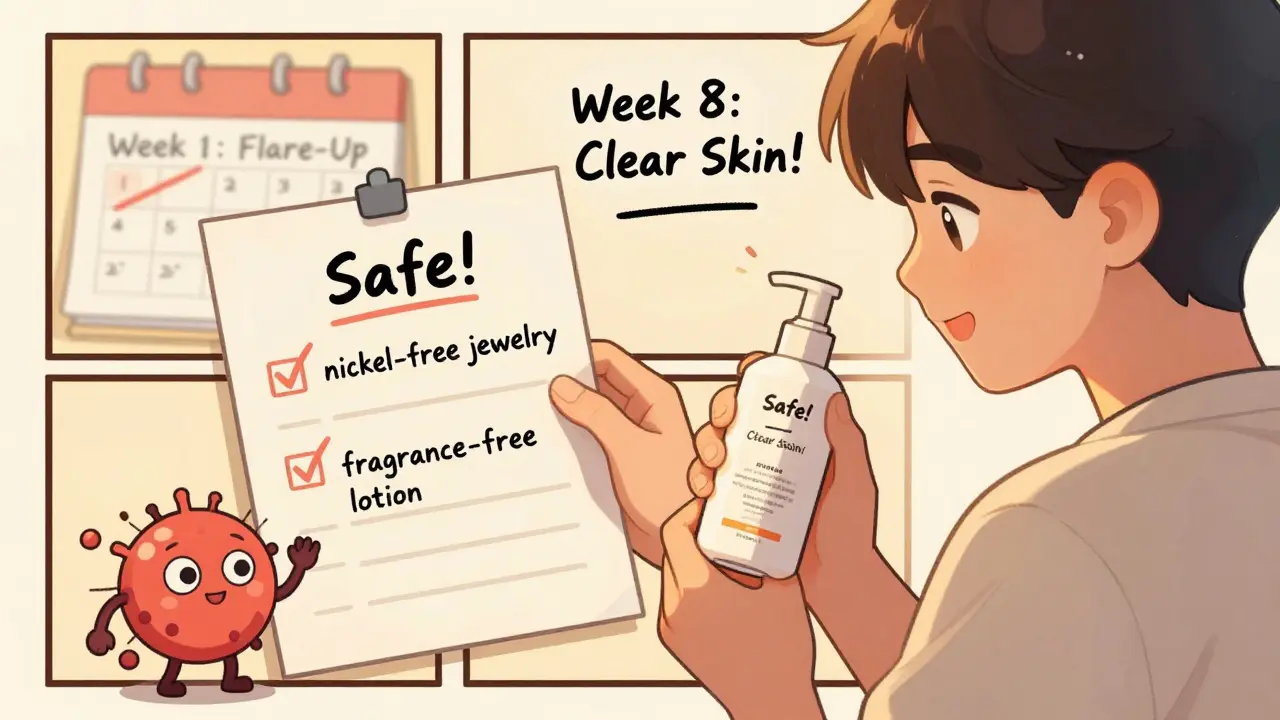
Your dermatologist will give you a personalized avoidance plan. For nickel, that might mean switching to plastic or titanium jewelry. For formaldehyde, switching to preservative-free skincare. For fragrances, choosing unscented laundry detergent and body wash. Some people make a list of safe products. Others use apps that scan barcodes for allergens.
Topical steroids help calm active flare-ups. Oral steroids are rare, only for severe cases. Antihistamines help with itching but don’t fix the root cause. The real fix? Avoidance. And education. Knowing your triggers lets you shop smarter, ask the right questions at the pharmacy, and avoid products that set off your skin.
Some people try "repeat open application testing" while waiting for patch results. You apply a suspect product-like your hand cream-to a small patch of forearm skin, twice a day, for 5 to 10 days. If no reaction shows up, it’s unlikely you’re allergic to it. It’s not a replacement for patch testing, but it can help rule things out.
Why Patch Testing Is Still the Gold Standard
There’s no other test like it. Blood tests? They don’t detect contact allergies. Skin prick tests? Only catch immediate reactions. Patch testing is the only way to identify the delayed immune response behind most stubborn skin rashes. It’s been used for over a century. The method hasn’t changed much-but the allergens have.
As products evolve, so do triggers. New chemicals appear in cosmetics, electronics, and food packaging. Dermatologists update their panels regularly. What was rare 10 years ago-like certain preservatives in vegan skincare-is now common. That’s why expanded panels matter. Your test should match your life.
And while it’s not perfect-it can’t catch every possible allergen, and there are thousands-it’s the most reliable tool we have. Studies show that patients who avoid their identified triggers see a 70-80% reduction in flare-ups within months. That’s life-changing.
When to Ask for Patch Testing
You should consider it if:
- Your rash keeps coming back in the same spots
- It flares after touching certain things (metal, perfume, gloves, tools)
- Over-the-counter creams don’t help
- You’ve had it for more than a few weeks
- You work with chemicals, water, or frequent handwashing
- You’ve tried everything else
Don’t wait until it’s chronic. The sooner you identify the trigger, the sooner your skin heals. And the less damage it does over time.
Final Thoughts
Your skin isn’t broken. It’s just reacting to something it shouldn’t. Patch testing gives you the power to find out what. It’s not glamorous. It’s not quick. But it’s the most effective way to end the guessing game. Once you know your triggers, you’re no longer at the mercy of random rashes. You can choose what touches your skin. And that’s freedom.
Can patch testing cause a bad reaction?
Patch testing uses very low concentrations of allergens, so severe reactions are rare. You might get redness, itching, or mild swelling at the test site-that’s the point. In rare cases, a strong reaction can cause blistering or even a temporary burn. If you feel intense pain, burning, or the area starts oozing, contact your dermatologist immediately. But these are exceptions, not the norm.
Do I need to stop using my skincare products before the test?
No. In fact, you should keep using your regular products unless your dermatologist says otherwise. Stopping them could make your skin heal, which might hide the real trigger. The test works best when your skin is in its usual state. Just avoid applying creams or lotions directly to your back where patches will go.
Can I do patch testing if my skin is currently flaring up?
Ideally, the test is done when your skin is calm. If your rash is active on your back, the dermatologist might use your arm or abdomen instead. But if your skin is severely inflamed all over, they may delay the test until things settle. Testing on broken skin can give false results.
Is patch testing covered by the NHS?
Yes, in most cases. If your GP refers you to a dermatology department, patch testing is typically covered under NHS services. Private clinics also offer it, but costs can range from £150 to £300. Always check with your provider first. Some NHS trusts have waiting lists, so plan ahead.
How long do I need to avoid allergens after a positive result?
For life. Once you’re sensitized to an allergen, your immune system remembers it. Even small, occasional exposure can trigger a reaction. Avoidance isn’t temporary-it’s permanent. That’s why reading labels and choosing products carefully becomes part of your daily routine. It’s not a sacrifice. It’s how you keep your skin healthy.
Are there any new allergens I should watch out for?
Yes. As products change, so do triggers. Recent concerns include certain preservatives like methylisothiazolinone (MI) and methylchloroisothiazolinone (MCI), which were common in wipes and lotions but are now being phased out. Also, new fragrances in "clean beauty" products, plant extracts like tea tree oil, and chemicals in 3D-printed materials are emerging. Your dermatologist’s panel should reflect current trends-ask if they use an updated baseline series.

Ian Glover
My name is Maxwell Harrington and I am an expert in pharmaceuticals. I have dedicated my life to researching and understanding medications and their impact on various diseases. I am passionate about sharing my knowledge with others, which is why I enjoy writing about medications, diseases, and supplements to help educate and inform the public. My work has been published in various medical journals and blogs, and I'm always looking for new opportunities to share my expertise. In addition to writing, I also enjoy speaking at conferences and events to help further the understanding of pharmaceuticals in the medical field.
8 Comments
-
Tiffany Channell
January 6, 2026 AT 03:06People treat this like magic. It’s just a delayed hypersensitivity reaction. If you’re allergic to nickel, you’ve probably been allergic since age 12. The test doesn’t reveal anything new-it just confirms what common sense should’ve told you years ago.
-
Joy F
January 6, 2026 AT 08:18Let’s be real-this isn’t about dermatology, it’s about capitalism. Corporations flood the market with untested chemicals, we pay for it in eczema, and then we’re told to buy ‘fragrance-free’ products at 3x the price. The system doesn’t want you healed-it wants you subscribed to a lifestyle brand. Patch testing? Just another toll booth on the road to corporate wellness.
They’ll patch-test you for PPD, but not for the 17 undisclosed solvents in your ‘natural’ shampoo. The real allergen is profit.
And don’t get me started on ‘paraben-free’ labels. That’s just a marketing loophole. They swap parabens for methylisothiazolinone, which is worse, and call it clean. We’re all lab rats in a beauty-industrial complex.
My dermatologist gave me a list. I gave it to my therapist. We cried together.
-
Haley Parizo
January 7, 2026 AT 22:06This isn’t just about skin. It’s about autonomy. Every time you read a label and choose what touches your body, you’re rejecting the passive consumption of toxic modern life. Patch testing is the first step toward bodily sovereignty.
We’ve been conditioned to trust ‘safe’ labels, but safety is a corporate construct. Your skin remembers what your mind forgets. The rash is your body’s protest.
When you avoid nickel, you’re not just avoiding a metal-you’re refusing to let corporations dictate the boundaries of your flesh. That’s revolutionary.
And yes, it’s inconvenient. So is living in a world that poisons you slowly and calls it progress.
-
Ian Detrick
January 8, 2026 AT 00:10Just had my patch test last week. Found out I’m allergic to formaldehyde and coconut diethanolamide. Switched to a new shampoo and body wash-no more itching. Life’s better now. If you’ve been struggling with random rashes, just do it. It’s not fun, but it’s worth it.
-
Angela Fisher
January 9, 2026 AT 15:35Have you ever wondered why they only test for 70-80% of allergens? Because the other 20% are the ones the big pharma companies make money off of. They don’t want you to know about the real triggers-they want you buying their steroids and creams forever.
Did you know the FDA doesn’t require full ingredient disclosure for ‘fragrance’? That’s not a loophole-it’s a conspiracy. They’re hiding chemicals that cause cancer, autoimmune issues, and chronic rashes.
I did my own test with a DIY patch kit I bought online. Got a reaction to my ‘organic’ hand soap. Turned out it had methylisothiazolinone. That’s the same chemical linked to the 2013 European outbreak of contact dermatitis in millions of people. They pulled it from wipes, but it’s still in your lotion.
And don’t even get me started on the NHS waiting lists. They delay your test so you keep using their prescription creams. It’s all about the money.
I started scanning every product with my phone. Now I have a spreadsheet of 200 safe items. I’m not paranoid-I’m prepared.
They’re lying to you. Don’t believe the hype. Your skin is screaming. Listen.
-
Neela Sharma
January 11, 2026 AT 09:51My skin used to scream every morning-red, burning, like I’d been dipped in fire. I thought it was stress. Turns out? My favorite coconut soap had diethanolamide. One swap. One week. Skin like silk. No more crying in the shower.
Life is too short for invisible poisons. Read labels like your life depends on it-because it does.
-
Liam Tanner
January 13, 2026 AT 00:26For anyone thinking about patch testing: don’t wait. I waited five years. My skin was a battlefield. The test didn’t just find triggers-it gave me back my confidence. I used to avoid hugs because my arms looked raw. Now I wear short sleeves. That’s not just skincare-that’s healing.


Write a comment
More Articles

FDA Safety Communications Archive: How to Research Historical Drug and Device Warnings
Learn how to access and use the FDA Safety Communications Archive to research historical drug and medical device warnings. Find official alerts, labeling changes, and safety updates from 2010 to today.

Tadacip (Tadalafil) vs Other ED Pills: Complete Comparison Guide
A thorough comparison of Tadacip (tadalafil) with sildenafil, vardenafil, avanafil, and generic tadalafil, covering onset, duration, side effects, cost and how to choose the best ED pill.
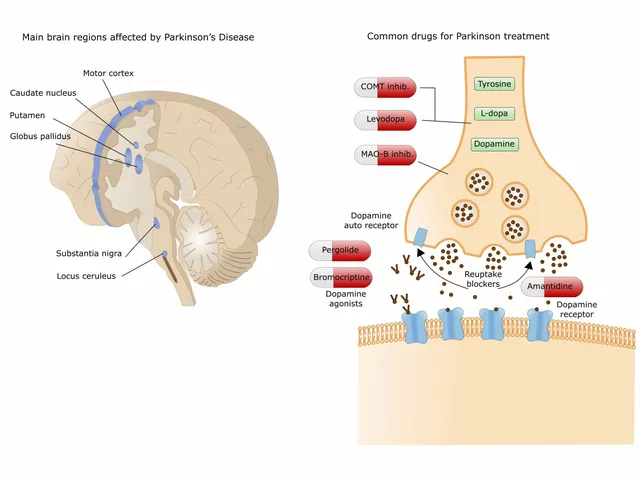
The potential benefits of betahistine for individuals with Parkinson's disease
In my recent exploration, I discovered the potential benefits of Betahistine for those living with Parkinson's disease. This medication, often used for vertigo, could potentially improve symptoms of this neurodegenerative condition. Researchers suggest that Betahistine might have the ability to reduce tremors and improve motor function. There is also a belief that it could enhance cognitive abilities and alleviate depression often associated with Parkinson's disease. However, it's important to note that more research is needed to confirm these potential benefits.
Kerry Howarth
January 5, 2026 AT 01:40Patch testing saved my skin. After years of guessing, I found out my daily hand cream had nickel. Switched brands, no more rashes. Simple fix, huge difference.