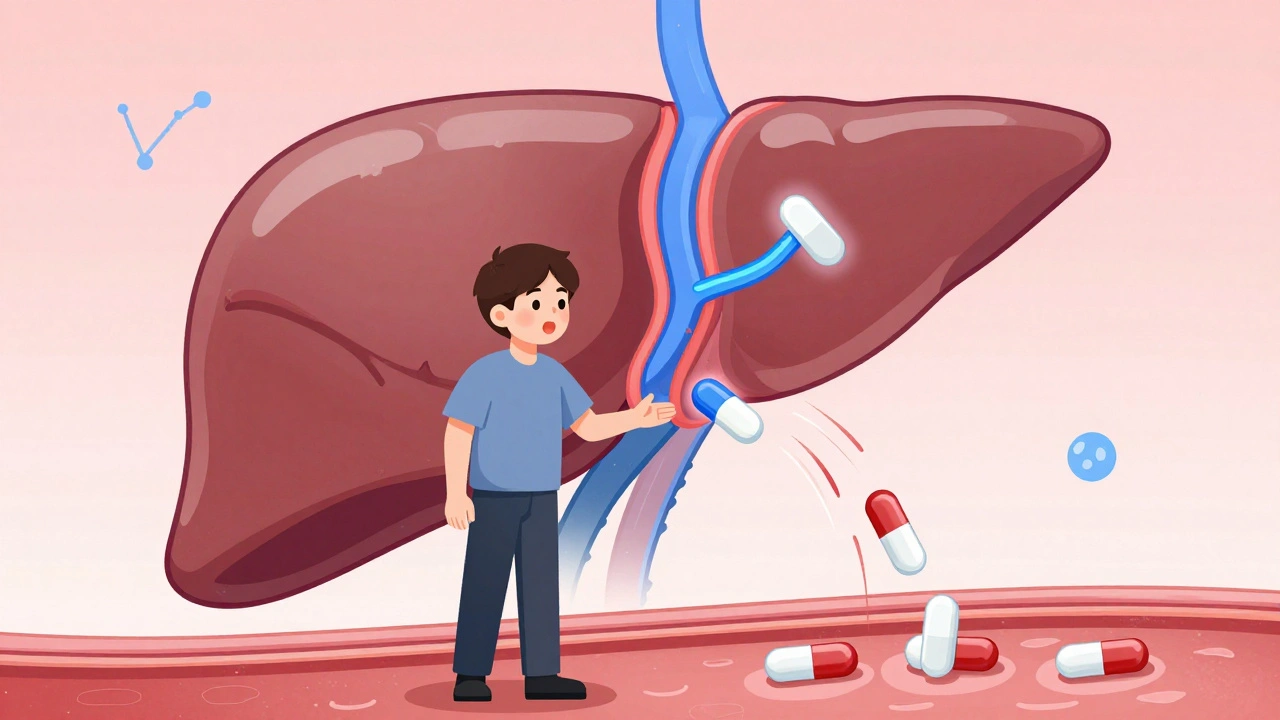
For millions of people, statin medications are a daily part of life - just like brushing your teeth or taking a multivitamin. But while many know statins help lower cholesterol, far fewer understand the real trade-offs. You take them to avoid a heart attack. But then your legs ache. Or your shoulders feel stiff. And suddenly, you’re wondering: is this worth it?
How Statins Actually Lower Cholesterol
Statins don’t just "lower cholesterol" - they reprogram how your liver works. These drugs block an enzyme called HMG-CoA reductase, the main switch your liver flips to make cholesterol. When that switch is turned off, your liver starts pulling more LDL (bad) cholesterol out of your bloodstream to compensate. It’s not magic. It’s biology.
On average, a standard dose of a statin like atorvastatin or rosuvastatin cuts LDL cholesterol by about 70 mg/dL. That’s not a small drop. For someone with an LDL of 190, that brings them down to a safer range - often below 120. And the results? Studies show this kind of reduction cuts the risk of heart attack or stroke by up to 60% over five years. That’s not theoretical. It’s been proven in over 200 clinical trials involving more than a million people.
It’s not just about LDL, either. Statins also reduce inflammation in your artery walls. They make plaque less likely to rupture - the main cause of heart attacks. Some studies even show improved blood flow within months, even before cholesterol numbers change much. That’s why doctors call these effects "pleiotropic" - they do more than one thing.
Who Benefits Most From Statins?
Not everyone needs a statin. The guidelines are clear: if you’ve already had a heart attack, stroke, or bypass surgery, you’re a strong candidate. Same if you have diabetes and are over 40, or if your 10-year risk of a cardiovascular event is over 7.5% - which most doctors calculate using tools like the ACC/AHA risk estimator.
But here’s what most people don’t realize: the bigger your baseline risk, the bigger the benefit. Someone with an LDL of 190 and high blood pressure gets far more protection than someone with an LDL of 140 and no other risk factors. That’s why doctors don’t just look at numbers - they look at your whole picture: age, family history, smoking, blood pressure, and whether you’ve got fat around your middle.
For those with moderate risk, the decision gets trickier. That’s where the conversation about muscle pain starts to matter.
The Muscle Pain Problem: Real, But Often Misunderstood
Muscle pain is the most common reason people stop taking statins. And yes, it’s real. About 1 in 10 people report aches, cramps, or weakness - usually in the thighs, shoulders, or calves. But here’s the twist: in most cases, it’s not caused by the statin.
Studies show that when people who quit statins due to muscle pain are put on a placebo (a sugar pill), about 70% still feel the same pain. That means their symptoms were likely from aging, lack of movement, vitamin D deficiency, or another condition - not the drug.
True statin-related muscle damage - called statin-associated muscle symptoms, or SAMS - affects 5-10% of users. The rare but dangerous form, rhabdomyolysis (muscle tissue breaking down), happens in fewer than 1 in 1,000 people per year. You’d know if you had it: your muscles would feel extremely sore, your urine might turn dark, and your creatine kinase (CK) levels would spike. It’s not something you miss.
But here’s the problem: many doctors don’t test CK levels unless symptoms are severe. And patients often assume any ache is from the statin. So they quit - and lose the protection.
What to Do If You Have Muscle Pain
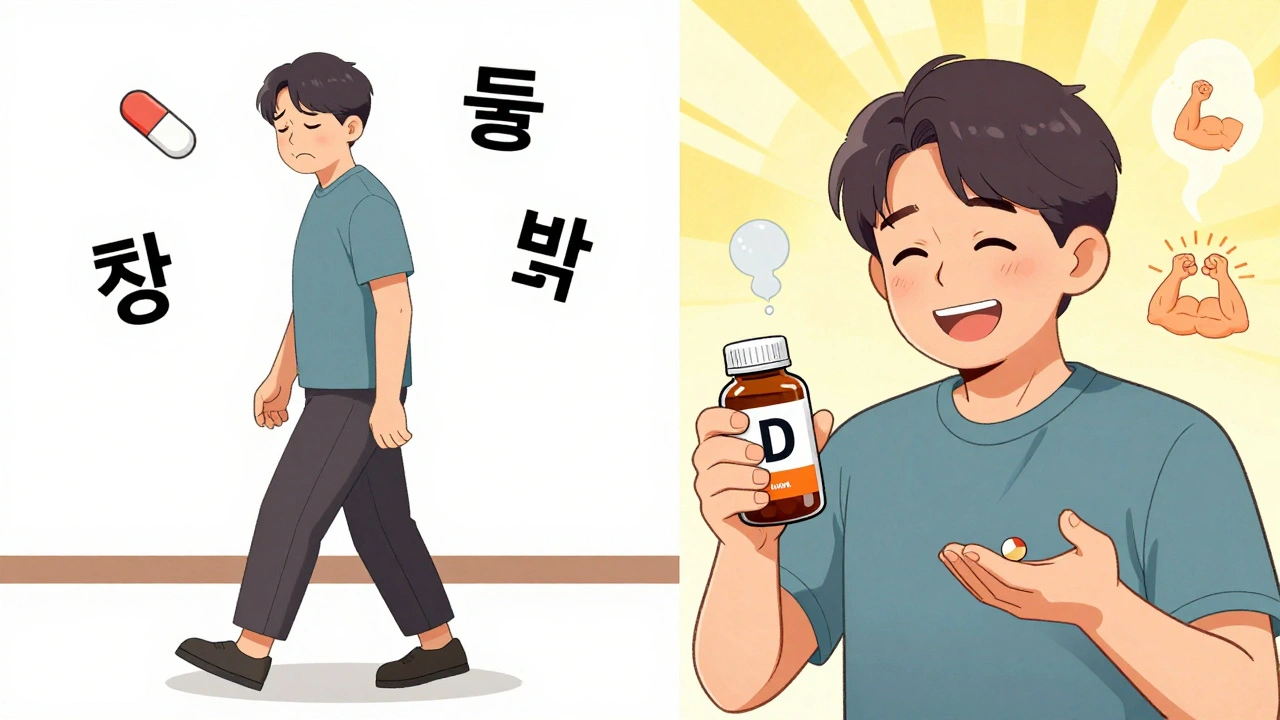
If you’re on a statin and your muscles hurt, don’t just stop. Talk to your doctor. There are several proven ways to fix this without losing the benefits.
- Switch statins. Not all statins are the same. Simvastatin and lovastatin are more likely to cause muscle issues. Pravastatin and fluvastatin are gentler on muscles. Many people find relief just by switching from atorvastatin to pravastatin.
- Lower the dose. Sometimes half a tablet works just as well for heart protection - especially if your LDL is already below target.
- Try every-other-day dosing. Some statins, like atorvastatin and rosuvastatin, last long enough in your body that taking them every other day still keeps LDL low.
- Check your vitamin D and thyroid. Low levels of either can mimic statin muscle pain. A simple blood test can rule these out.
- Consider CoQ10. Statins lower CoQ10, a compound your muscles need for energy. Some people report less pain after taking 100-200 mg daily. The science isn’t perfect, but it’s low-risk and worth a try.
One patient I know - a 62-year-old teacher from Birmingham - switched from rosuvastatin to pravastatin after six months of leg cramps. Within two weeks, the pain was gone. Her LDL stayed at 88. She’s still on it three years later.
Why People Quit - And Why That’s Dangerous
Here’s the scary part: nearly half of people stop taking statins within a year. Why? Because they feel something odd. They read a blog. They hear a story on Reddit. They assume the pain is from the pill.
But stopping statins isn’t like quitting caffeine. It’s like turning off a fire alarm you didn’t know was on. A 2014 study in JAMA Internal Medicine found that people who quit statins had a 33% higher risk of heart attack or death within the next year - even if their cholesterol was only slightly elevated.
And here’s the irony: the people who benefit most from statins - those with diabetes, high blood pressure, or a family history - are the ones most likely to quit because they’re afraid of side effects. Meanwhile, the people who take them for minor cholesterol spikes often don’t feel any benefit at all. That’s why personalization matters.
What’s New in Statin Research?
Science is moving fast. Stanford researchers found in 2023 that statins don’t just lower cholesterol - they help repair the lining of blood vessels. That’s a big deal. It means the protection comes from more than just numbers on a lab report.
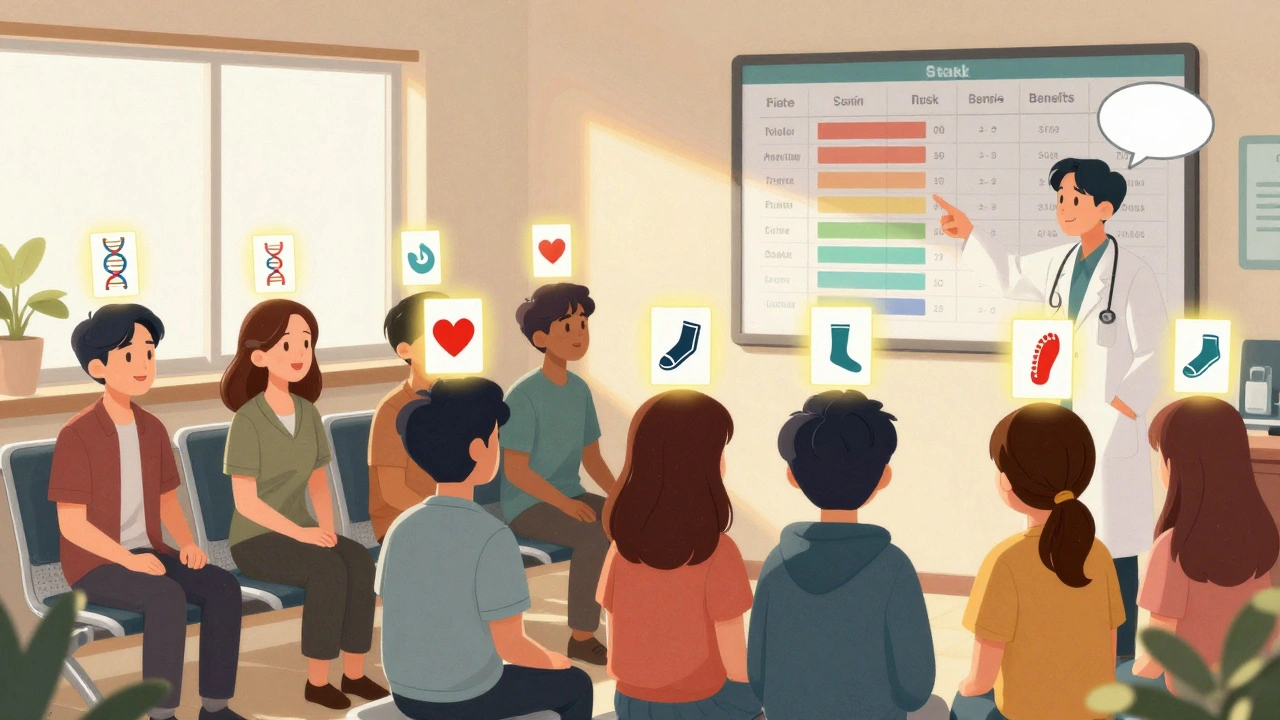
Researchers are also looking at genetics. Some people have a variant in the SLCO1B1 gene that makes them more likely to get muscle pain from simvastatin. Testing for this isn’t routine yet, but it’s coming. In the future, your doctor might check your DNA before prescribing a statin - not to scare you, but to pick the right one.
There’s also talk of new statin-like drugs that keep the heart benefits but skip the muscle side effects. Early trials are promising. But for now, the old ones still work - if you use them right.
When Statins Aren’t Right for You
Statins aren’t for everyone. Avoid them if:
- You’re pregnant or planning to be.
- You have active liver disease.
- You drink heavily on a regular basis.
- You’re over 80 and have no history of heart disease - the risks may outweigh the benefits.
And if you’re healthy, with no risk factors, and your LDL is only slightly high - lifestyle changes are usually better than pills. Walk more. Eat more fiber. Cut out sugary drinks. Lose 5% of your body weight. These moves can cut LDL by 20-30% - without a single pill.
The Bottom Line
Statins save lives. That’s not up for debate. For people at risk, they’re one of the most effective tools in modern medicine.
But they’re not perfect. Muscle pain is real - but often not from the drug. And quitting because of it can be deadly.
If you’re on a statin and feel fine - keep taking it. If you’re on one and feel pain - don’t quit. Talk to your doctor. Try a different statin. Test your vitamin D. Adjust the dose. There’s almost always a way to make it work.
And if you’re not sure you need one? Ask for a full risk assessment. Don’t just go by your cholesterol number. Look at your whole health. Because the goal isn’t to get a perfect lab result. It’s to live longer - and feel better while you do.

Ian Glover
My name is Maxwell Harrington and I am an expert in pharmaceuticals. I have dedicated my life to researching and understanding medications and their impact on various diseases. I am passionate about sharing my knowledge with others, which is why I enjoy writing about medications, diseases, and supplements to help educate and inform the public. My work has been published in various medical journals and blogs, and I'm always looking for new opportunities to share my expertise. In addition to writing, I also enjoy speaking at conferences and events to help further the understanding of pharmaceuticals in the medical field.
9 Comments
-
nina nakamura
December 15, 2025 AT 19:23People who quit statins are just weak. If you can’t handle a little muscle soreness then you shouldn’t be allowed to make decisions about your health. Your body isn’t a temple-it’s a machine. Fix the machine.
-
Constantine Vigderman
December 15, 2025 AT 20:52OMG YES!! I was terrified of statins too until my doc said ‘try pravastatin’ and boom-no more leg cramps!! I’m alive and my LDL is 85!! 🙌 You can do this!! Don’t give up!!
-
Harriet Wollaston
December 16, 2025 AT 04:00I had terrible muscle pain on atorvastatin. I thought I had to quit-until my doctor checked my vitamin D. Turns out I was severely deficient. After two months of supplements? The pain vanished. Statins stayed. Life improved. Just don’t assume it’s the pill.
-
Lauren Scrima
December 17, 2025 AT 19:27So… you’re telling me the same people who think vaccines are microchips also think statins are poison? 🤦♀️
-
sharon soila
December 18, 2025 AT 14:20Health is not a number on a chart. It is the quiet morning walk. It is the ability to carry groceries without wincing. It is the peace of knowing you are doing your best to live well. Statins are tools. Not masters. Listen to your body. But do not let fear silence wisdom.
-
Casey Mellish
December 19, 2025 AT 15:47As an Aussie who’s been on rosuvastatin for 8 years, I can confirm: switched from simvastatin after calf cramps. Pravastatin saved my life. No side effects. My cardiologist said my artery health looks like a 40-year-old’s. Don’t let fear steal your future.
-
Cole Newman
December 21, 2025 AT 09:59Wait, so you’re saying if I feel sore, it’s probably NOT the statin? But my cousin’s dog had muscle pain after eating a pill and died? So… yeah, I’m stopping. Science is just a theory anyway.
-
Ronan Lansbury
December 21, 2025 AT 20:06Let me tell you about the real conspiracy: statins were designed by the pharmaceutical-industrial complex to keep the masses docile and medicated while the elite enjoy longevity through gene therapy and stem cells. You think your LDL of 88 is progress? It’s just another cage. Wake up. The system wants you dependent. Don’t be fooled by ‘pleiotropic effects.’ That’s jargon to mask control.


Write a comment
More Articles
Fiber Supplements and Medications: When to Take Them to Avoid Absorption Problems
Fiber supplements can block the absorption of key medications like thyroid pills, blood thinners, and antibiotics. Learn the safe timing rules to avoid dangerous interactions and keep your meds working properly.
Biosimilar Medications: Are They Safe and Effective? The Real Facts
Biosimilar medications are proven to be as safe and effective as their brand-name biologics, with decades of real-world use and regulatory oversight. They offer major cost savings without compromising outcomes.
Renal Ultrasound and Imaging: Evaluating Obstruction and Size
Renal ultrasound is the safest, most widely used first-line tool for evaluating kidney obstruction and size. It detects hydronephrosis, measures kidney length and blood flow, and avoids radiation - making it ideal for kids, pregnant patients, and repeat monitoring.
Hamza Laassili
December 14, 2025 AT 09:15Statins are just another Big Pharma scam to keep us hooked on pills while they get richer!! I read on a forum that the FDA knew about the muscle damage for decades but buried the data!! My uncle took one and ended up in a wheelchair-no joke!!