Antacids Safe in Pregnancy: What Works and What to Avoid
When you're pregnant, heartburn isn't just annoying—it can feel relentless. Antacids, over-the-counter medications that neutralize stomach acid to relieve heartburn and indigestion. Also known as acid reducers, they're one of the most common remedies used by expecting mothers. But not all antacids are created equal. Some contain ingredients that could affect your baby’s development or your own health, especially if used long-term. The good news? Several options are considered safe when used correctly, and knowing the difference can make your pregnancy much more comfortable.
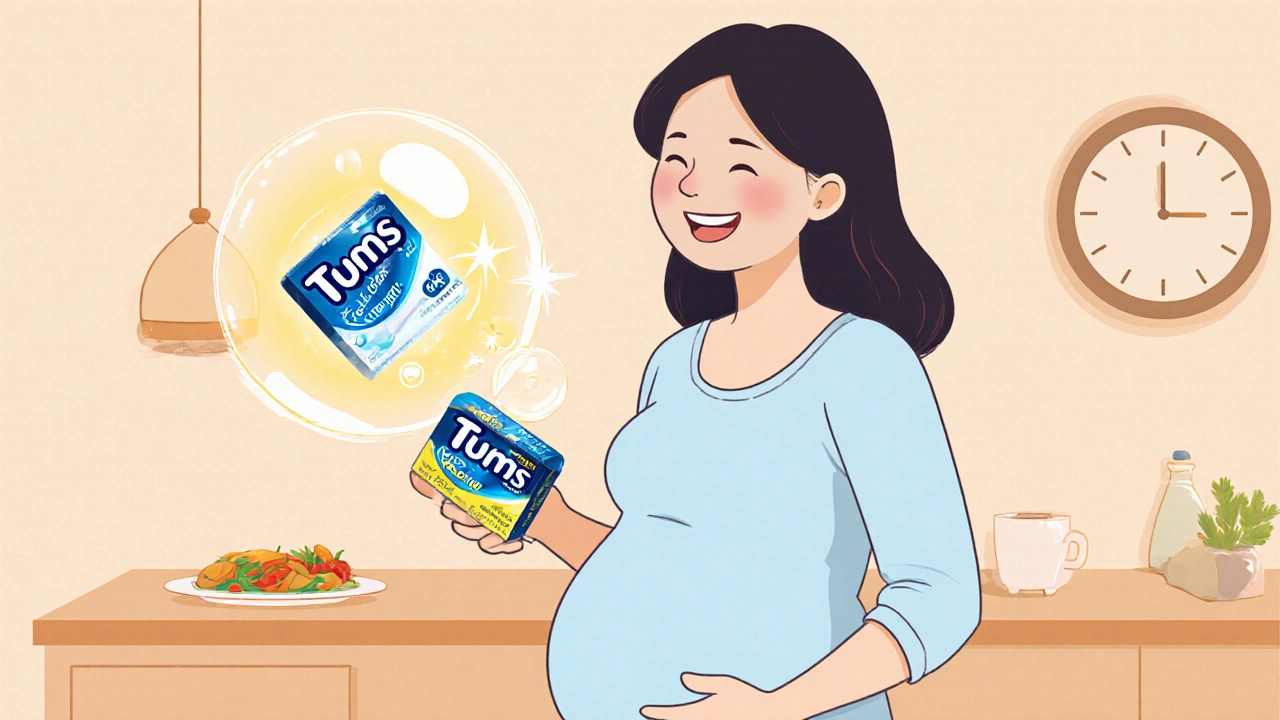
The most trusted antacids during pregnancy include those with calcium carbonate, a common active ingredient that neutralizes acid and also provides supplemental calcium. Brands like Tums fall into this category and are often recommended by OB-GYNs because they’re effective and help meet daily calcium needs—something your growing baby requires. magnesium hydroxide, another common ingredient found in products like Milk of Magnesia, is also generally safe in small doses, but too much can cause diarrhea or affect uterine contractions. On the flip side, avoid antacids with aluminum hydroxide, which can lead to constipation and has been linked to lower fetal weight in rare cases, and steer clear of those containing sodium bicarbonate, also called baking soda, because it can cause fluid retention and raise blood pressure. Always check the label: if it says "low sodium" or "no added salt," that’s a better pick.
Many women reach for antacids daily, but it’s not a long-term fix. If heartburn keeps coming back, it might be your diet, posture, or eating habits—not just stomach acid. Eating smaller meals, avoiding spicy or fatty foods, staying upright after eating, and sleeping with your head slightly elevated can cut symptoms significantly. And if you’re already taking prenatal vitamins with iron, some antacids can interfere with its absorption, so space them out by a couple of hours.
What you’ll find in the posts below isn’t just a list of brands. It’s real-world insight from people who’ve been there: which antacids worked without side effects, what alternatives helped when antacids didn’t cut it, and how to spot the hidden risks in seemingly harmless pills. You’ll also see how calcium supplements like calcium carbonate connect to bone health during pregnancy, and why some ingredients that seem safe on paper can still cause problems in practice. This isn’t guesswork—it’s what works, what doesn’t, and what your doctor might not have told you.
Heartburn Medications in Pregnancy: Safe Options for Antacids, H2 Blockers, and PPIs
Learn which heartburn medications are safe during pregnancy, including antacids like Tums, H2 blockers like famotidine, and PPIs like omeprazole. Discover what to avoid and how to manage symptoms naturally.