Cancer Medication Combinations: What Works, What Risks, and What You Need to Know
When doctors talk about cancer medication combinations, the use of two or more drugs together to attack cancer from different angles. Also known as combination therapy, it's not just about using more drugs—it's about using the right ones at the right time to stop cancer from adapting and surviving. This isn't science fiction. It's standard care for many types of cancer today, from breast and lung to melanoma and leukemia.
One big reason combination therapy works is that cancer doesn't fight back the same way twice. A drug that kills 90% of tumor cells might leave behind the toughest 10%. Add a second drug that targets a different weakness, and you cut those survivors down too. Chemotherapy regimens, classic drug mixes like FOLFOX for colon cancer or AC-T for breast cancer have been around for decades. But now, they're often layered with newer tools like targeted therapy, drugs that lock onto specific proteins cancer cells rely on, like EGFR or BRAF inhibitors and immunotherapy, medicines that wake up your immune system to recognize and destroy cancer cells. These aren't just add-ons—they're game-changers.
But mixing drugs isn't risk-free. More drugs mean more side effects. Fatigue, nerve damage, low blood counts, and digestive issues can pile up fast. Some combinations can even raise the chance of heart problems or secondary cancers later. That’s why doctors don’t just pick any two drugs—they look at your cancer type, your genetics, your age, and even your other health conditions. A combo that works for one person might be too harsh or useless for another. That’s why personalized treatment plans matter more than ever.
You’ll find real-world examples of these decisions in the posts below. Some cover how patients manage fatigue from chemo combos, others show how side effects from targeted drugs are handled without quitting treatment. You’ll see how immunotherapy is paired with older drugs, and how doctors decide when to stop one drug and add another. There’s no one-size-fits-all answer—but the information here gives you the questions to ask, the signs to watch for, and the options to explore with your care team.
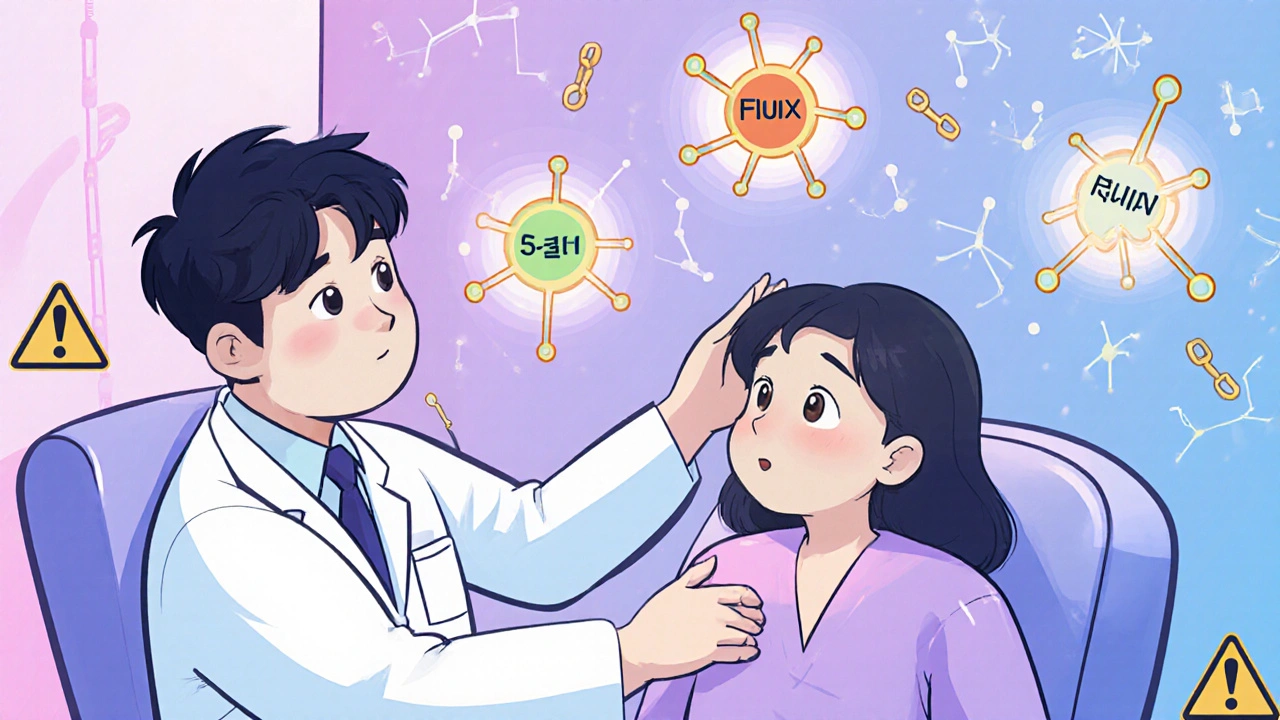
Cancer Medication Combinations: Bioequivalence Challenges for Generics
Generic cancer drugs save money, but combining them introduces serious bioequivalence risks. Learn why swapping one component in a combo therapy can change outcomes-and how regulators, hospitals, and patients are adapting.