Dental Anesthesia: What You Need to Know About Pain Control During Dental Procedures
When you sit in the dentist’s chair, dental anesthesia, a medical technique used to block pain during dental work. Also known as local numbing agents, it’s what lets you get fillings, root canals, or extractions without flinching. It’s not magic—it’s chemistry. Drugs like lidocaine and articaine block nerve signals in your mouth, so your brain never gets the "ouch" message. Most people don’t think about it until they feel that strange tingle, then the numbness. But knowing how it works, what’s in it, and what alternatives exist can make your next visit less stressful and more safe.
Dental anesthesia isn’t just one thing. There’s local anesthetics, injections that target specific areas like a single tooth or gum section, and then there’s dental sedation, options like nitrous oxide or oral pills that help you relax while staying awake. You might not need a shot if you’re just getting a cleaning, but if you’re having a wisdom tooth pulled, you’ll likely get both. Some people panic at the sight of a needle—even if they know it’s just for numbing. That’s where sedation comes in. It doesn’t knock you out, but it takes the edge off. And if you’re allergic to certain anesthetics or have heart conditions, your dentist needs to know. Not all numbing agents are created equal. Epinephrine is often added to make the numbness last longer, but it can raise your heart rate. If you’re on beta-blockers or have anxiety, that matters.
What you might not realize is that the type of dental anesthesia used can affect how long you’re numb afterward. Some people walk out of the office and can’t speak clearly for hours. Others feel back to normal in 90 minutes. It depends on the drug, the dose, and your body’s metabolism. Kids, older adults, and people with liver or kidney issues process these drugs differently. That’s why your dentist asks so many questions before they grab the syringe. And while most dental anesthesia is routine and safe, mistakes happen—like injecting into a blood vessel or using too much. That’s why trained professionals follow strict protocols. You don’t need to be an expert, but knowing the basics helps you ask the right questions. Is there a non-epinephrine option? Can I try nitrous oxide first? What if I’m nervous? These aren’t silly questions. They’re smart ones.
Behind every quiet patient in the chair is a well-planned approach to pain control. The tools have improved—better needles, faster-acting gels, and even computer-controlled delivery systems that ease the injection. But the real breakthrough isn’t the tech. It’s the awareness. More dentists now talk through the process instead of just doing it. They check in. They give you control. And they listen. That’s the kind of care that turns a scary experience into something manageable. Below, you’ll find real stories and practical advice from people who’ve been there—whether they needed a simple filling or a full-mouth reconstruction. You’ll learn what to expect, what to ask, and how to make sure your next dental visit goes smoothly.
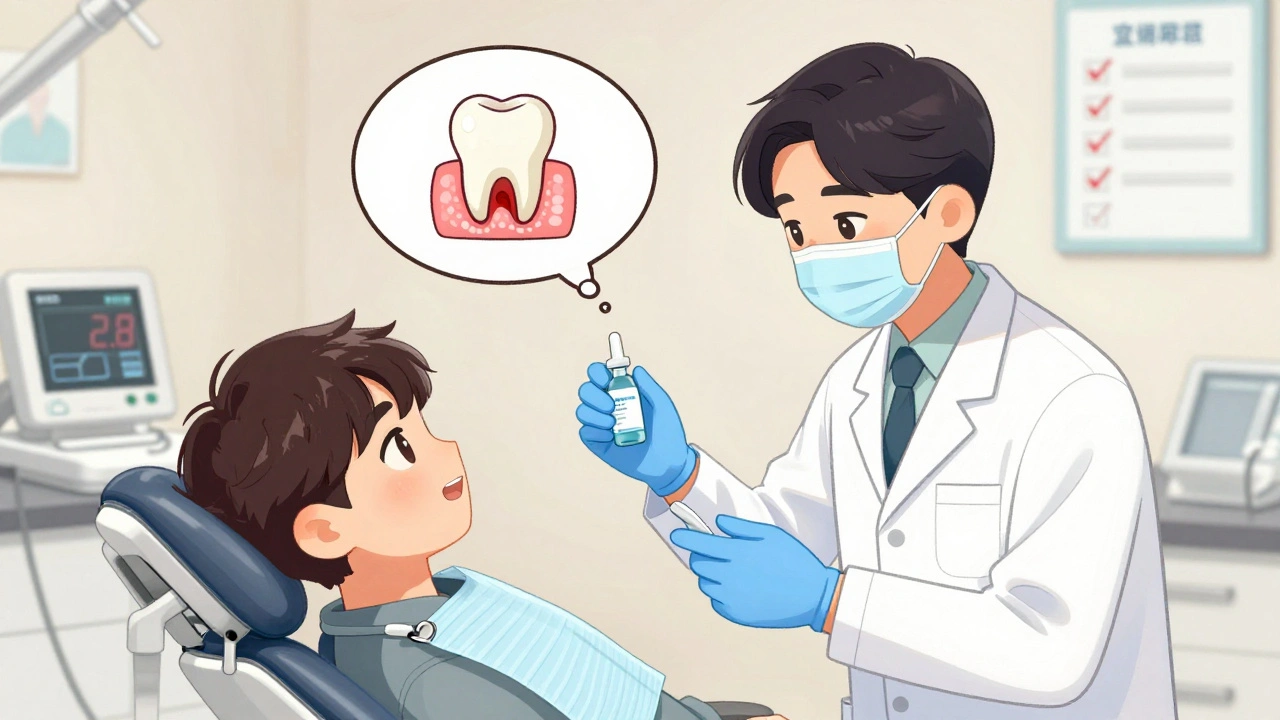
Dental Anesthesia and Anticoagulants: How to Safely Manage Bleeding Risks
Learn how to safely manage dental procedures while on blood thinners. Discover why stopping anticoagulants is often riskier than bleeding, and what dentists actually do to control bleeding without interrupting your medication.