First Generic Exclusivity: What It Means for Drug Access and Costs
When a brand-name drug’s patent runs out, the first generic exclusivity, a 180-day period granted by the FDA to the first generic manufacturer to successfully challenge a patent and file an abbreviated new drug application. It’s not a patent extension—it’s a reward for taking the legal and financial risk to bring down drug prices. This window lets that first generic maker be the only one selling the cheaper version, which often triggers big price drops right away. But here’s the catch: if that company delays launching, or if legal battles drag on, you might not see savings for months—even years—after the brand drug’s patent expires.
Think of FDA exclusivity, a regulatory incentive designed to encourage generic competition by giving the first filer a temporary monopoly. It’s different from patent protection, which belongs to the original drugmaker. This system was built to balance innovation with access. The generic drugs, lower-cost versions of brand-name medications that meet the same safety and effectiveness standards. It’s not just about saving money—it’s about keeping treatments available when millions depend on them. For example, when the first generic version of a high-cost cholesterol drug hits the market under exclusivity, prices can drop 80% within weeks. But if the company holds off, pharmacies and patients are stuck paying brand prices longer.
That’s why drug pricing, the cost of medications to consumers and insurers, heavily influenced by the timing of generic entry. It’s not just about who files first—it’s about who actually gets the drug to shelves. Some companies file for exclusivity but don’t launch right away, waiting for competitors to enter and then undercutting them. Others get caught in patent litigation loops, delaying access for everyone. The pharmaceutical patents, legal protections that give brand-name companies exclusive rights to sell a drug for a set period. They’re the starting line, but exclusivity is the race to the finish.
You’ll see this play out in posts about how generic cancer drugs face bioequivalence challenges, how statins affect blood sugar, or why switching asthma inhalers can be risky. These aren’t random topics—they’re all connected to the moment a generic drug enters the market. First generic exclusivity shapes everything: which meds get cheaper, when they get cheaper, and who benefits. It’s the hidden force behind your prescription cost, your pharmacy’s stock, and even your doctor’s prescribing habits.
What follows is a collection of real-world stories from pharmacies, hospitals, and patients—each one touching on how generic availability, delays, or substitutions impact health outcomes. You’ll find guides on drug interactions, safety checks, and how to spot when your medication changed without you knowing. This isn’t just about rules and regulations. It’s about your health, your money, and your right to affordable care.
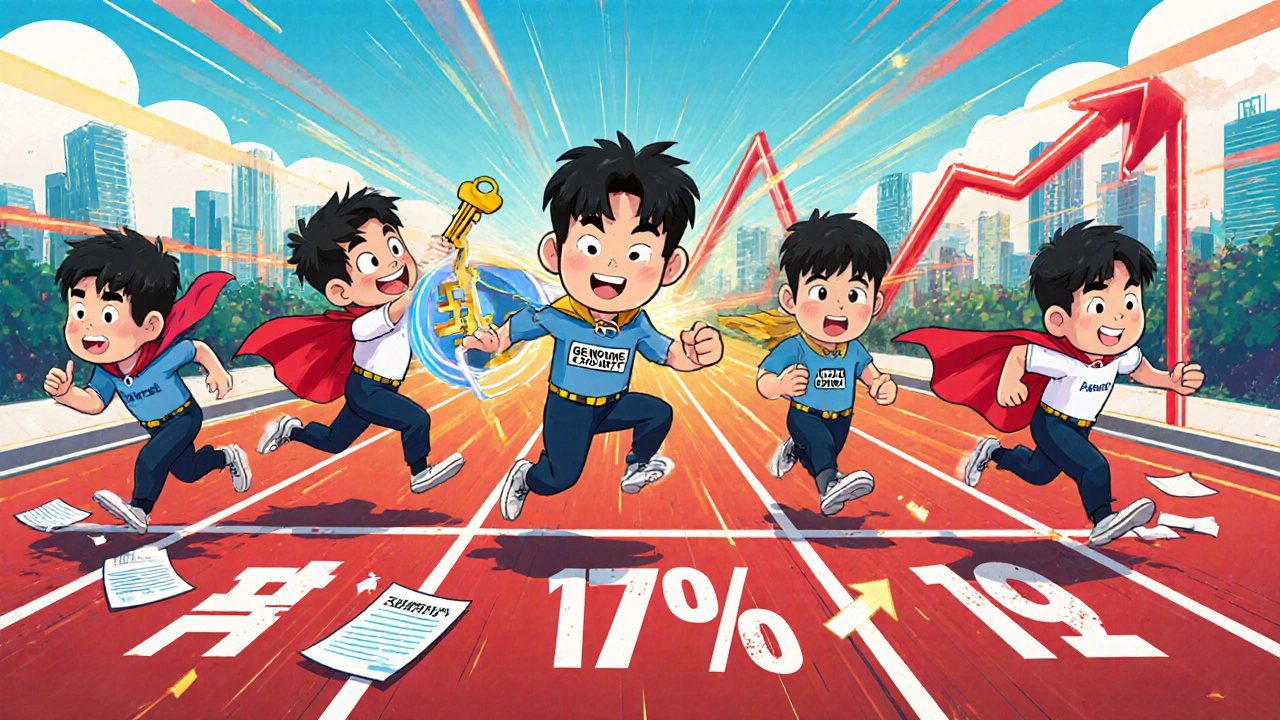
Multiple Generics: How Competitors Enter After the First Generic Market Entrant
After the first generic enters the market, a wave of competitors follows, causing prices to plummet. Learn how patent rules, authorized generics, and PBM contracts shape the race to the bottom-and why shortages follow.