Generic Drugs 2025: What's Changing, What's Safe, and What You Need to Know
When you pick up a generic drug, a medication that contains the same active ingredient as a brand-name drug but is sold under its chemical name. Also known as non-brand medication, it works the same way, costs far less, and is approved by the FDA—but in 2025, things aren’t as simple as they used to be. More than 90% of prescriptions filled in the U.S. are for generics, but the landscape is shifting fast. What used to be a straightforward swap for a cheaper pill is now tangled up with foreign manufacturing risks, sudden appearance changes, and price crashes that lead to shortages.
One big reason? The first generic market entrant, the first company to launch a generic version after a brand-name patent expires. Also known as first-to-file generic, it gets a 180-day window to sell without competition—then the floodgates open. Suddenly, ten other companies jump in, prices drop by 80% or more, and some manufacturers quit because they can’t make money. That’s how you get shortages of common drugs like metformin or levothyroxine. And when production moves overseas—often to countries with less oversight—the risk of foreign manufacturing quality issues, problems like contaminated ingredients, incorrect dosing, or falsified records in overseas drug plants. Also known as overseas production risks, these issues have led to a spike in FDA recalls since 2023. You might not know it, but the pill you took yesterday could look different today. Color, shape, size—none of that affects safety, but it scares people into stopping their meds. That’s why the FDA and pharmacies are pushing generic pill appearance changes, legally allowed updates to a generic drug’s look that don’t alter its effectiveness. Also known as pill redesign, these changes are routine, but poorly communicated. Patients think they got the wrong medicine. Pharmacists get calls. ER visits go up. And all because no one told them the pill just got a new face.
What’s next? More transparency. More scrutiny. More confusion. In 2025, you’ll see more FDA drug recalls, official warnings and removals of drugs due to safety concerns, often tied to manufacturing flaws. Also known as drug safety alerts, these are becoming more frequent as supply chains stretch thinner. You’ll also see more generic price erosion, the rapid drop in cost after multiple generics enter the market, sometimes leading to supply disruptions. Also known as price collapse, this isn’t always a win for patients if it means the drug disappears from shelves. But there’s good news too: better patient education tools, like infographics and clear labeling, are helping people understand that a different-looking pill isn’t a dangerous one. You’re not alone if you’re confused. Millions are. But now you know what to look for—and what to ignore.
Below, you’ll find real stories, real data, and real advice from people who’ve been through it: the pharmacist who saw patients quit their meds over a color change, the patient who caught a counterfeit pill, the doctor who had to switch a cancer patient’s combo therapy because a generic component wasn’t bioequivalent. These aren’t hypotheticals. They’re happening now. And you deserve to know what’s in your medicine—and why it might look different tomorrow.
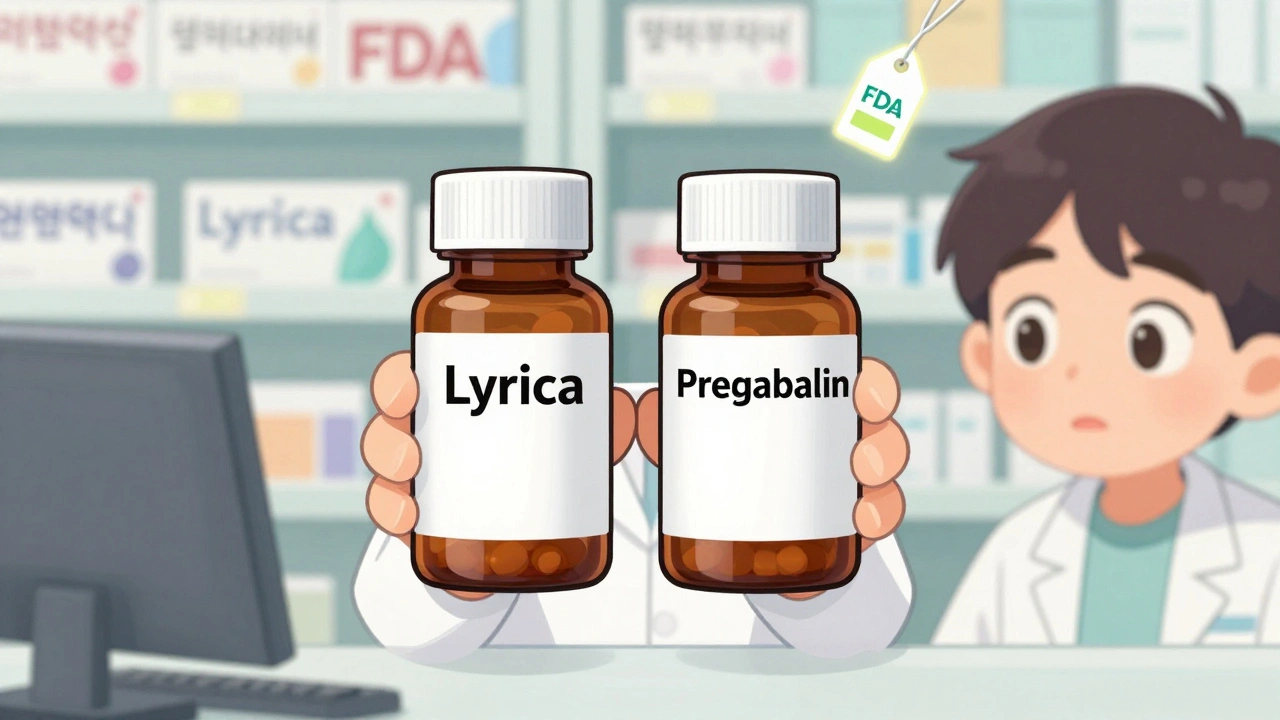
Recent Authorized Generic Approvals: Current Options and Market Trends
Authorized generics are exact copies of brand-name drugs, made by the same company. In 2025, their approvals have dropped sharply due to FTC crackdowns and a shift toward biosimilars. Learn which ones are available and how to identify them.