Generic Pill Changes: What Happens When Switching Brands and Why It Matters
When you pick up a prescription and the pill looks different—maybe it’s a different color, shape, or even has a new imprint—it’s likely a generic pill change, a substitution of a brand-name drug with a chemically identical version approved by the FDA. Also known as generic drug substitution, it’s meant to save money without sacrificing effectiveness. But for some people, that switch isn’t as seamless as the label suggests.
Not all generic pills behave the same in your body. While they must contain the same active ingredient, differences in fillers, coatings, or how quickly the pill breaks down can change how much medicine enters your bloodstream. This is called bioequivalence, the measure of how similarly a generic drug performs compared to the brand version. For most drugs, these small differences don’t matter. But for narrow-therapeutic-index medications—like blood thinners, thyroid pills, or seizure drugs—even a 10% shift can cause side effects or reduce effectiveness. That’s why some patients report feeling off after a switch, even when their doctor says it’s "the same thing."
These changes also pile up when multiple generics enter the market. After the first generic arrives, others follow fast, and each one might use a different manufacturer’s formula. Hospitals and pharmacies often swap generics based on cost, not patient experience. That’s why you might notice a difference after a refill—even if you didn’t ask for a change. Drug interactions, how one medication affects another in your system can also shift when the generic changes, especially if you’re on multiple prescriptions. A new filler might interfere with absorption, or a different coating might delay release, messing with how your other meds work.
And it’s not just about chemistry. The way your body reacts to a pill isn’t just about the drug—it’s about your genetics, your diet, your liver function, and even your stress levels. Some people are more sensitive to these tiny variations. If you’ve ever felt dizzy, tired, or had a flare-up of symptoms after switching generics, you’re not imagining it. Studies show that patients on chronic meds like warfarin or levothyroxine report more issues after generic switches than those on simple antibiotics.
What you’ll find below is a collection of real-world stories and science-backed guides on how generic pill changes affect people. From cancer drug combos where bioequivalence can mean the difference between treatment success and failure, to how post-menopausal women manage hormone therapy shifts, to why switching statins might raise blood sugar—these aren’t theoretical concerns. They’re daily realities for people managing complex health needs. You’ll also learn how to spot when a change is happening, what questions to ask your pharmacist, and when to push back if you feel something’s off. This isn’t about avoiding generics—it’s about using them safely, knowing when to expect a change, and having the tools to stay in control of your health.
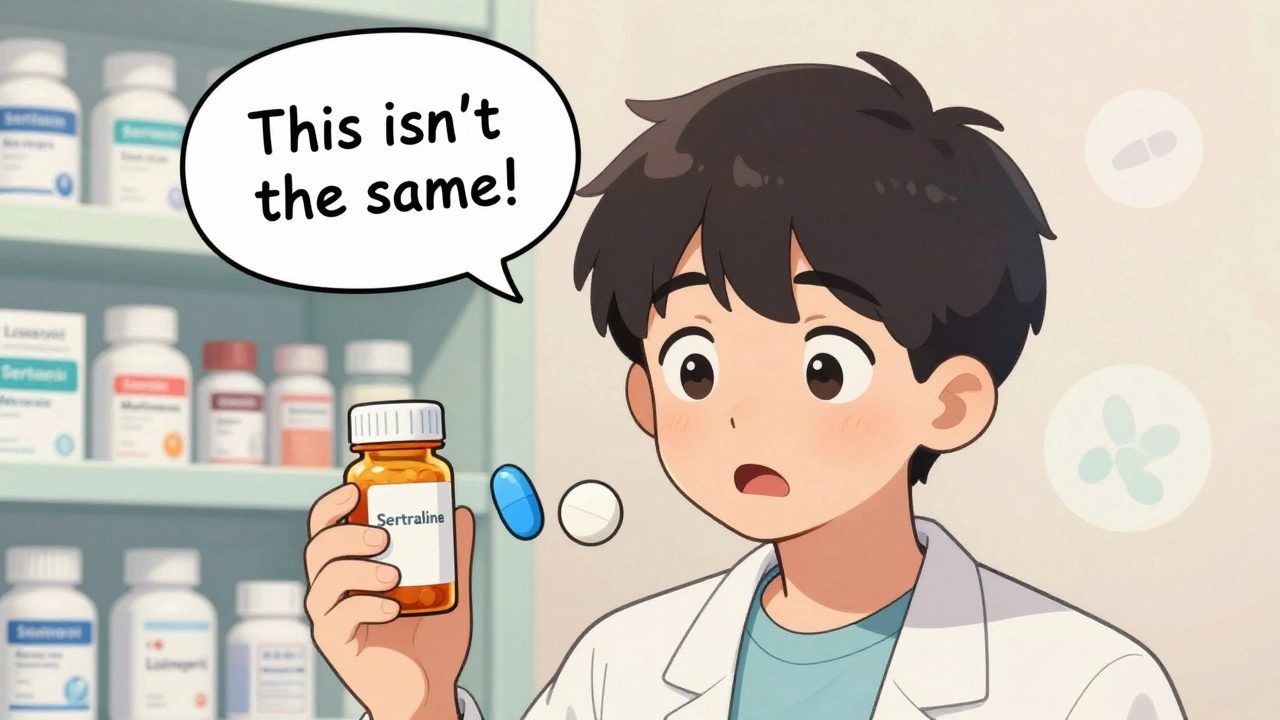
Generic Pill Appearance Changes: What You Need to Know About Safety, Legality, and Patient Risk
Generic pills can change color, shape, or size without affecting safety-but these changes cause many patients to stop taking their meds. Learn why it happens, what drugs are affected, and how to stay safe.