Generic vs Brand Name Drugs: What You Really Need to Know
When you pick up a prescription, you might see two names on the bottle: one you recognize from TV ads, and another that looks like a random string of letters. The first is the brand name drug, a medication originally developed and marketed by a pharmaceutical company under a patent. Also known as proprietary drug, it’s the version you first hear about from your doctor or see advertised. The second is the generic drug, a chemically identical version sold after the patent expires, often at a fraction of the price. Also known as nonproprietary drug, it’s the same active ingredient, same dosage, same way it works in your body—just without the marketing budget. So why do some people still worry? Because confusion isn’t just about labels—it’s about trust, cost, and real-world outcomes.
Here’s the truth: the FDA requires generics to meet the same strict standards as brand names. They must deliver the same amount of active ingredient into your bloodstream at the same rate. That’s called bioequivalence, the scientific proof that a generic performs the same way as the original. But here’s where it gets messy: not all generics are made the same. Some are made in the same factory as the brand name. Others come from overseas plants with different quality controls. And when you’re on a combo therapy—like cancer drugs or HIV meds—swapping one generic for another can throw off the balance. That’s why drug substitution, when a pharmacy switches your prescription without asking isn’t always harmless, especially for drugs with narrow therapeutic windows.
Cost is the biggest driver. A brand-name statin might cost $200 a month. The generic? $4. That’s why pharmacies and insurers push generics. But if you’ve ever switched and felt off—more fatigue, weird headaches, or your condition acting up—it’s not just in your head. Some people react differently to inactive ingredients: fillers, dyes, or coatings that vary between brands. It’s rare, but it happens. And when you’re managing something like epilepsy, thyroid disease, or transplant rejection, even tiny differences matter.
There’s also the issue of timing. After the first generic hits the market, others rush in. Prices drop fast—sometimes too fast. Manufacturers cut corners to stay profitable. That’s when shortages start. And when your go-to generic disappears, you’re left scrambling. The Hatch-Waxman Act, the law that lets generics enter after patents expire was meant to lower costs and increase access. But it didn’t account for how quickly markets collapse, or how fragile supply chains are.
So what should you do? Ask your pharmacist: Is this the same as last time? Is it made by the same company? If you’re on a critical medication, stick with the same generic brand if it works. Don’t let cost be the only factor. And if you notice changes in how you feel after a switch, tell your doctor. It’s not just about chemistry—it’s about your body’s response. The posts below dig into real cases: how generics saved lives, how they caused problems, and why some patients swear by one brand over another—even when the labels say they’re identical.
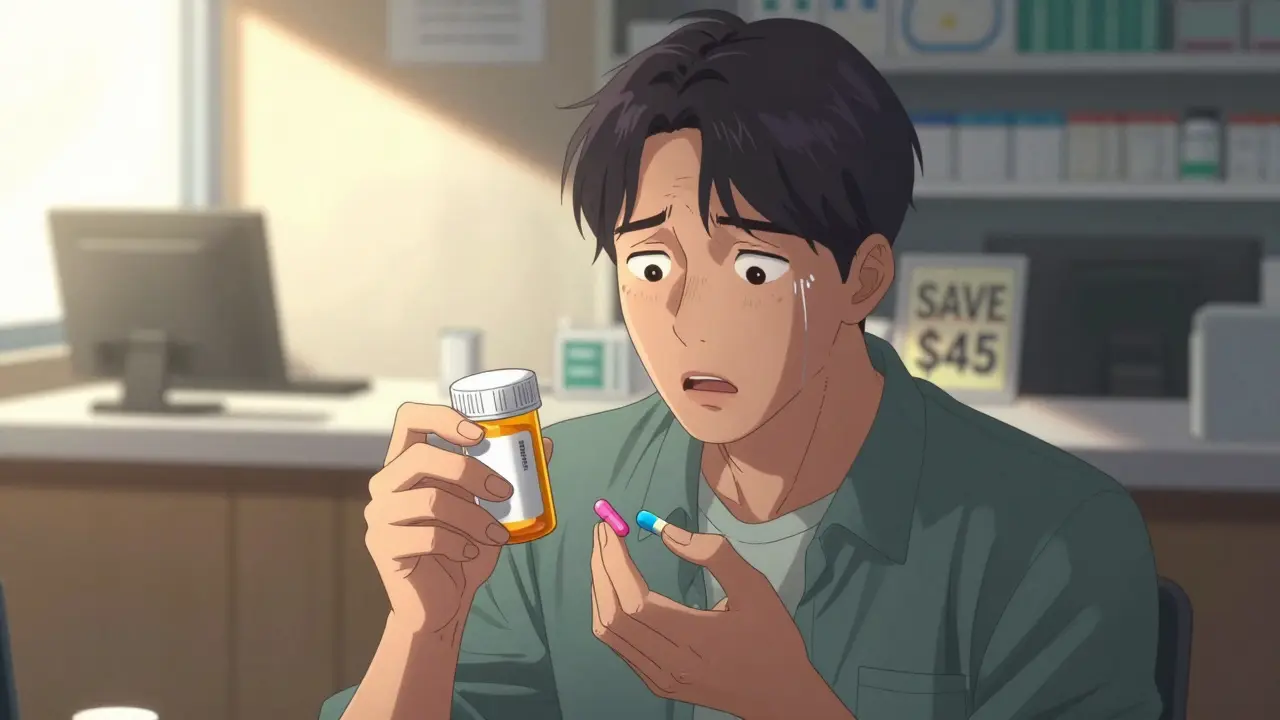
Antiseizure Medications and Generic Substitution: Risks and Best Practices
Generic antiseizure medications can save money, but for narrow therapeutic index drugs like lamotrigine and carbamazepine, even small changes in absorption can trigger seizures. Learn the risks, who’s most vulnerable, and how to protect yourself.
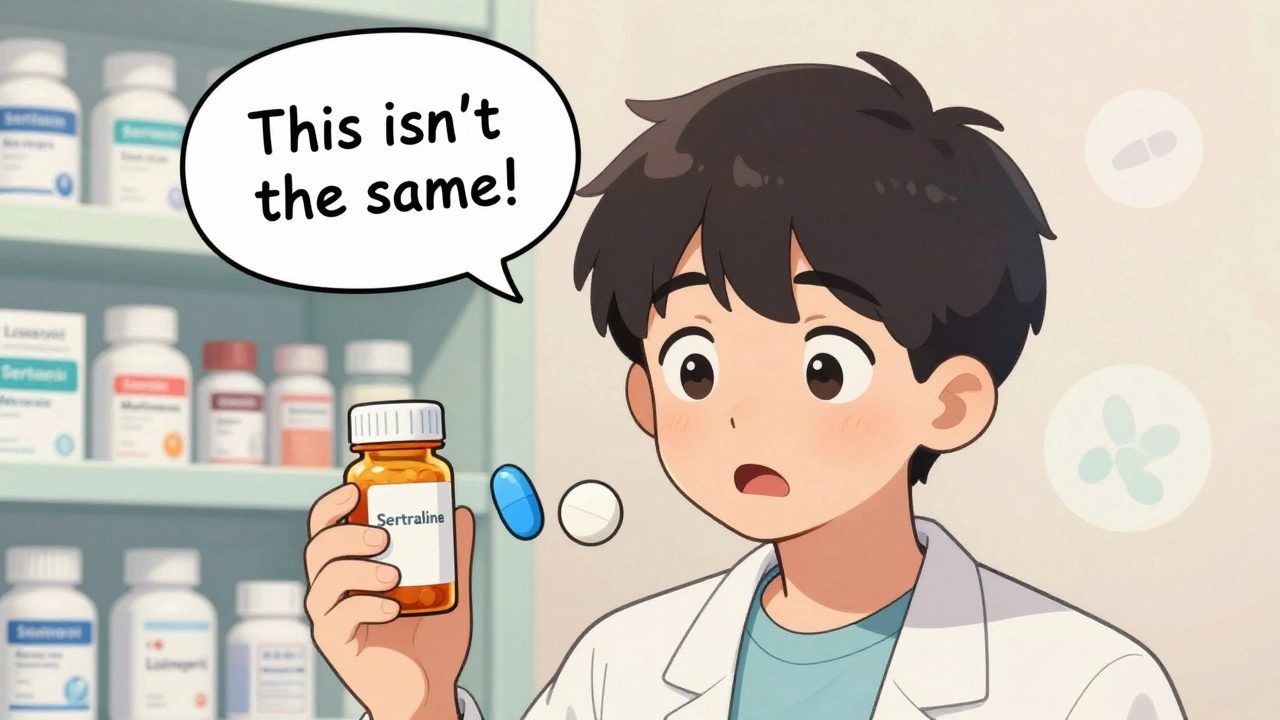
Generic Pill Appearance Changes: What You Need to Know About Safety, Legality, and Patient Risk
Generic pills can change color, shape, or size without affecting safety-but these changes cause many patients to stop taking their meds. Learn why it happens, what drugs are affected, and how to stay safe.