High-Alert Medications: What They Are, Why They Matter, and How to Stay Safe
When a drug is labeled a high-alert medication, a drug with a high risk of causing significant patient harm when used incorrectly. Also known as dangerous drugs, these aren’t necessarily the most powerful — but they’re the ones that can turn a simple mistake into a life-threatening event. Think insulin, heparin, opioids, or IV potassium. One wrong dose, one misread label, one missed interaction — and the consequences can be irreversible. Hospitals and pharmacies track these drugs closely because the margin for error is razor-thin.
What makes a medication high-alert? It’s not just about strength. It’s about how easily things go wrong. Drug interactions, when two or more medications react in harmful ways are a big part of it. For example, systemic antifungals like ketoconazole can spike statin levels, leading to muscle breakdown. Or when sedatives and opioids are mixed, breathing can slow to a stop. Adverse drug reactions, unexpected and harmful responses to a drug at normal doses often show up in these cases — and they’re not always obvious until it’s too late. That’s why tools like the Naranjo Scale exist: to help clinicians figure out if a reaction was really caused by the drug, or something else.
These aren’t just hospital problems. People taking multiple meds at home are at risk too. A simple mix of heartburn pills and blood thinners, or calcium supplements and thyroid meds, can quietly cause harm over time. That’s why creating a personal medication safety checklist, a simple list of all drugs, doses, and known interactions to review regularly is one of the smartest things you can do. It’s not about being paranoid — it’s about being prepared. You wouldn’t drive without checking your brakes. Why risk your health with meds you don’t fully understand?
The posts below cover real-world examples of high-alert situations: how statins can raise blood sugar, why certain antifungals are deadly with immunosuppressants, how corticosteroid tapers can trigger withdrawal, and why even something as simple as calcium supplements needs careful handling. You’ll find practical guides on spotting risky combinations, understanding expiration dates, managing side effects, and asking the right questions before taking a new pill. These aren’t theoretical warnings — they’re lessons from real cases where things went wrong, and how to make sure they don’t happen to you.
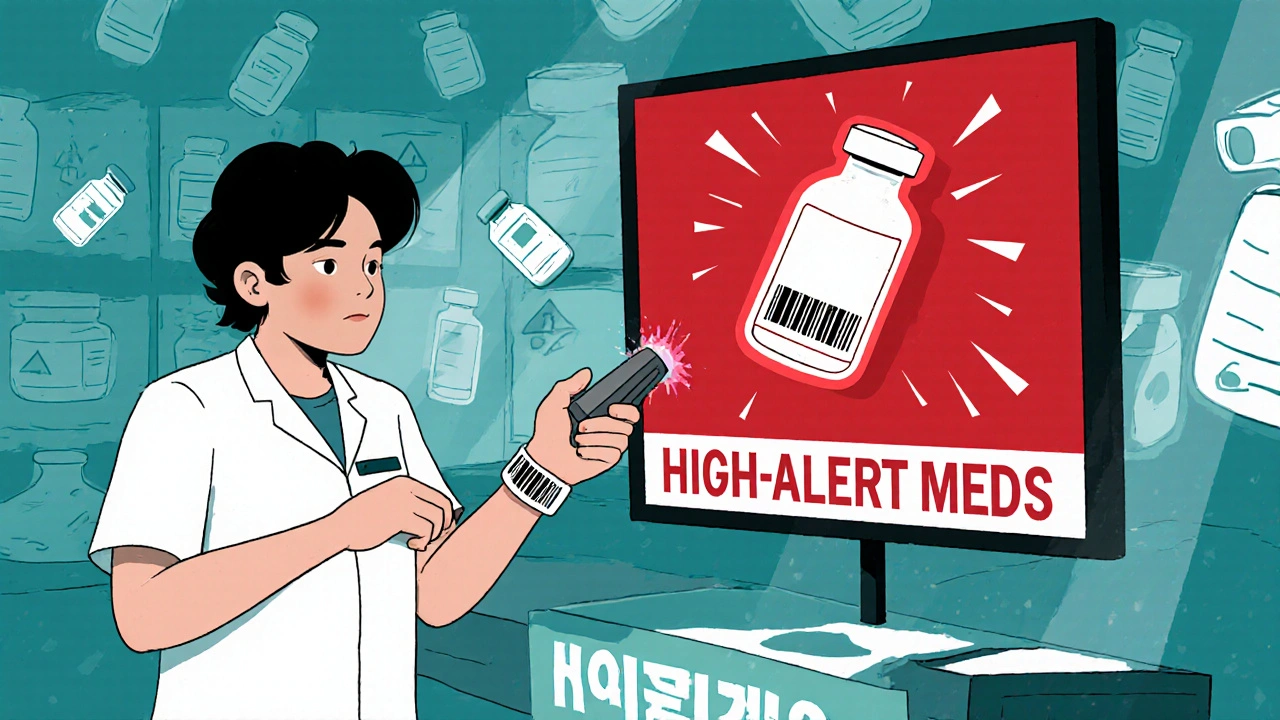
Patient Safety Goals in Medication Dispensing and Pharmacy Practice: How to Prevent Errors and Save Lives
Discover the real-world safety goals that prevent medication errors in pharmacies and hospitals. Learn how barcode scanning, high-alert drug controls, and system redesign-not just training-save lives.