Hospice Care: What It Is, Who It Helps, and How It Works
When someone is facing a terminal illness, hospice care, a type of compassionate care focused on comfort rather than cure for people with six months or less to live. Also known as end-of-life care, it shifts the goal from fighting disease to making every remaining day as peaceful and meaningful as possible. This isn’t giving up—it’s choosing a different kind of strength.
Palliative care, a broader approach that manages symptoms and improves quality of life at any stage of serious illness. Also known as symptom-focused care, it can start alongside treatments like chemotherapy or dialysis. But hospice care is specifically for when those treatments are no longer helping, and the focus turns entirely to comfort. Hospice teams include nurses, doctors, social workers, chaplains, and volunteers who work together to manage pain, reduce anxiety, and support emotional and spiritual needs. They don’t just care for the patient—they care for the whole family.
Hospice services, a coordinated set of medical, emotional, and practical supports delivered at home, in nursing facilities, or in dedicated hospice centers. Also known as comfort-focused care teams, they handle everything from medication management and wound care to helping families understand what to expect as illness progresses. Many people worry hospice means no more help, but the opposite is true: you get more personalized attention, 24/7 access to experts, and help with daily tasks that become hard to manage alone.
Who qualifies? Anyone with a life-limiting illness where curative treatment is no longer the goal. Common conditions include advanced cancer, end-stage heart or lung disease, dementia, and ALS. A doctor must certify that life expectancy is likely six months or less if the illness follows its normal course. But hospice isn’t just for the elderly—it’s for anyone, at any age, who needs it.
Most people assume hospice is only about dying. But it’s really about living—right up until the end. It’s about being able to eat a favorite meal without nausea, hearing a grandchild’s laugh without pain interrupting, or holding a loved one’s hand without fear. It’s about dignity, not defeat.
What you’ll find in the posts below are real, practical insights from people who’ve walked this path—families who learned how to manage symptoms at home, caregivers who discovered what support services were actually available, and patients who found peace when medical treatments stopped working. These aren’t theoretical guides. They’re stories and tips from the front lines of end-of-life care.
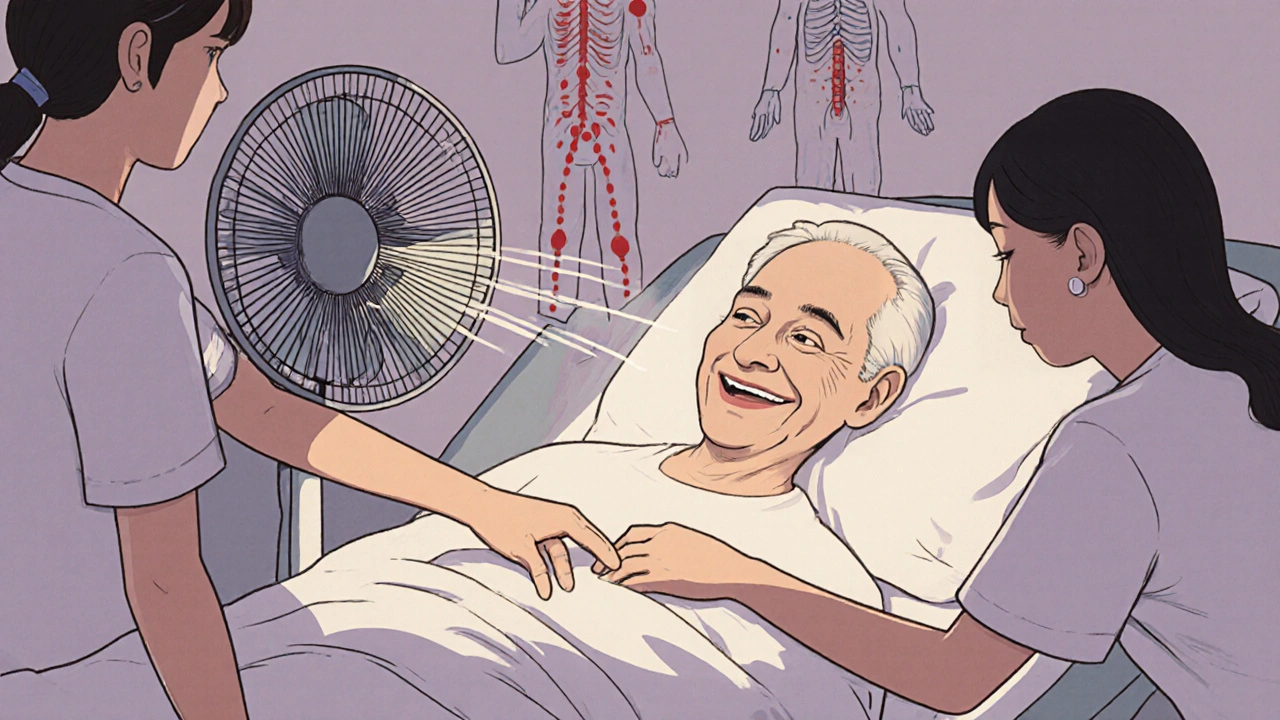
Palliative and Hospice Care: How to Balance Symptom Relief with Minimal Side Effects
Learn how palliative and hospice care balance pain relief with minimal side effects. Discover practical strategies for managing symptoms like breathlessness, delirium, and nausea while preserving dignity and quality of life.