Medication Overdose: Signs, Risks, and How to Stay Safe
When someone takes too much of a medication—intentionally or by accident—it’s called a medication overdose, a dangerous amount of a drug that overwhelms the body’s ability to process it. Also known as drug overdose, it can happen with prescription pills, over-the-counter meds, or even supplements. It’s not always about taking too many at once; sometimes, mixing drugs or ignoring warnings does the damage.
A medication overdose, a dangerous amount of a drug that overwhelms the body’s ability to process it. Also known as drug overdose, it can happen with prescription pills, over-the-counter meds, or even supplements. It’s not always about taking too many at once; sometimes, mixing drugs or ignoring warnings does the damage.
Most medication overdoses, a dangerous amount of a drug that overwhelms the body’s ability to process it. Also known as drug overdose, it can happen with prescription pills, over-the-counter meds, or even supplements. It’s not always about taking too many at once; sometimes, mixing drugs or ignoring warnings does the damage.
Most accidental overdoses, unintentional intake of a harmful drug dose, often due to confusion, mislabeling, or drug interactions. Also known as unintentional poisoning, it’s more common than you think—especially in older adults taking multiple prescriptions or people with chronic pain using opioids. The FDA warns that even small mistakes with drugs like warfarin, insulin, or sedatives can lead to serious harm. And it’s not just pills: mixing alcohol with painkillers or antidepressants can turn a normal dose into a lethal one.
Some drugs are riskier than others. Opioids like oxycodone and fentanyl are the top killers in overdose cases, but benzodiazepines, sleep aids, and even common pain relievers like acetaminophen can cause liver failure if taken in excess. You don’t need to take ten pills at once—sometimes, just doubling your daily dose over a few days is enough. That’s why understanding toxic drug interactions, harmful combinations where one drug boosts the effect of another, leading to overdose risk. Also known as drug-drug interactions, they’re behind many emergency room visits. For example, taking an antifungal like fluconazole with a statin can spike statin levels and cause muscle damage. Or mixing sedatives with muscle relaxants can slow your breathing to dangerous levels.
Recognizing the signs early saves lives. Slurred speech, extreme drowsiness, confusion, slow or shallow breathing, vomiting, or unresponsiveness aren’t just side effects—they’re red flags. If someone’s acting strangely after taking meds, don’t wait. Call emergency services immediately. Keep naloxone on hand if you or a loved one uses opioids. And always keep a list of every medication you take—including doses and why you take them. That list can be the difference between life and death when a doctor or paramedic needs to act fast.
Prevention isn’t just about being careful—it’s about being informed. Use pill organizers. Set phone reminders. Ask your pharmacist to review all your meds at least once a year. If a generic pill looks different, don’t assume it’s wrong—check with your pharmacist. Many people stop taking meds because they think the new pill isn’t the same, but that’s often what leads to relapse, then overdose. And if you’re ever unsure about a dose, call your doctor. No question is too small when your life is on the line.
Below, you’ll find real-world guides on how to spot dangerous drug interactions, understand FDA safety alerts, manage high-risk medications like opioids and immunosuppressants, and avoid common mistakes that lead to accidental overdose. These aren’t theory pieces—they’re practical tools from people who’ve seen the fallout and want to help you stay safe.
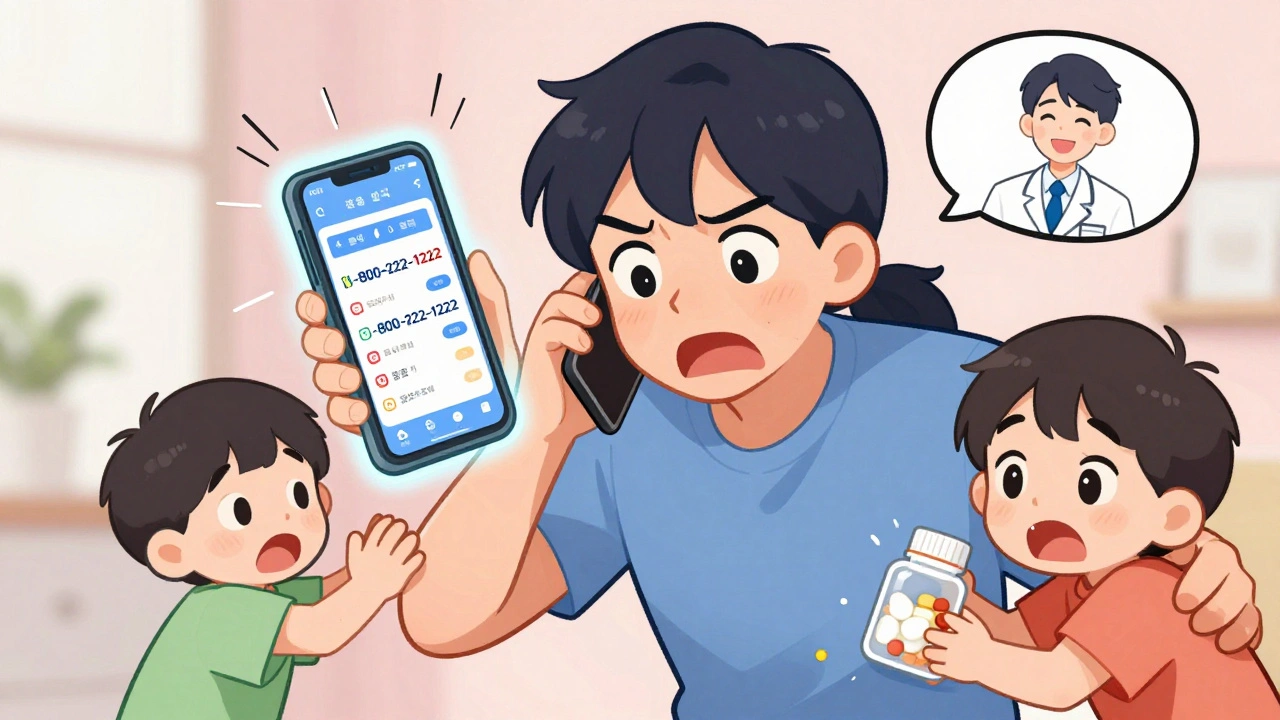
Poison Control Hotline: How It Works and What to Report About Medications
Learn how the poison control hotline works, what details to report about medications, and why calling 1-800-222-1222 can prevent ER visits and save lives. Free, expert help 24/7.