Opioid Management: Safe Use, Risks, and Alternatives
When it comes to opioid management, the systematic approach to prescribing, monitoring, and tapering opioid medications to treat pain while minimizing addiction and overdose risks. Also known as opioid prescribing guidelines, it’s not just about giving pain relief—it’s about keeping people safe long-term. Too many people start opioids for a bad back or surgery and end up stuck with dependence they didn’t expect. The CDC estimates over 70,000 overdose deaths in the U.S. each year involve opioids, and many of those cases began with a legitimate prescription. That’s why smart opioid management means thinking ahead: How long is this really needed? What are the alternatives? And what happens when the pain doesn’t go away?
Opioid dependence, a physical and psychological condition where the body adapts to the drug and withdrawal symptoms occur if use stops. Also known as opioid tolerance, it can develop even after a few weeks of daily use. This isn’t about willpower—it’s biology. Your brain changes how it handles pain signals and pleasure. That’s why stopping suddenly can cause sweating, nausea, anxiety, and muscle cramps. Proper opioid withdrawal, the process of safely reducing or stopping opioid use under medical supervision to avoid severe symptoms. Also known as detoxification, it often requires a slow taper, sometimes with medications like buprenorphine or methadone to smooth the ride. And it’s not just about quitting. It’s about replacing the habit with real support—therapy, movement, sleep, and sometimes non-opioid meds like gabapentin or antidepressants.
That’s where opioid alternatives, non-addictive or lower-risk treatments for chronic or acute pain. Also known as non-opioid pain management, they include everything from physical therapy and nerve blocks to NSAIDs, acetaminophen, and even mindfulness techniques. For many people, combining these with lifestyle changes—like walking, stretching, or reducing stress—works better than any pill. And for those already on opioids, switching to a non-opioid plan isn’t failure. It’s progress. The posts here don’t just talk about stopping opioids. They show you how to manage pain without them, how to spot early signs of trouble, and how to work with your doctor to make safer choices. You’ll find real strategies for tapering, managing side effects, and recognizing when a medication isn’t working anymore. No fluff. No scare tactics. Just what actually helps people get through this without losing their health or dignity.
If you’re managing pain for yourself or someone else, you’re not alone. And you don’t have to keep reaching for the next pill. The tools, insights, and step-by-step guides below are built for people who want to take control—without giving up relief.
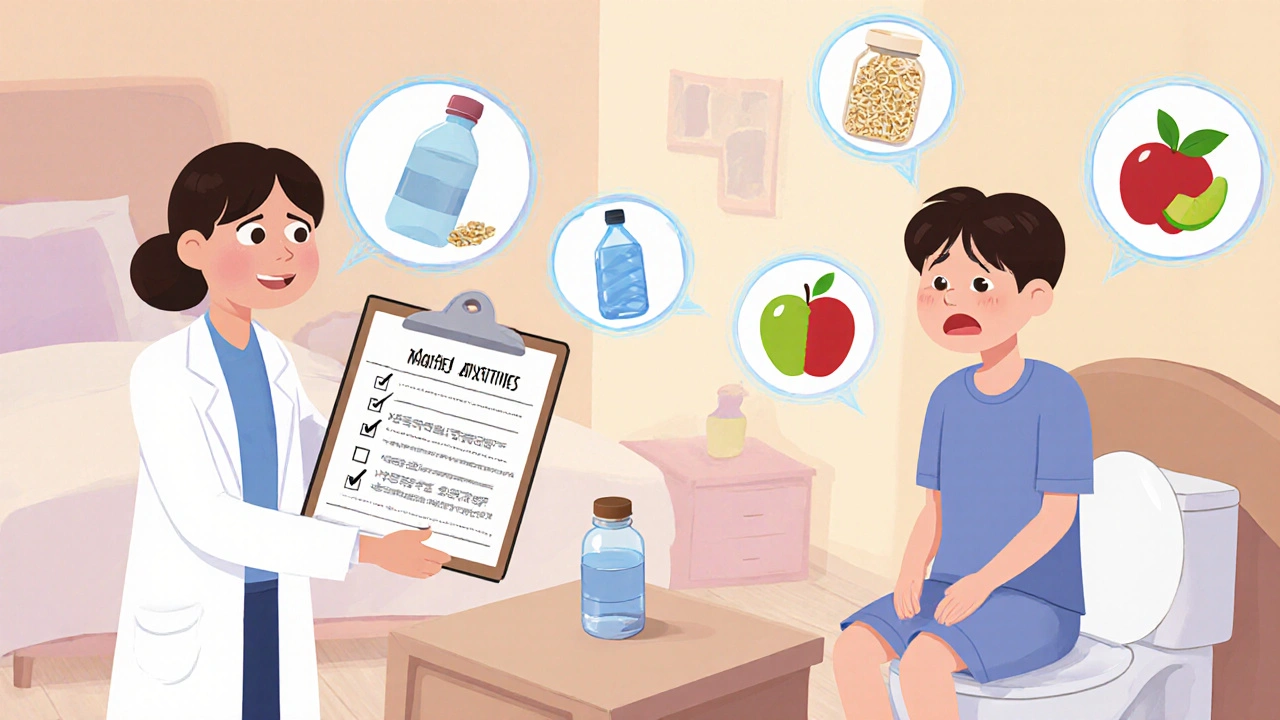
Common Opioid Side Effects: Constipation, Drowsiness, and Nausea
Opioids effectively manage severe pain but commonly cause constipation, drowsiness, and nausea. Learn why these side effects happen, how to manage them, and when to seek help for safer, more effective treatment.