Pill Color Change: Why It Happens and What It Means for Your Medication Safety
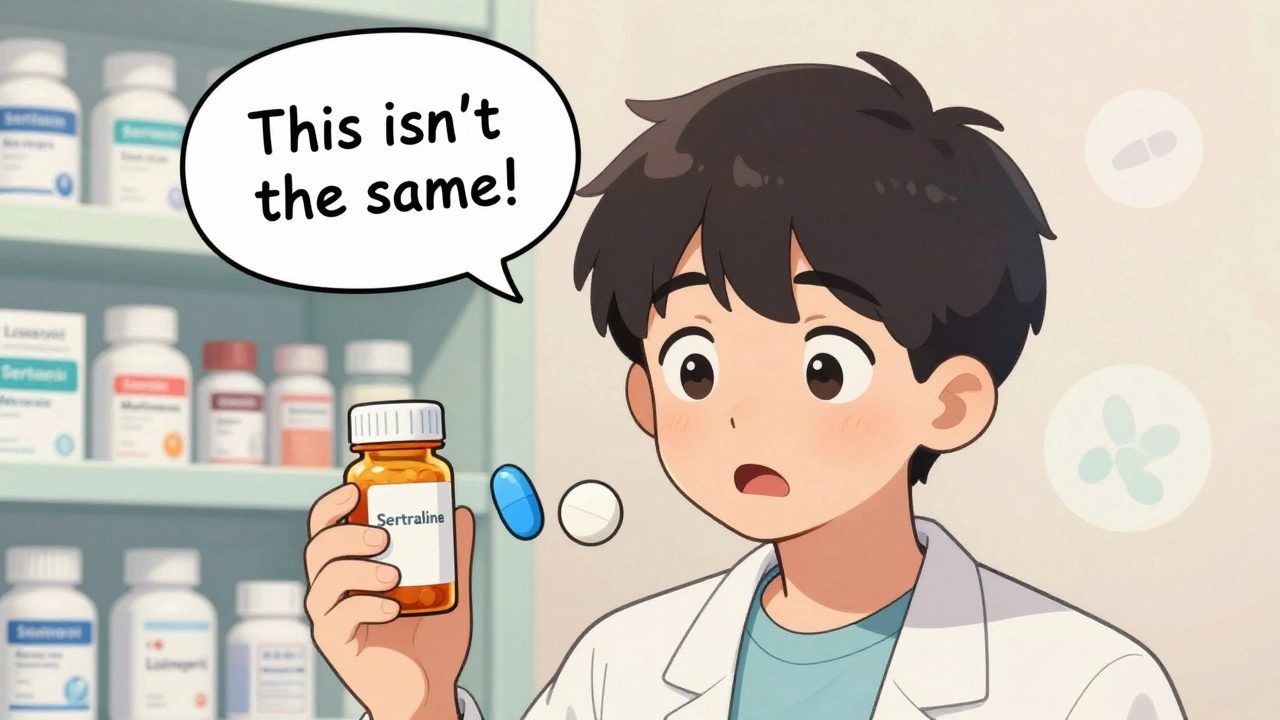
When you reach for your pill bottle and notice the tablet looks different—maybe it’s now orange instead of blue—that’s not just a visual quirk. It’s a pill color change, a visible shift in the appearance of a medication that can indicate a switch in manufacturer, formulation, or active ingredient. Also known as medication appearance change, it’s one of the most common reasons patients call their pharmacy or doctor in confusion. Most of the time, it’s completely harmless. But sometimes, it’s a red flag you can’t ignore.
Why do pill color changes, a common occurrence in generic drug substitution and batch-to-batch manufacturing variations happen? The biggest reason is generic drugs, lower-cost versions of brand-name medications that must match the original in strength and effect but can differ in color, shape, or inactive ingredients. When your insurance switches your prescription to a different generic maker, the pill might look totally different—even if it’s the exact same medicine. That’s legal. That’s normal. But if you’re not told, it’s scary. And fear leads to skipped doses.
Other times, a color shift means a drug formulation, a change in how the medicine is made—like switching from a tablet to a capsule, or adding a new coating to reduce stomach upset. This might happen because the manufacturer updated the recipe to improve stability, reduce side effects, or fix a supply issue. Rarely, it could mean a mistake—like a mislabeled batch or a wrong drug being packaged. That’s why you should always check the imprint code (the letters or numbers stamped on the pill) and compare it to the label. If the shape, color, and imprint don’t match what you’ve been taking, ask your pharmacist. Don’t assume it’s fine.
Here’s the thing: your body doesn’t care if the pill is blue or white. But your brain does. If you’ve been taking the same pill for years and suddenly it looks like a different medicine, your mind might think, "Is this safe?" That’s not paranoia—it’s a natural response to an unexpected change. And in the world of pill identification, the process of confirming a medication’s identity through color, shape, size, and imprint code, that instinct matters. A color change shouldn’t make you stop your meds—but it should make you double-check.
Look at the posts below. You’ll find real stories and expert advice on how to handle these moments—whether it’s switching from brand to generic, noticing unexpected side effects after a color shift, or learning how to spot counterfeit pills disguised as your usual medication. Some of these articles explain how manufacturers choose colors for pills, why some generics look nothing like the brand, and how to use pill identifiers to stay safe. Others show how a simple change in appearance can trigger anxiety, non-adherence, or even dangerous mistakes if not handled right.
You don’t need to memorize every pill color in your medicine cabinet. But you do need to know how to verify what you’re taking—and when to speak up. Because your health shouldn’t depend on guesswork.
Generic Pill Appearance Changes: What You Need to Know About Safety, Legality, and Patient Risk
Generic pills can change color, shape, or size without affecting safety-but these changes cause many patients to stop taking their meds. Learn why it happens, what drugs are affected, and how to stay safe.