Poison Control Hotline: What to Do When Someone Is Poisoned
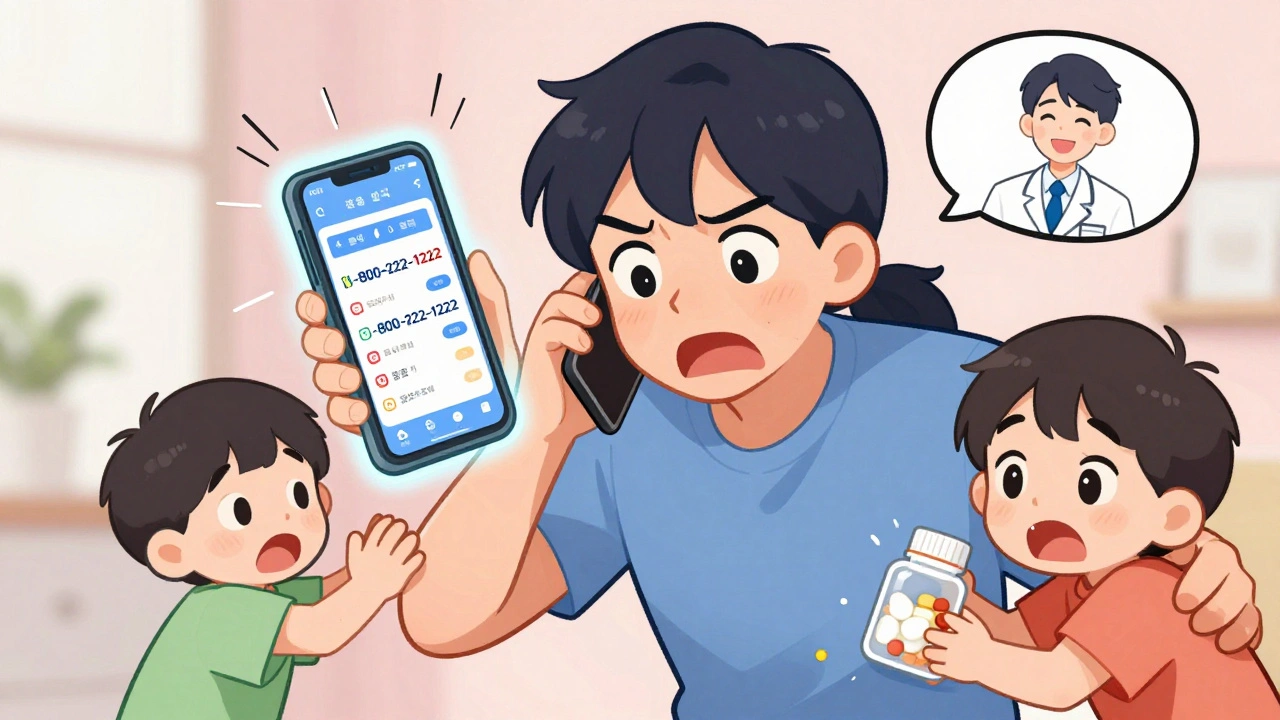
When someone swallows, breathes in, or touches something toxic, time matters. The poison control hotline, a free, 24/7 emergency service staffed by toxicology experts that guides families through poisoning incidents. Also known as Poison Help, it’s the first call you should make—not 911—unless the person is unconscious or not breathing. You don’t need to wait for symptoms. If you suspect poisoning, call immediately. It’s not a waste of their time. It’s what they’re trained for.
Most calls come from parents worried about kids swallowing cleaning products, vitamins, or meds. But adults get poisoned too—by mixing pills, inhaling fumes from chemicals, eating wild mushrooms, or even overusing topical creams. The poison exposure, any contact with a substance that can harm the body through ingestion, inhalation, skin absorption, or eye contact might seem small, but it can turn deadly fast. That’s why the toxic substances, chemicals, medications, plants, or household products that cause harm when misused or accidentally ingested you keep under your sink or in your medicine cabinet can be just as dangerous as drugs on the street.
When you call the poison control hotline, they’ll ask for the person’s age, weight, what was taken, how much, when, and how it happened. Have the container handy. Don’t guess. They don’t need you to diagnose—they need facts. Then they’ll tell you exactly what to do: rinse the skin, give water, induce vomiting (rarely), or rush to the ER. No panic. No guesswork. Just clear steps.
And here’s the thing: most poisonings are preventable. Keeping meds locked up, storing cleaners below reach, reading labels before mixing chemicals, and not assuming "natural" means safe—these simple habits cut risk dramatically. The poison prevention, actions taken to reduce accidental exposure to harmful substances in homes, workplaces, and public spaces isn’t about fear. It’s about smart habits.
You’ll find posts here that dig into real cases: how a child reacted to a grandma’s leftover pain pills, why certain antifungals can be deadly when mixed with statins, and how pill appearance changes confuse patients into stopping meds—risking worse outcomes. These aren’t theoretical. They’re stories from real households. And they all circle back to one truth: knowing what to do in a poison emergency saves lives. The poison control hotline isn’t just a number. It’s your backup plan when things go wrong.
Poison Control Hotline: How It Works and What to Report About Medications
Learn how the poison control hotline works, what details to report about medications, and why calling 1-800-222-1222 can prevent ER visits and save lives. Free, expert help 24/7.