Post-Menopausal Women: Health, Medications, and What Really Matters
When a woman goes through post-menopausal women, women who have not had a menstrual period for 12 consecutive months, typically due to natural decline in estrogen. This phase isn’t just about hot flashes—it’s a turning point for bone health, heart risk, and how your body reacts to medications. Estrogen drops, and with it, your body’s ability to hold onto calcium. That’s why osteoporosis, a condition where bones become weak and brittle, increasing fracture risk hits hard after 50. Nearly half of all women over 50 will break a bone because of it. And it’s not just calcium supplements you need to think about—it’s how they interact with other drugs you’re taking, like statins or antifungals.
Many post-menopausal women are on multiple medications: one for cholesterol, another for blood pressure, maybe a thyroid pill, and a daily vitamin. But here’s the catch—some of these can cancel each other out or make things worse. For example, calcium supplements, used to support bone density in post-menopausal women like calcium carbonate work best when taken with food, but they can block absorption of thyroid meds if taken at the same time. And if you’re on an antifungal like fluconazole for a yeast infection, that can spike levels of statins in your blood, raising your risk of muscle damage. Even something as simple as ibuprofen can hurt your kidneys more after menopause. You’re not imagining it—your body’s handling meds differently now.
Then there’s hormone therapy. Some women find relief from night sweats and mood swings with it, but others avoid it because of old fears about breast cancer or blood clots. The truth? It’s not all-or-nothing. For healthy women under 60 or within 10 years of menopause, short-term use can be safe and even protective for bones and heart. But it’s not for everyone. Your doctor needs to know your full history—your blood pressure, your family cancer risk, your current meds—before making a call.
And let’s not forget fatigue. Many post-menopausal women feel tired all the time, but no one talks about why. Is it low iron? Poor sleep from hot flashes? Or a side effect of that new antidepressant? It’s rarely just "getting older." There’s always a trigger—and fixing it often means adjusting meds, not just pushing through.
What you’ll find below isn’t theory. It’s real advice from women who’ve been there: how to pick the right calcium, when to question a prescription, how to spot hidden drug interactions, and what to ask your pharmacist before you leave the counter. These aren’t generic tips. They’re the kind of details that keep you out of the hospital and moving freely for years to come.
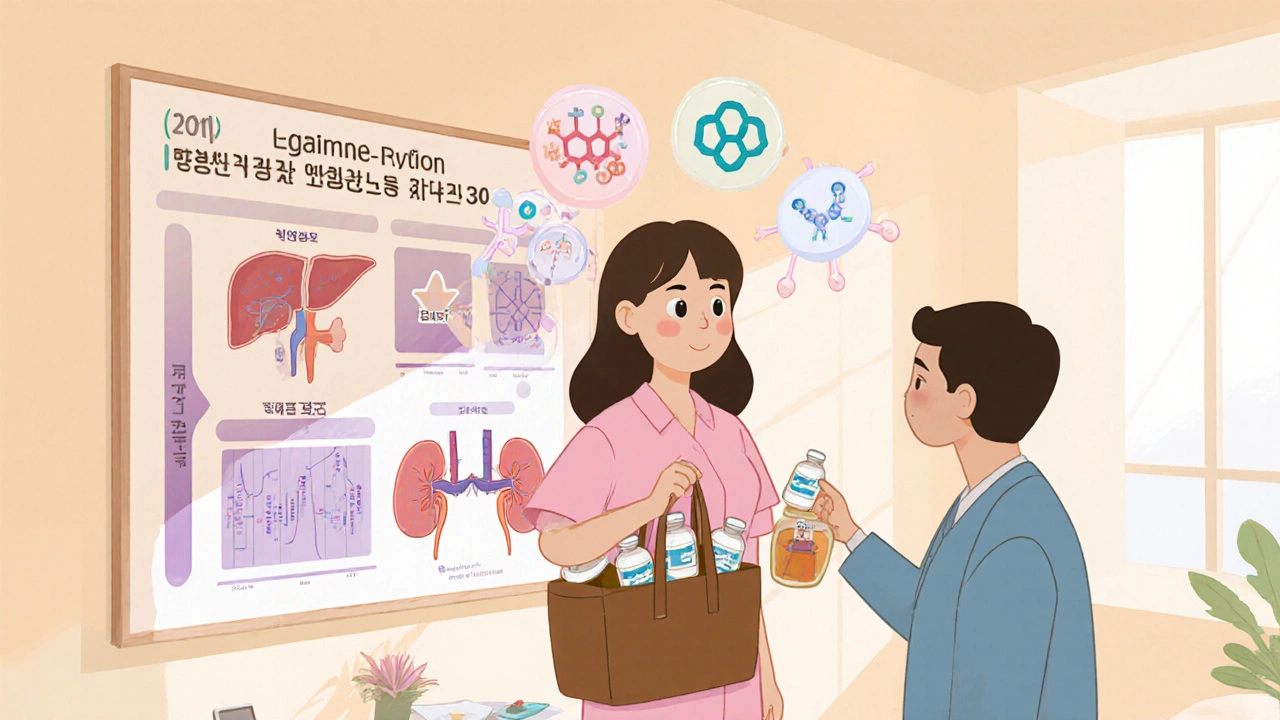
Post-Menopausal Women and Medication Changes: Safety Considerations
Post-menopausal women face unique medication risks due to hormonal shifts, polypharmacy, and age-related changes. Learn how to safely manage hormone therapy, avoid dangerous drug interactions, and reduce medication errors with practical, evidence-based strategies.