Telehealth: What It Is, How It Works, and What You Can Actually Get Online
When you think of telehealth, the use of digital technology to deliver healthcare services remotely. Also known as telemedicine, it lets you talk to a doctor, pharmacist, or specialist without leaving your couch. It’s not just video calls anymore—it’s secure messaging, remote monitoring devices, prescription refills, and even mental health therapy—all wrapped into one system that works while you’re at work, on the bus, or in bed.
Real telehealth isn’t just for colds and rashes. It’s used for managing chronic conditions like diabetes, high blood pressure, and asthma. Pharmacists now use it to review your meds, catch dangerous interactions, and adjust doses based on your symptoms. Nurses monitor heart rates and oxygen levels from home devices. And if you’re on something like warfarin or statins, telehealth visits help track your INR levels or blood sugar without daily trips to the lab. It’s especially useful for people in rural areas, those with mobility issues, or anyone who can’t take time off work.
But telehealth isn’t magic. It doesn’t replace every in-person visit. If you need an X-ray, a biopsy, or a physical exam for a new lump, you’ll still need to show up. Still, for follow-ups, refills, mental health check-ins, or figuring out if your new medication is causing side effects—telehealth saves time, money, and stress. And with more pharmacies and clinics offering it, you can get advice on generic pill changes, medication safety, or how to handle opioid side effects without waiting weeks for an appointment.
What you’ll find below are real stories and practical guides from people who’ve used telehealth to manage everything from post-menopausal hormone therapy to tacrolimus neurotoxicity. These aren’t marketing fluff—they’re experiences from patients, pharmacists, and providers who’ve seen how telehealth works when it’s done right. Some posts show how to avoid ER visits by calling poison control during a med mix-up. Others explain how to spot labeling errors in your meds or how to fly with your prescriptions without getting stopped at security. Every article here is grounded in what actually happens on the ground—not what a tech company claims it can do.
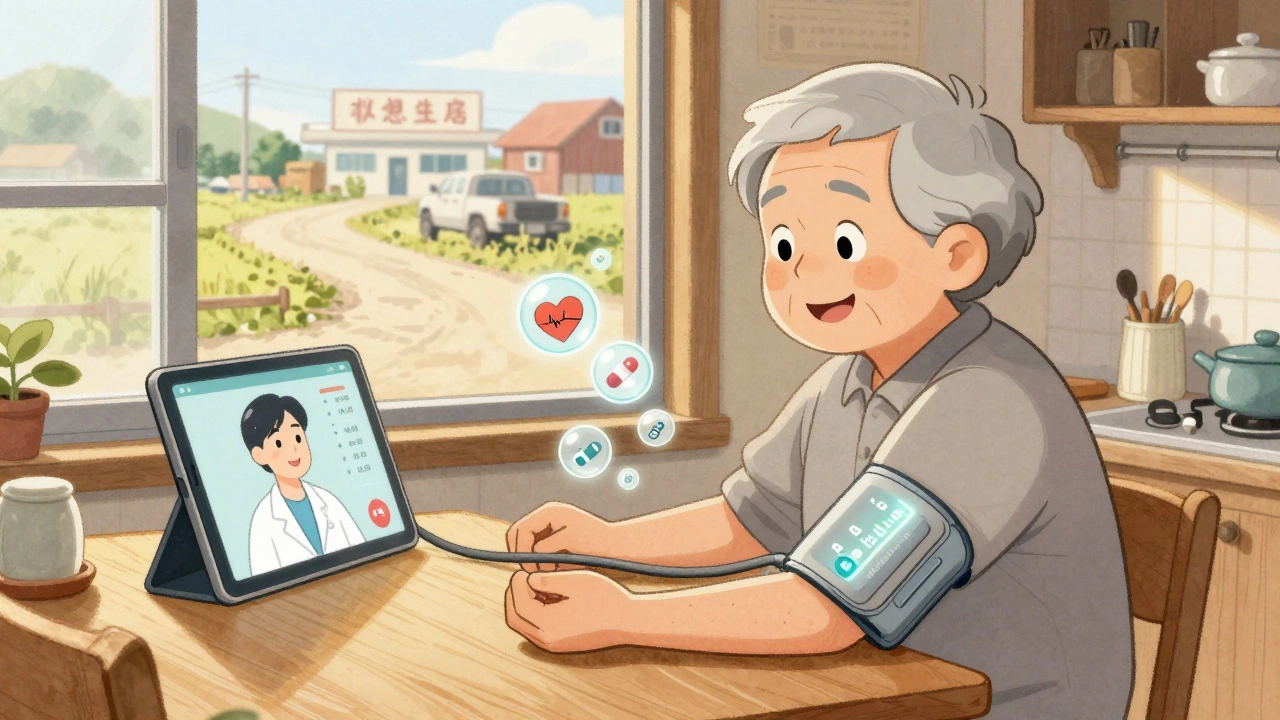
Telehealth Strategies for Monitoring Side Effects in Rural and Remote Patients
Telehealth is transforming how rural and remote patients manage medication side effects. From smart devices to pharmacist-led monitoring, discover how these strategies reduce hospitalizations and save lives in underserved areas.