Zoonotic Diseases: What They Are, How They Spread, and How to Stay Safe
When you pet your dog, handle raw chicken, or even clean out a birdcage, you’re touching a world where diseases can cross species—and zoonotic diseases, infections that spread from animals to humans. Also known as zoonosis, they’re not rare outliers. They’re the reason we worry about rabies after a bite, avoid undercooked pork, and wash our hands after gardening. More than 60% of all known infectious diseases in people come from animals, and nearly 75% of new ones do too.
These aren’t just old-school threats like plague or rabies. Today, Salmonella, a bacteria often linked to reptiles, poultry, and eggs, hits tens of thousands yearly. Lyme disease, carried by ticks that feed on deer and mice, is rising fast in the U.S. and Europe. Even your cat can pass toxoplasmosis, a parasite that’s dangerous during pregnancy. These aren’t theoretical risks—they show up in emergency rooms, clinics, and home kitchens every day.
What makes zoonotic diseases tricky is how quietly they move. You don’t need to be bitten. A splash of contaminated water, a handshake after petting a sick animal, or breathing dust from rodent droppings can be enough. Farmers, vets, pet owners, and even city dwellers who feed stray cats are at risk. And with climate change shifting animal habitats, new threats are popping up where they never lived before.
The good news? You don’t need a degree in epidemiology to stay safe. Simple habits—washing hands after handling animals, cooking meat properly, using tick repellent, and keeping pets vaccinated—cut your risk dramatically. The posts below break down real cases, explain how common medications interact with infections, and show you how to spot early signs before things get serious. You’ll find guides on antifungal risks in immunocompromised patients, how hospital infections like candidemia spread, and why some antibiotics work better than others when zoonotic bugs are involved. This isn’t theory. It’s what you need to know to protect yourself, your family, and the animals you care about.
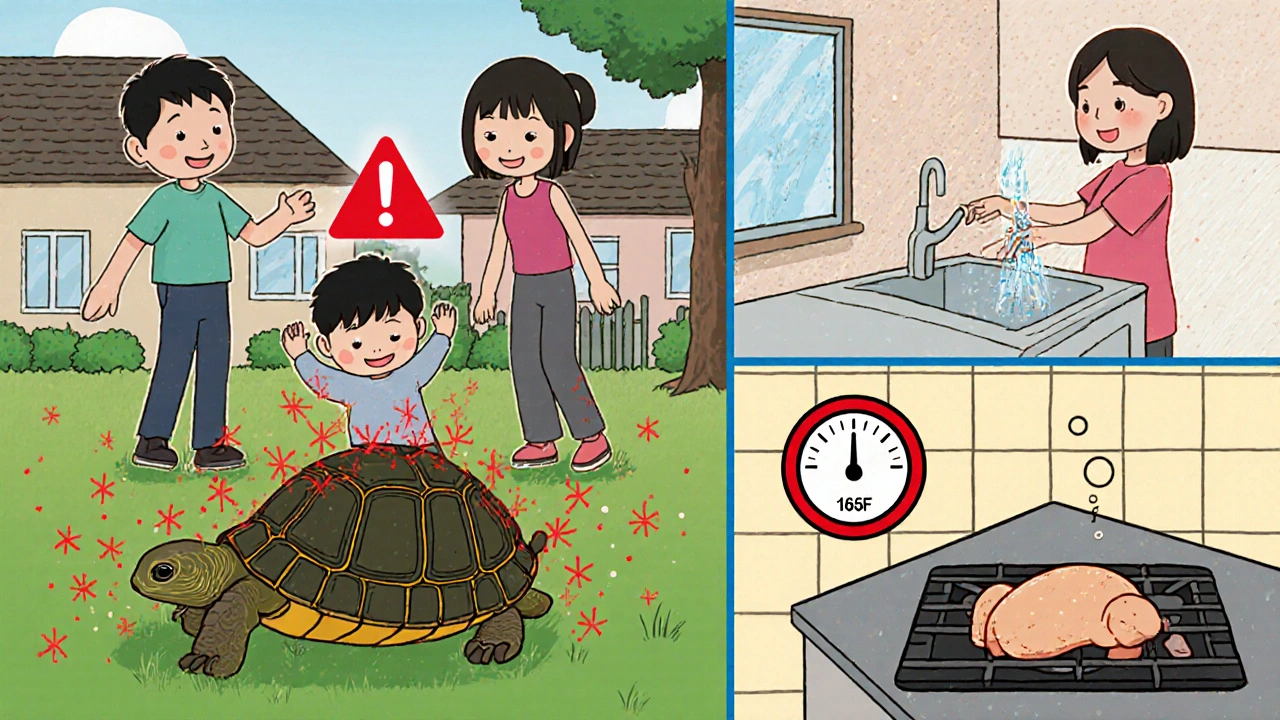
Zoonotic Diseases: How Animal-to-Human Infections Spread and How to Stop Them
Zoonotic diseases jump from animals to humans and cause millions of illnesses yearly. Learn how they spread, which ones are most common, and how to protect yourself and your family with simple, proven steps.