Anticoagulants: What They Are, How They Work, and What You Need to Know
When your blood clots too easily, it can lead to strokes, heart attacks, or pulmonary embolisms. That’s where anticoagulants, medications that slow down the blood clotting process to prevent dangerous clots. Also known as blood thinners, they don’t actually thin your blood—they just make it harder for clots to form. These drugs are prescribed for conditions like atrial fibrillation, deep vein thrombosis, or after heart valve replacements. But they’re not simple pills to take and forget. Getting the dose wrong can mean life-threatening bleeding—or no protection at all.
Not all anticoagulants are the same. warfarin, a long-used anticoagulant that requires regular blood tests to monitor its effect interacts with food, alcohol, and dozens of other medications. Meanwhile, newer options like apixaban or rivaroxaban don’t need routine lab checks but still carry risks if mixed with certain painkillers, antibiotics, or even herbal supplements. drug interactions, a major concern with anticoagulants because even small changes in metabolism can spike bleeding risk are why you need to tell every doctor, pharmacist, and even your dentist what you’re taking. A single over-the-counter pain reliever could undo months of careful management.
People on anticoagulants often worry about bleeding—bruising easily, nosebleeds, or worse. But the real danger isn’t just the bleeding itself; it’s not knowing when to act. That’s why understanding your personal risk factors matters. Age, kidney function, other meds, and even diet all play a role. If you’re on warfarin, vitamin K in leafy greens can throw off your levels. If you’re on a direct oral anticoagulant, skipping doses or taking it with grapefruit juice might make it useless. And if you’re scheduled for surgery, dental work, or even a colonoscopy, you need to know exactly when to pause your pill.
What you’ll find below isn’t a textbook on pharmacology. It’s real-world advice from people who’ve lived with these drugs, and experts who’ve seen what goes wrong. You’ll learn how to spot dangerous interactions, why generic pill changes matter more than you think, how to read FDA safety alerts without panic, and what to do if you miss a dose. There’s also guidance on flying with anticoagulants, managing side effects like fatigue or nausea, and how to keep track of everything without getting overwhelmed. These aren’t hypotheticals—they’re daily challenges for millions. And the information here is the kind that keeps you safe, not just informed.
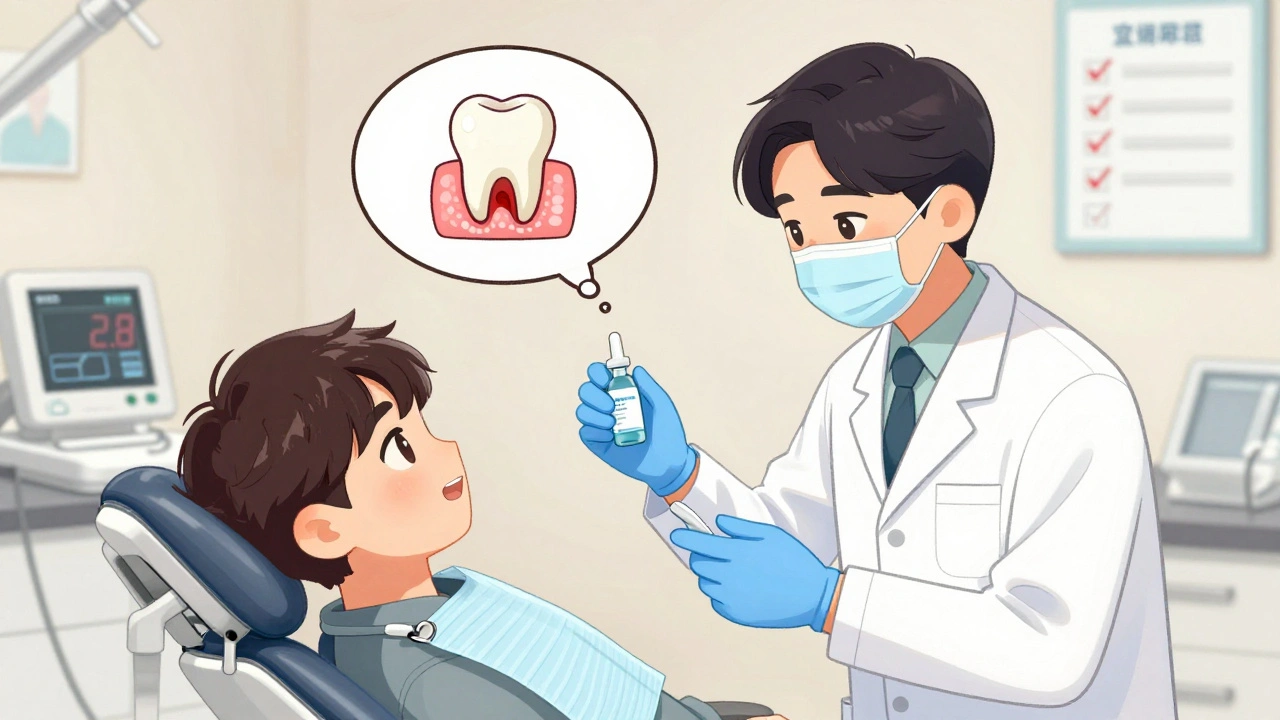
Dental Anesthesia and Anticoagulants: How to Safely Manage Bleeding Risks
Learn how to safely manage dental procedures while on blood thinners. Discover why stopping anticoagulants is often riskier than bleeding, and what dentists actually do to control bleeding without interrupting your medication.