Constipation from Opioids: Causes, Relief, and What to Do
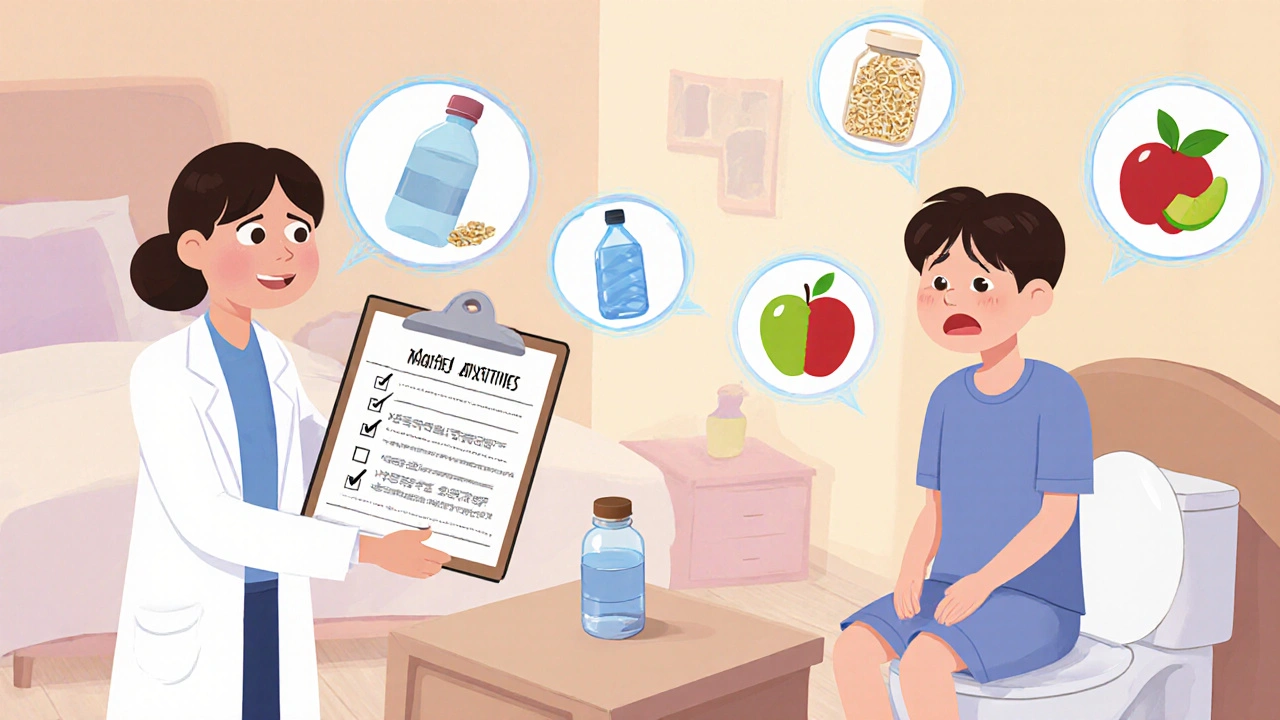
When you take opioids, a class of pain medications that include oxycodone, hydrocodone, morphine, and fentanyl. Also known as narcotics, they work by binding to receptors in your brain and spinal cord to reduce pain—but they also slow down your digestive system. That’s why constipation from opioids is so common. Up to 90% of people on long-term opioid therapy struggle with it. It’s not just uncomfortable—it can lead to bloating, nausea, and even bowel obstruction if ignored.
This isn’t just about not going to the bathroom enough. opioid-induced constipation, a direct result of how opioids affect gut motility happens because these drugs reduce the natural contractions that move stool through your intestines. They also increase fluid absorption in the colon, making stool hard and dry. Unlike regular constipation, this doesn’t usually get better with diet or fiber alone. You can’t just eat more broccoli and call it a day.
That’s where laxatives for opioids, specifically stimulant and osmotic types designed for this issue come in. Over-the-counter options like senna or polyethylene glycol often work better than traditional remedies. Some people need prescription meds like methylnaltrexone or naloxegol—drugs that block opioid effects in the gut without reducing pain relief. And yes, staying hydrated, moving around, and eating fiber still matter. But they’re support, not solutions.
Many people avoid talking about this side effect because it’s embarrassing. But it’s one of the top reasons people stop taking their pain meds. If you’re dealing with this, you’re not alone—and you don’t have to suffer silently. There are real, proven ways to manage it without giving up your treatment. Below, you’ll find practical advice from real cases: how people balanced pain control with bowel health, what worked when nothing else did, and what to ask your doctor if your current plan isn’t working.
Common Opioid Side Effects: Constipation, Drowsiness, and Nausea
Opioids effectively manage severe pain but commonly cause constipation, drowsiness, and nausea. Learn why these side effects happen, how to manage them, and when to seek help for safer, more effective treatment.