Correction Workflow in Pharmacy: How to Prevent Errors and Improve Safety
When a pharmacist catches a wrong dose before it leaves the counter, or a nurse spots a drug interaction that the computer missed, that’s not luck—it’s a correction workflow, a structured process designed to identify, stop, and fix medication errors before they reach the patient. Also known as safety check systems, it’s the quiet backbone of every safe pharmacy operation. This isn’t just about double-checking labels. It’s a chain of actions, tools, and human decisions that work together to protect people from harm.
A strong correction workflow relies on three key parts: medication safety protocols, pharmacy errors detection tools, and clear roles for staff. Think of it like a checklist that runs in the background—barcode scans, automated alerts for drug interactions, and independent verification steps. These aren’t optional. They’re required by the patient safety goals set by organizations like the Joint Commission. Every pharmacy that wants to avoid lawsuits, harm, or worse has to build this into its daily rhythm.
What makes a correction workflow work isn’t technology alone. It’s how people use it. A nurse might notice a patient looks confused after taking a new pill. A pharmacist might see that two drugs listed together can cause kidney failure. These moments don’t happen by accident. They’re the result of training, clear communication, and systems that make it easy to speak up. The best correction workflows don’t punish mistakes—they reward catching them early.
You’ll find real examples of this in action across the posts below. From how barcode scanning cuts dispensing errors, to how high-alert drug controls prevent deadly mix-ups, to how pharmacists use the Naranjo Scale to figure out if a side effect was really caused by a drug—these aren’t theory pieces. They’re field reports from clinics, hospitals, and community pharmacies where lives depend on getting it right. Some posts show how to build a personal food-and-medication checklist at home. Others dive into how generic drug substitutions can trigger unexpected reactions in cancer treatments. Every story ties back to one truth: errors happen, but they don’t have to hurt people if the system is built to stop them.
Whether you’re a pharmacist, a nurse, a caregiver, or just someone managing multiple meds, understanding how correction workflows work helps you ask the right questions. You’ll learn what checks to expect, what to watch for, and how to push back when something doesn’t feel right. This isn’t about trusting someone else to do it right—it’s about knowing how the system should work so you can help make sure it does.
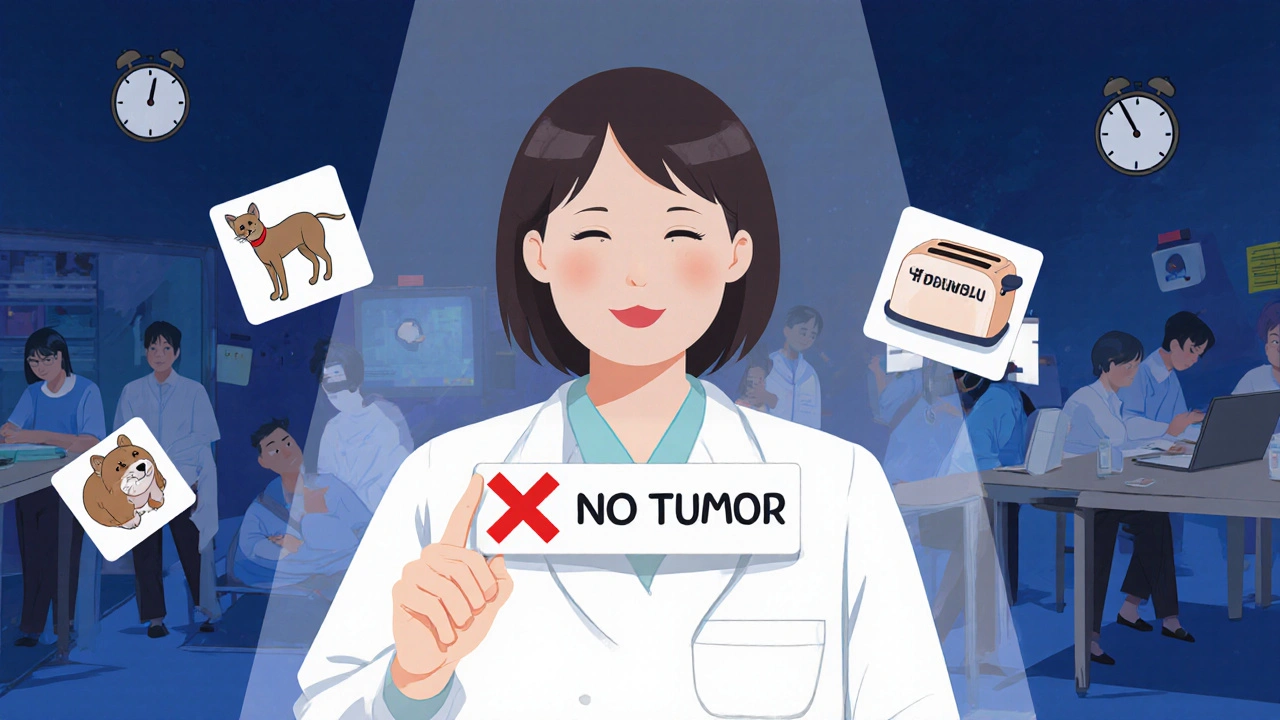
How to Recognize Labeling Errors and Ask for Corrections in Machine Learning Datasets
Learn how to spot and fix labeling errors in machine learning datasets to improve model accuracy. Discover common error types, tools like cleanlab and Argilla, and how to ask for corrections effectively.