DOACs: What They Are, How They Work, and What You Need to Know
When you hear DOACs, Direct Oral Anticoagulants are a class of medications designed to prevent dangerous blood clots without the need for frequent blood tests. Also known as novel oral anticoagulants, they’ve become the go-to choice for millions with atrial fibrillation, deep vein thrombosis, or after hip or knee surgery. Unlike warfarin, which requires regular INR checks and strict diet limits, DOACs work reliably with fixed doses—no finger pricks, no kale avoidance. That’s why over half of new anticoagulant prescriptions in the U.S. now go to one of these four: apixaban, rivaroxaban, dabigatran, or edoxaban.
What makes DOACs different isn’t just convenience—it’s safety. Studies show they cause fewer dangerous brain bleeds than warfarin, especially in older adults. But they’re not magic. Drug interactions, Certain antibiotics, antifungals, and even St. John’s wort can spike or drop DOAC levels, raising risk of clotting or bleeding. If you’re on one, your pharmacist needs to know every supplement and over-the-counter pill you take. And while DOACs don’t need routine monitoring, kidney function matters. If your kidneys slow down, your doctor may switch you or adjust the dose. Stroke prevention, For people with atrial fibrillation, DOACs reduce stroke risk by up to 60% compared to no treatment—but skipping doses or stopping cold turkey can undo all that protection.
There’s no one-size-fits-all DOAC. Some work better for people with very high kidney risk. Others are preferred if you’ve had a GI bleed before. And if you’re over 80 or weigh less than 60 kg, your doctor might pick a lower-dose version. The key is matching the drug to your body—not just your diagnosis. You’ll find posts here that break down real-world issues: what happens when generic versions change appearance, how to fly with them safely, why some patients stop taking them after a pill color shift, and how to spot dangerous interactions with statins or antifungals. These aren’t theoretical concerns—they’re daily realities for people managing DOACs at home. Whether you’re new to these meds or have been on them for years, the guides below give you the facts you need to stay safe, informed, and in control.
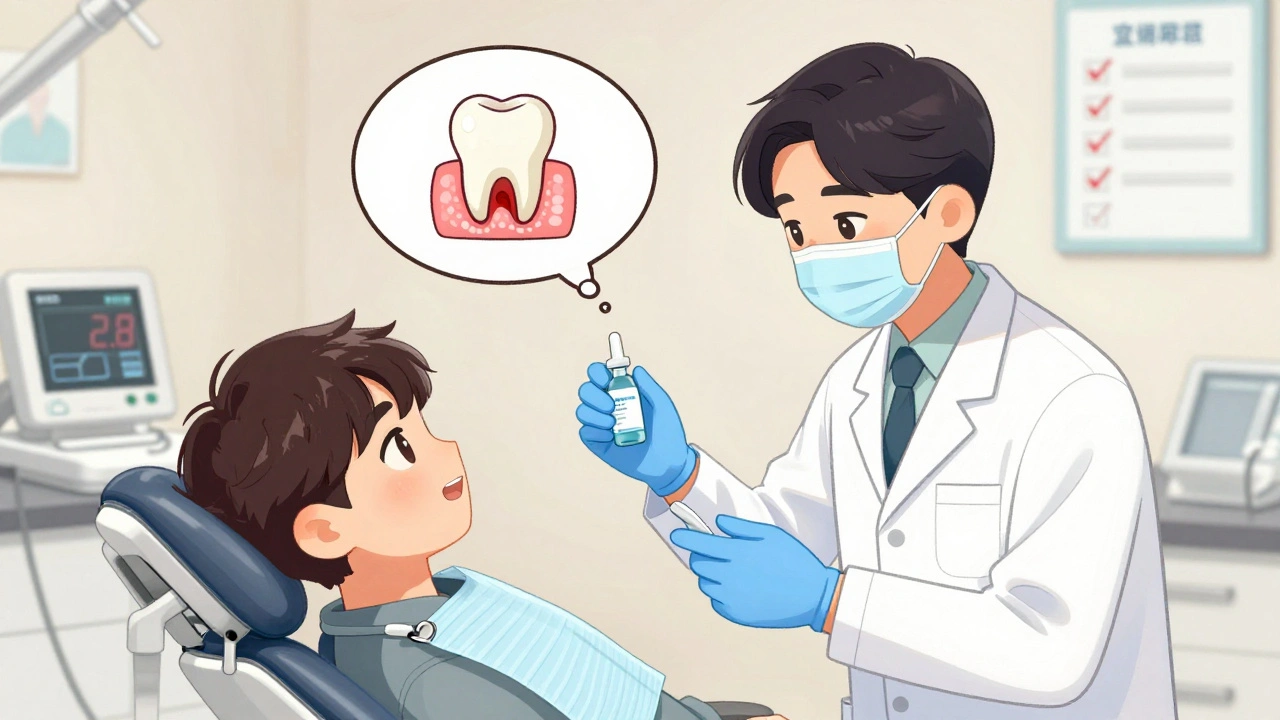
Dental Anesthesia and Anticoagulants: How to Safely Manage Bleeding Risks
Learn how to safely manage dental procedures while on blood thinners. Discover why stopping anticoagulants is often riskier than bleeding, and what dentists actually do to control bleeding without interrupting your medication.